Peptide Performance Enhancers CJC-1295 and Ipamorelin
Introduction to Peptides
The Building Blocks
Imagine proteins as complex, multi-paragraph stories. Peptides are the short, powerful sentences and phrases that make up those stories. They are fundamental messengers and builders within the body, composed of the same raw materials as proteins: amino acids.
amino acid
noun
An organic compound that serves as a building block for proteins and peptides. Each one has a central carbon atom, an amino group (–NH₂), a carboxyl group (–COOH), and a unique side chain (R group).
When two amino acids join together, they form a special link called a peptide bond. This happens through a process called a condensation reaction, where a molecule of water is removed to create the bond. One end of the chain will have a free amino group (the N-terminus) and the other will have a free carboxyl group (the C-terminus).
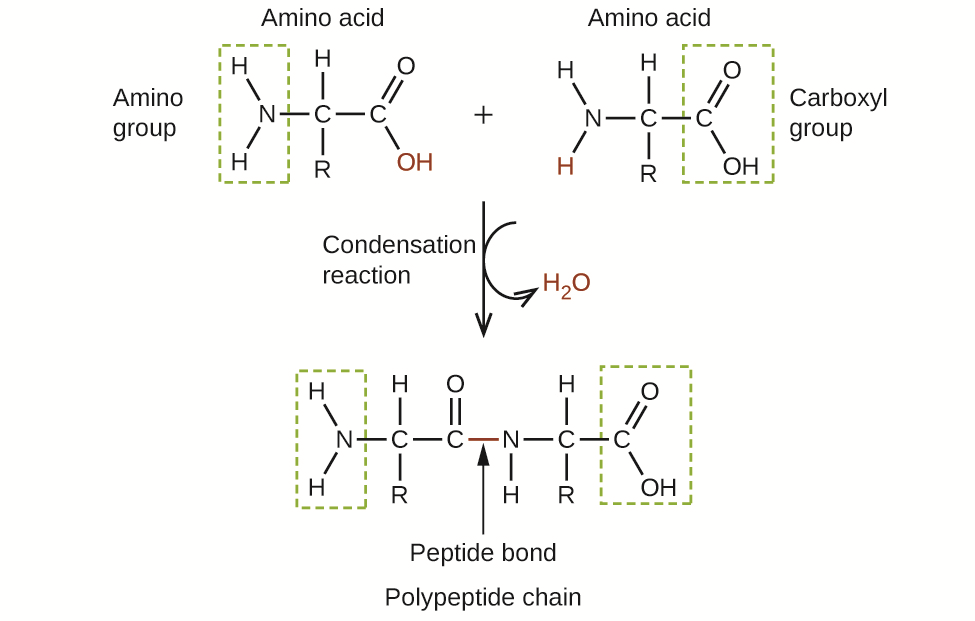
This process repeats, linking more amino acids to form a chain. The specific sequence of these amino acids is what gives each peptide its unique identity and function in the body.
Classifying Peptides by Size
Peptides are categorized based on how many amino acids they contain. The names are straightforward and simply describe the chain's length.
| Name | Number of Amino Acids |
|---|---|
| Dipeptide | 2 |
| Tripeptide | 3 |
| Oligopeptide | 2–20 |
| Polypeptide | 20–50+ |
The line between a long polypeptide and a small protein can be blurry. Generally, polypeptides are shorter and may have a simpler structure, while proteins are longer chains that fold into complex, specific three-dimensional shapes to perform their functions.
The Many Jobs of Peptides
Despite their simple structure, peptides are incredibly versatile. They act as precise signaling molecules, carrying messages that regulate a vast array of bodily functions.
Peptides can have such broad effects because they act as circulating hormones, neurotransmitters, and local regulators, playing a fundamental role in human development, reproduction, physiology, and behavior.
Here are a few of their key roles:
- Hormones: Many of the body's most important hormones are peptides. Insulin, which regulates blood sugar, and glucagon are classic examples. They travel through the bloodstream to deliver instructions to distant cells.
- Neurotransmitters: Some peptides, like endorphins, function as neurotransmitters, transmitting signals across synapses in the nervous system to influence pain, mood, and behavior.
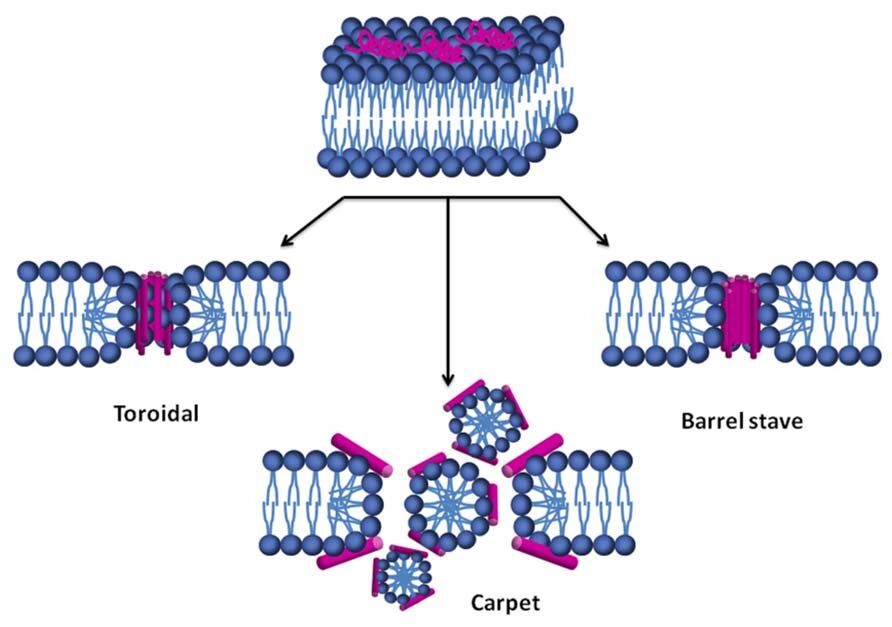
- Immune Response: Antimicrobial peptides (AMPs) are part of the body's first line of defense, directly attacking and destroying invading pathogens like bacteria and fungi.
- Cellular Communication: Peptides can act locally, signaling between nearby cells to coordinate activities like tissue repair, inflammation, and cell growth.
A Cycle of Creation and Renewal
The body is constantly building and breaking down peptides to meet its needs. This dynamic cycle ensures that signaling molecules are present only when required.
Synthesis occurs in our cells, directed by our DNA. The genetic code for a peptide is first transcribed from DNA into messenger RNA (mRNA). This mRNA molecule then travels to a ribosome, the cell's protein-building machinery. Here, the mRNA's instructions are read, and the correct amino acids are assembled in sequence to create the peptide chain.
Degradation, on the other hand, is the process of breaking peptides down into their constituent amino acids. This is carried out by enzymes called peptidases or proteases. This breakdown is crucial. It deactivates the peptide's signal, preventing it from acting for too long. The resulting free amino acids can then be recycled to build new peptides and proteins.
This constant turnover allows the body to precisely control its internal communication, responding quickly to changing needs.
Let's check your understanding of these fundamental concepts.
What type of chemical reaction is responsible for forming the peptide bond that links two amino acids together?
Every peptide chain has a distinct beginning and end. What are these two ends called?
Understanding what peptides are and how they work is the first step in exploring their diverse roles in health and medicine.