Pennsylvania Falconer Exam Prep
Introduction to Falconry
A Living History
Falconry is not just a sport; it's a living tradition with roots stretching back thousands of years. Originating as a method of hunting for food, it's believed to have started in Mesopotamia or the steppes of Central Asia around 2000 B.C. From there, it spread across the world, becoming deeply woven into the cultures of the Middle East, Asia, and Europe.
In medieval Europe, falconry reached its zenith, becoming a status symbol for nobility. The type of bird a person could fly was strictly dictated by their rank. A king might fly a gyrfalcon, while a servant was limited to a kestrel. This wasn't just about hunting; it was about power, prestige, and a sophisticated understanding of the natural world.
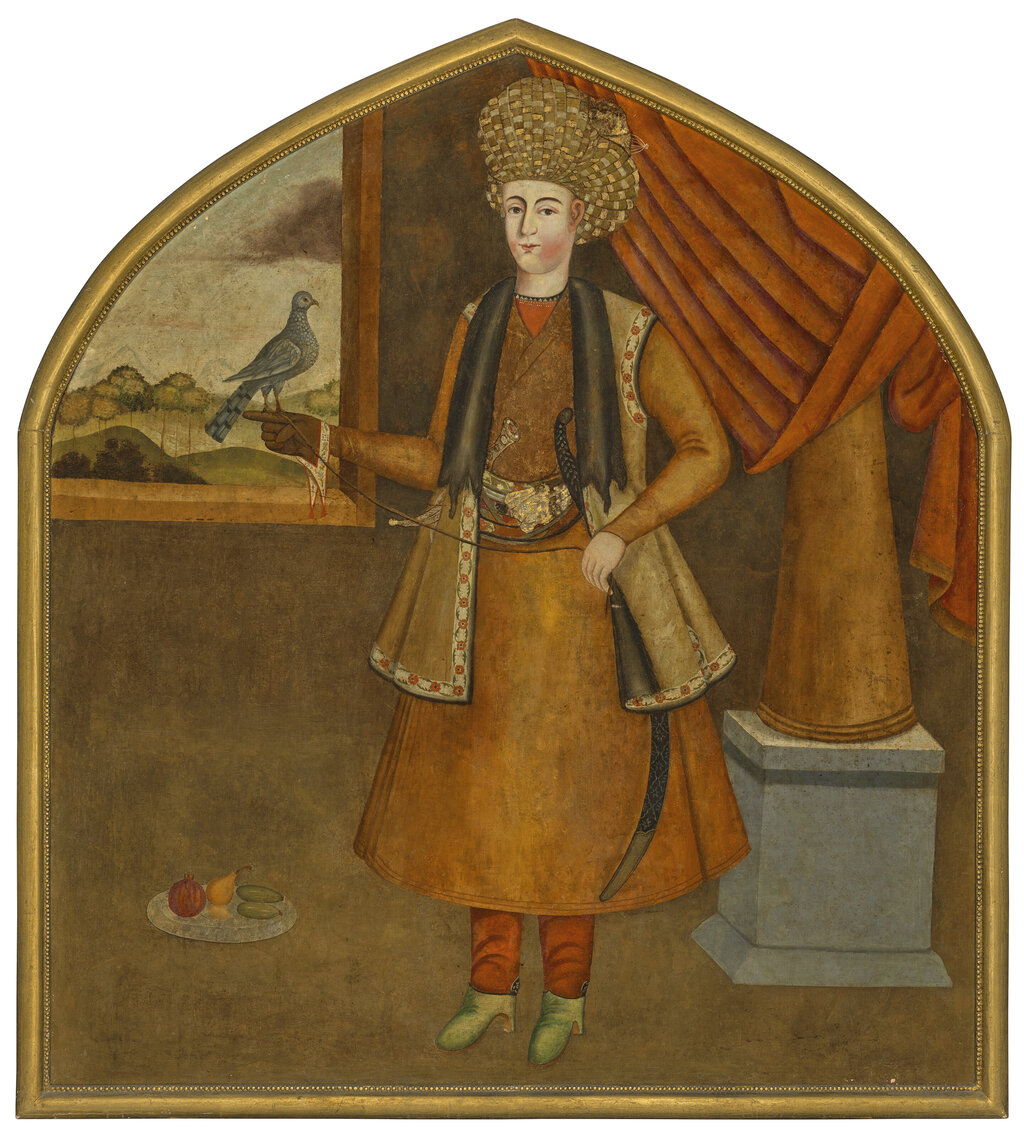
While the invention of firearms reduced the need for falcons in hunting, the art was kept alive by dedicated enthusiasts. They preserved the ancient techniques, passing them down through generations and ensuring this unique partnership between human and bird would not be lost to time.
The Modern Falconer's Role
Today, falconry is rarely about putting food on the table. Instead, its significance has shifted toward conservation, education, and a profound connection with wildlife. Modern falconers are key partners in conservation efforts. By working closely with raptors, they contribute valuable knowledge about bird health, behavior, and biology. Many also participate in captive breeding programs that help re-establish threatened or endangered species.
A falconer's primary role is to be a dedicated caretaker and trainer. This is a demanding, full-time commitment. The relationship is built on trust, which is earned through daily care, training, and flying. The goal is to train a wild bird to hunt cooperatively with a human, a process that requires immense patience, skill, and empathy.
falconer
noun
A person who keeps, trains, or hunts with falcons, hawks, eagles, or owls.
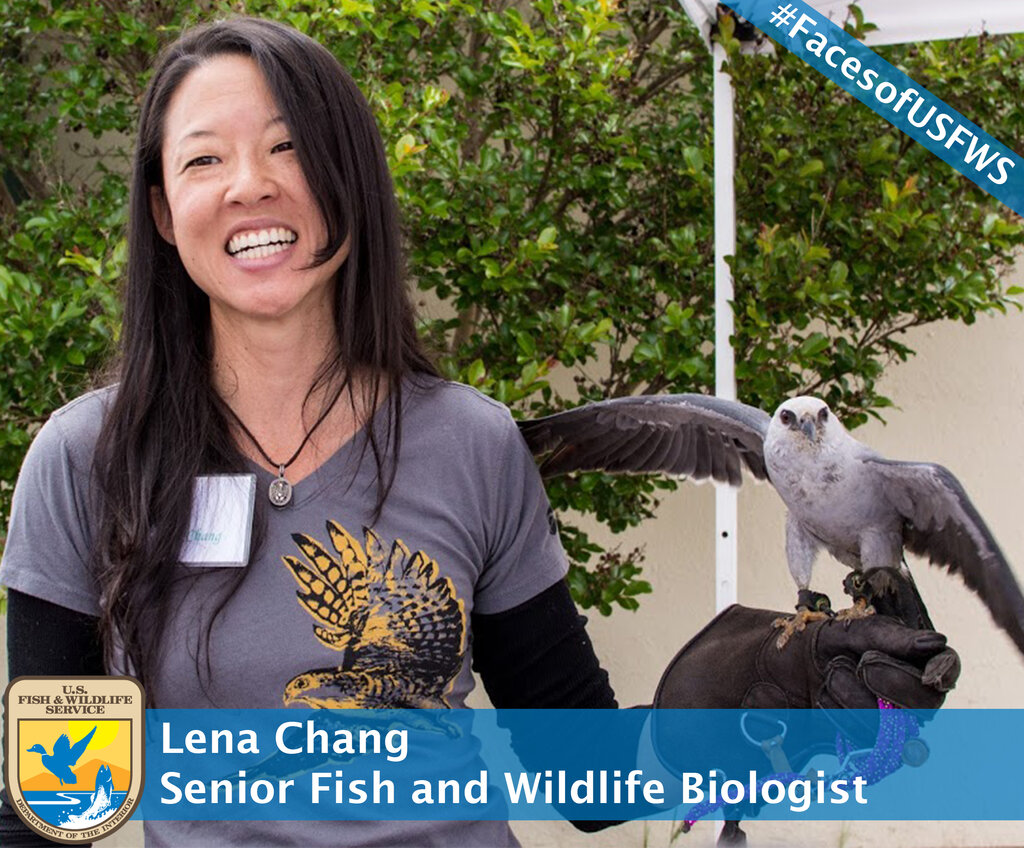
Falconers are also educators. Through demonstrations and outreach, they give the public a rare, up-close look at birds of prey, fostering a greater appreciation for these magnificent animals and the wild places they inhabit.
A Pact of Trust
Ethics are the bedrock of modern falconry. Every decision a falconer makes must prioritize the health and well-being of the bird. This guiding principle shapes every aspect of the practice, from housing and diet to training and hunting.
A raptor in a falconer's care must be kept in a safe, clean, and secure environment called a mews. Its diet must be carefully managed to maintain peak physical condition. Training is never based on punishment or force; it's a partnership built on positive reinforcement and the bird's own natural instincts. The raptor is not a pet. It is a wild animal that chooses to return to the falconer.
Falconers are stewards of a natural resource, and their responsibility extends beyond their own enjoyment of the sport.
The ultimate goal of training is to hunt. Allowing a bird of prey to chase and capture wild quarry is the truest expression of its nature. Ethical falconry demands that this is done responsibly, with deep respect for the prey and in strict compliance with all wildlife laws. The bond between falconer and bird is a serious commitment, one that honors the wild spirit of the raptor and the ancient heritage of the art itself.
Falconry is believed to have originated around 2000 B.C. in which region?
In medieval Europe, the type of bird of prey a person was permitted to fly was determined by their: