Pennsylvania Apprentice Falconer Exam Prep
Introduction to Falconry
The Art of the Hunt
Falconry is the art of hunting wild quarry in its natural state with a trained bird of prey. It's a partnership between a human and a raptor, built on a foundation of trust, patience, and a deep understanding of the natural world. This isn't about keeping a pet; it's about working with a wild animal that willingly chooses to cooperate.
Falconry
noun
The sport of hunting with falcons or other trained birds of prey.
This ancient practice has a rich history that spans continents and cultures, evolving from a method of obtaining food into a respected art form and cultural tradition.
A Practice Through the Ages
The exact origins of falconry are lost to time, but historical evidence suggests it began at least 4,000 years ago in the grasslands of Central Asia or the Middle East. From there, it spread across the globe, becoming a favored pastime of nobles and royalty in medieval Europe, Japan, and the Persian Empire. For many, it was both a practical way to hunt and a significant status symbol.
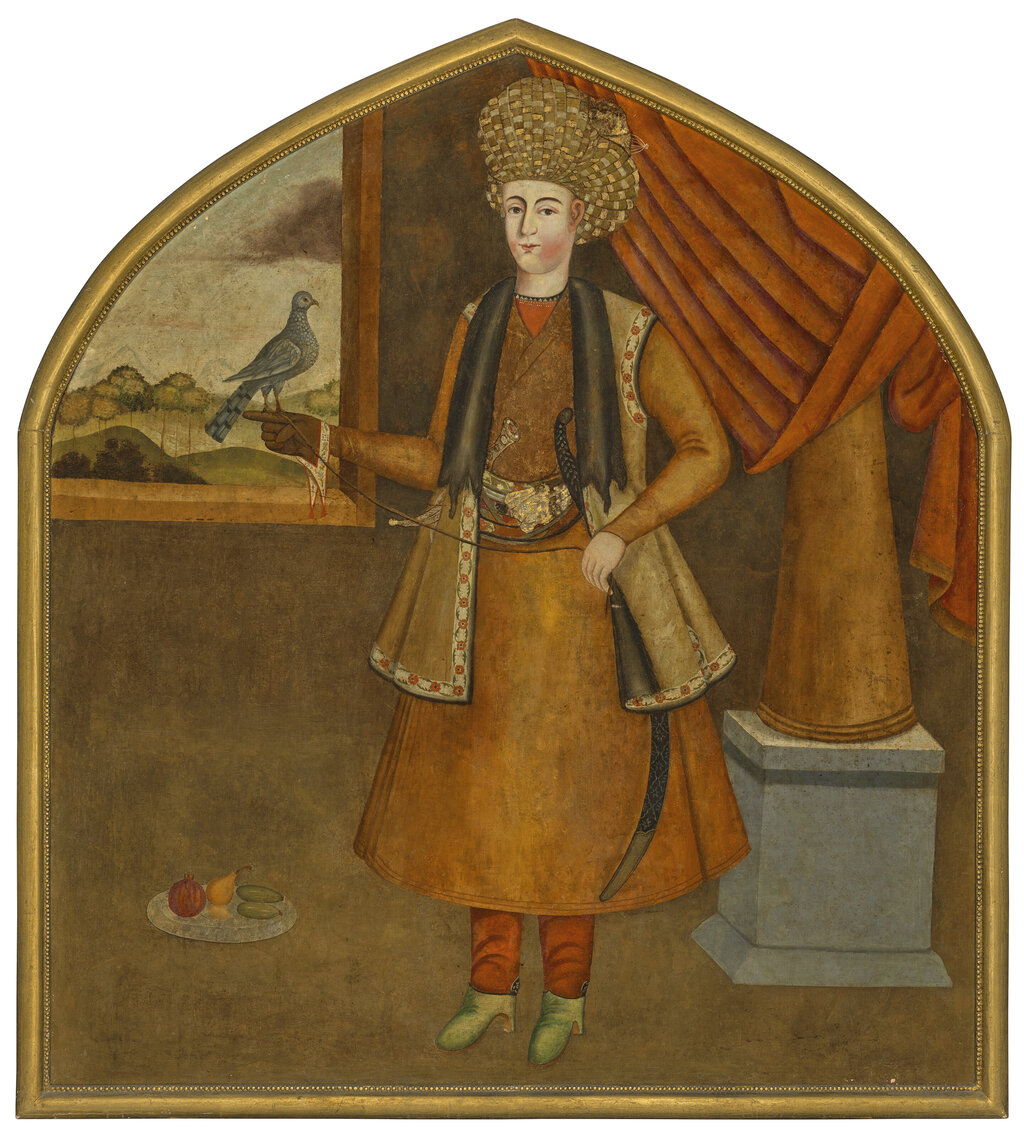
The methods and traditions were passed down through generations. While its use as a primary means of hunting has declined, falconry continues to be practiced by dedicated individuals who cherish its history and the unique connection it fosters between humans and birds of prey.
More Than a Sport
To call falconry just a sport is to miss the point. It's a living cultural heritage. In fact, UNESCO recognized it as an Intangible Cultural Heritage of Humanity, acknowledging its role in connecting people with nature and preserving traditional knowledge.
This practice demands a profound respect for the bird and the environment. Falconers become keen observers of wildlife and weather patterns. They are conservationists at heart, often playing an active role in protecting raptor populations and their habitats.
We must protect and promote these vulnerable, minority aspects and practices of falconry as precious embodiments of world cultural history.
The cultural impact is also seen in language and art. Phrases like "hoodwinked" and "under your thumb" have roots in falconry terminology, and the majestic image of a falconer with their bird has inspired artists for centuries.
The Falconer's Path
Becoming a falconer is a serious commitment that requires extensive knowledge and a specific set of skills. It's a journey that often begins with a long apprenticeship under an experienced mentor.
The core principle is not domination. It's a cooperative relationship where the bird chooses to return to the falconer after a hunt.
A prospective falconer must learn several key things:
- Raptor Husbandry: This includes providing a proper diet, housing the bird safely in structures called mews, and recognizing signs of illness or stress.
- Training Techniques: Falconers use positive reinforcement to train their birds. This involves managing the bird's weight carefully to ensure it's motivated to hunt but still healthy and strong.
- Handling and Equipment: A falconer must be skilled in handling the bird safely and using specialized equipment like gloves, hoods, and jesses (thin straps secured to the bird's legs).
- Hunting Knowledge: This goes beyond the bird itself. It means understanding the local ecosystem, the habits of prey animals, and how to work with the bird in the field.
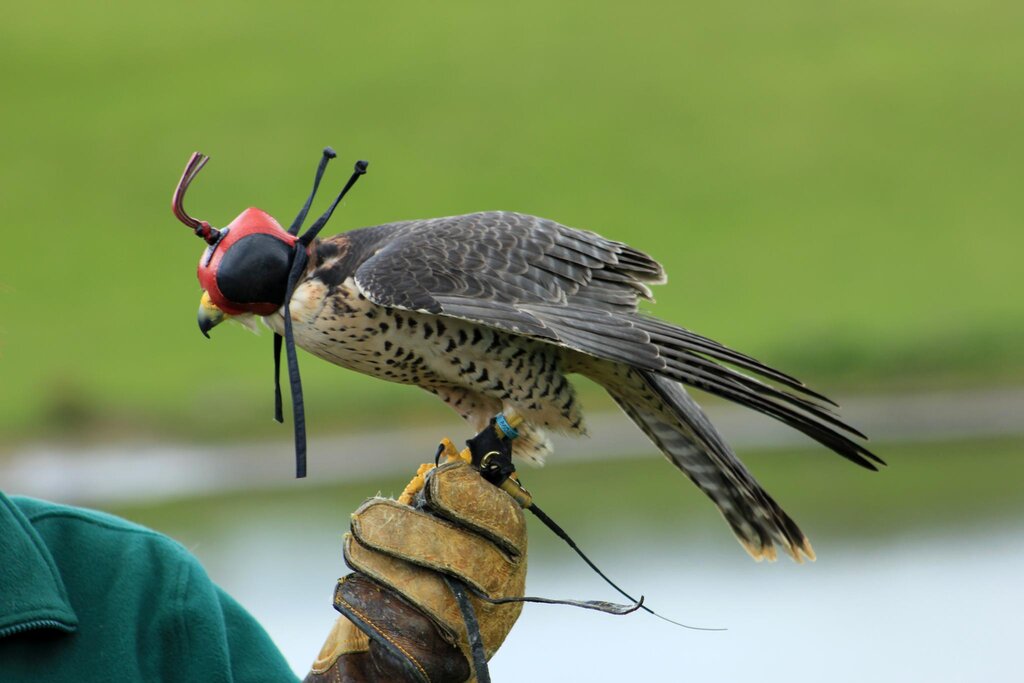
This is just an overview of a deep and complex art. The path requires patience, dedication, and a true passion for birds of prey and the natural world.