Penis Enlargement Methods Explored
Anatomy and Physiology
The Structure of the Penis
The penis is composed of three main parts: the root, which attaches it to the pelvic bone; the shaft, which is the main length of the organ; and the glans, the sensitive, cone-shaped tip. Running through the center is the urethra, a tube that carries both urine and semen out of the body.
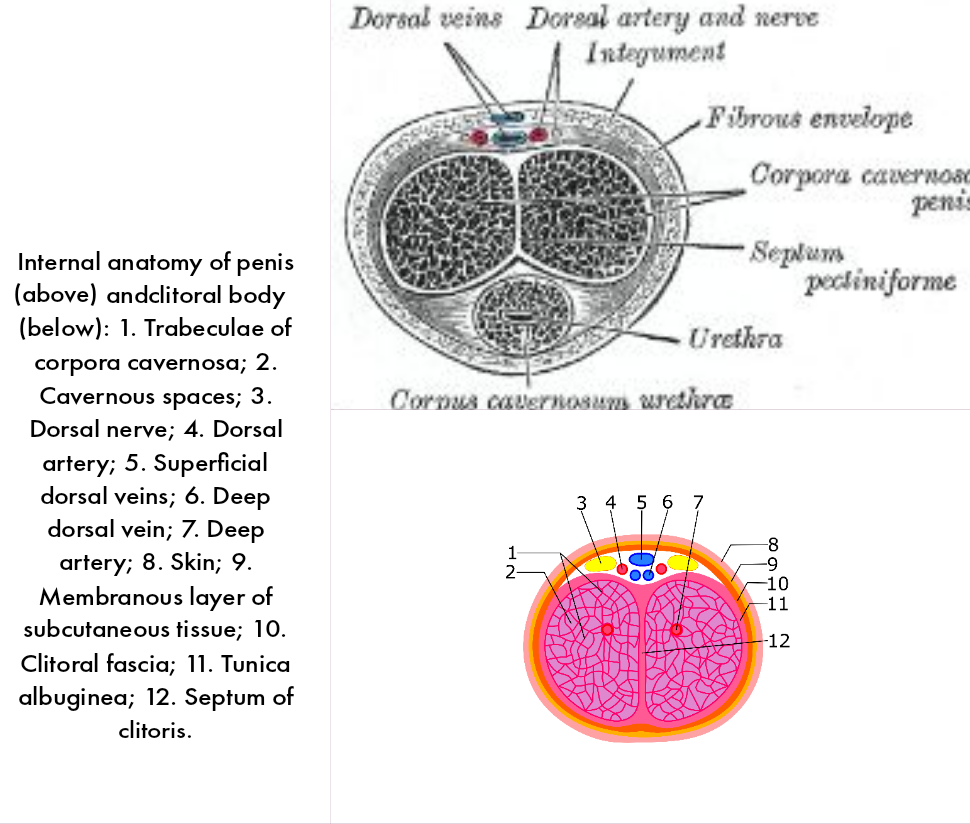
Internally, the shaft contains three cylindrical columns of spongy, erectile tissue. The two larger, upper columns are called the corpora cavernosa. The third, smaller column is the corpus spongiosum, which lies underneath the corpora cavernosa and surrounds the urethra. A strong, fibrous sheath called the tunica albuginea wraps around all three columns, acting like a flexible container.
The Mechanics of an Erection
An erection is a complex event involving the brain, nerves, and blood vessels. It begins with sexual stimulation, which can be physical or mental. This stimulation triggers signals from the brain and local nerves, specifically the parasympathetic nervous system.
These nerve signals cause the smooth muscles in the arteries of the penis to relax. As the arteries widen, blood rapidly fills the empty spaces within the corpora cavernosa. This sudden inflow of blood causes the erectile tissue to swell and expand.
A simple way to remember the nerve signal for an erection is the mnemonic: "Point and Shoot." The parasympathetic system makes the penis point (erect), while the sympathetic system is involved in the shoot (ejaculation).
As the corpora cavernosa fill with blood, they press against the tunica albuginea. This pressure squeezes the veins that normally drain blood from the penis, effectively trapping the blood inside. The combination of increased inflow and decreased outflow causes the penis to become rigid and erect.
The corpus spongiosum also fills with blood, but it remains less rigid than the corpora cavernosa. This is important because it keeps the urethra open, allowing semen to pass through during ejaculation.
When sexual stimulation ends or after ejaculation, the process reverses. The sympathetic nervous system sends signals that cause the arteries to constrict again. This reduces blood flow into the penis, while the compressed veins open up, allowing the trapped blood to flow out. As the erectile tissue drains, the penis returns to its soft, flaccid state.
Ready to test your knowledge? Let's see what you've learned about the structure and function of the penis.
What are the three main external parts of the penis?
During an erection, which two cylindrical columns of tissue fill with the most blood to create rigidity?
Understanding the basic anatomy and the neurological and vascular processes behind an erection provides a foundation for comprehending male reproductive health.