Penguin Consumption Guide
Introduction to Penguin Species
A World of Penguins
When you picture a penguin, you probably imagine a creature in a tuxedo, waddling across a vast, icy landscape. While that's true for some, the penguin family is surprisingly diverse. There are at least 18 different species, and they vary greatly in size, appearance, and behavior.
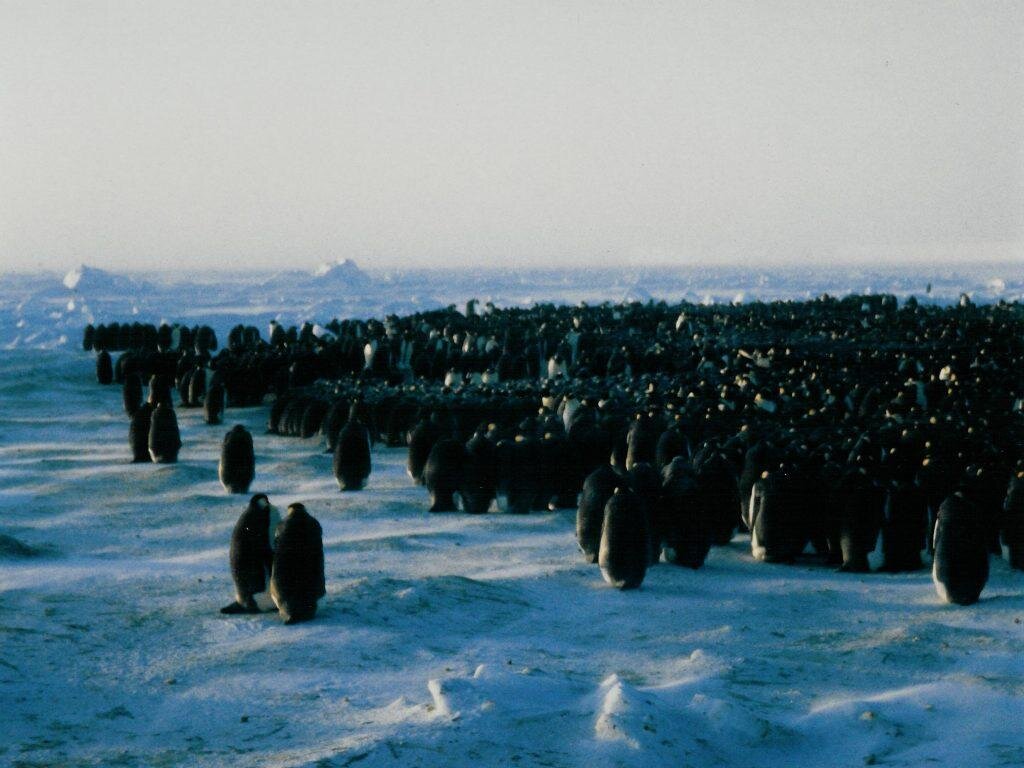
The largest is the mighty Emperor Penguin, standing nearly four feet tall. They are famous for their epic breeding journeys across the Antarctic ice. On the other end of the scale is the Little Blue Penguin, also known as the Fairy Penguin, which is native to Australia and New Zealand and stands just over a foot tall.
Other species have unique traits. The Rockhopper penguin, for instance, is known for its spiky yellow crest feathers and its ability to bound up steep, rocky cliffs. The Magellanic penguin creates burrows for its nests along the coasts of South America.
| Species | Average Height | Habitat | Distinguishing Fact |
|---|---|---|---|
| Emperor | 45 in (115 cm) | Antarctic ice | The only penguin species that breeds during the Antarctic winter. |
| King | 37 in (95 cm) | Subantarctic islands | Has vibrant orange patches on its head and neck. |
| Adélie | 28 in (70 cm) | Antarctic coast | Builds its nest from small stones. |
| Galápagos | 19 in (49 cm) | Galápagos Islands | The only penguin species found north of the equator. |
From Ice to Islands
Penguins are birds of the Southern Hemisphere, but their habitats are not limited to the frozen Antarctic continent. In fact, most species live in more temperate climates. You can find penguin colonies along the coasts of South America, Africa, Australia, and New Zealand, as well as on many subantarctic islands.
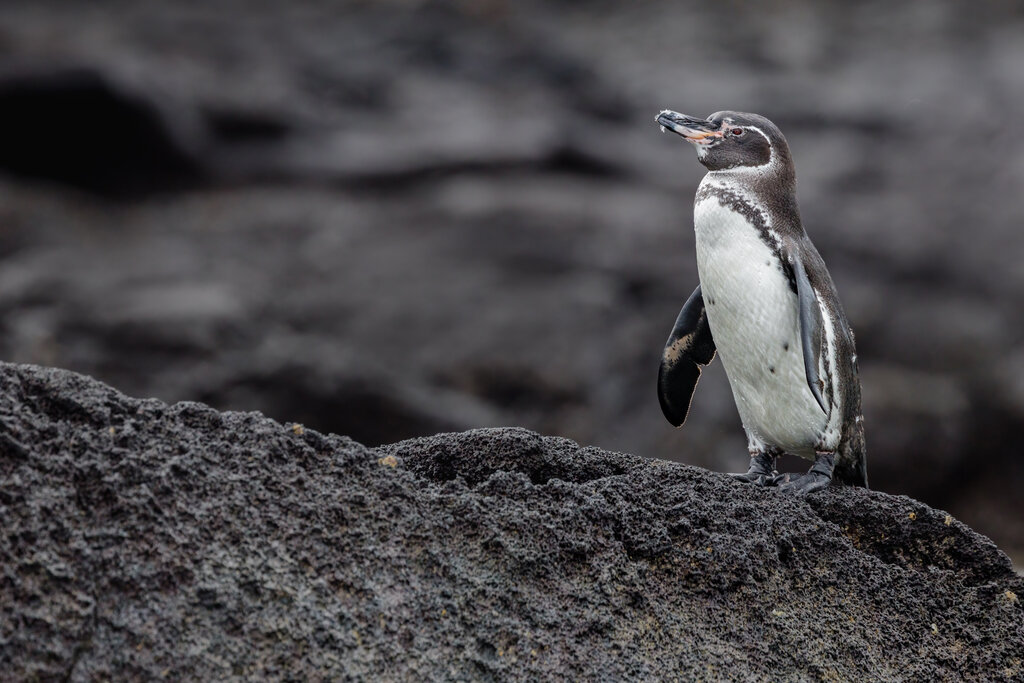
Each species is uniquely adapted to its environment. Antarctic penguins like the Emperor have dense, waterproof feathers and a thick layer of blubber to survive extreme cold. In contrast, the Galápagos penguin has developed strategies to stay cool. It spends much of its day in the cold, nutrient-rich waters of the Humboldt Current and seeks shade in volcanic caves on land.
Keepers of the Coast
Penguins play a vital role in their ecosystems. They are a key link in the marine food web, acting as both predator and prey. They primarily hunt small fish, squid, and crustaceans like krill. By doing so, they help control the populations of these smaller organisms.
At the same time, penguins are an important food source for larger predators. In Antarctica, their main threats are leopard seals and orcas. On other coastlines, they are hunted by sea lions, sharks, and even land-based predators that might raid their nests.
Because of their position in the food web, penguins are considered bioindicators. The health and size of their populations can provide valuable clues about the overall health of the ocean. A decline in penguin numbers might signal a drop in fish or krill populations, potentially due to overfishing or the effects of climate change. Studying them helps scientists understand the broader changes happening in marine environments.