Penetration Testing Essentials with Nmap
Introduction to Penetration Testing
What Is Penetration Testing?
Penetration testing, or pen testing, is a simulated cyberattack against a computer system to check for exploitable vulnerabilities. Think of it like hiring a professional lockpicker to test the security of your home. Instead of waiting for a real burglar to break in, you have a trusted expert find the weak spots first so you can fix them.
The main goal is proactive defense: find and fix security holes before malicious attackers can discover and exploit them.
This process involves more than just running automated tools. It requires a strategic approach to probe for weaknesses in networks, applications, and human elements. A successful pen test provides a clear picture of a system's security posture and offers specific recommendations for improvement.
Ethical and Legal Lines
The line between a pen tester and a malicious hacker is a legal one. Pen testers operate under strict ethical guidelines and with explicit, written permission from the system's owner. This authorization, often called the 'rules of engagement,' defines the scope of the test: what can be targeted, what methods are allowed, and when the test can occur.
Remember to always prioritize ethical conduct, obtain proper authorization, and engage qualified professionals to ensure that physical penetration testing and social engineering engagements are conducted safely and responsibly, ultimately strengthening the overall security posture and protecting valuable assets.
Attempting to access or test a system without consent is illegal and carries severe consequences. Ethical hacking is a profession built on trust and a commitment to improving security, not breaking it.
The Phases of a Pen Test
A penetration test isn't a single event but a methodical process broken down into distinct phases. While the specific names can vary, the workflow generally follows a logical progression from gathering information to reporting the results. This structured approach ensures a thorough and effective assessment.
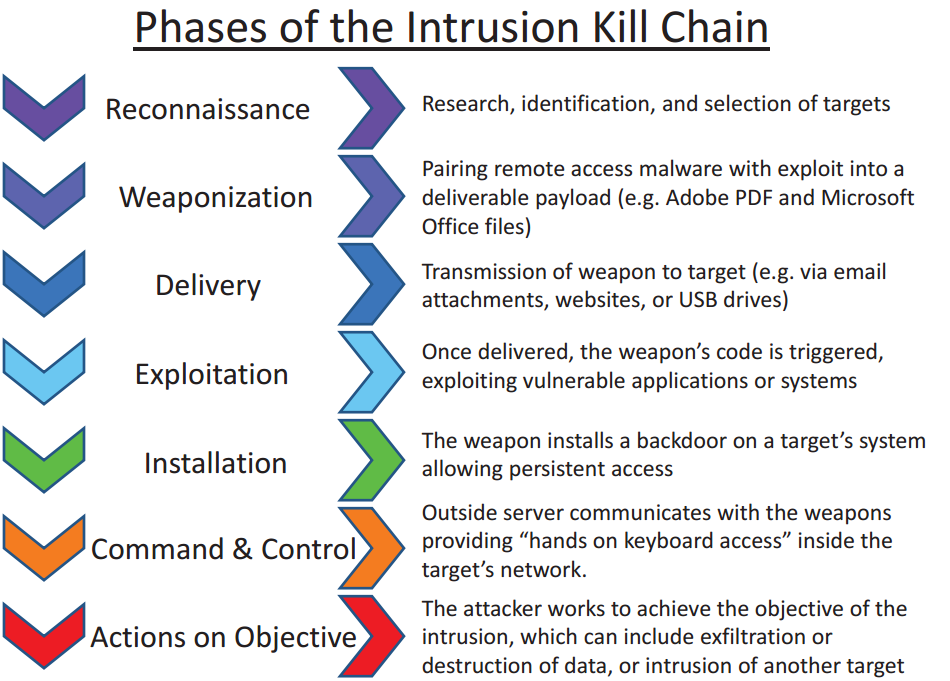
1. Reconnaissance This is the information-gathering phase. The tester scours public sources to learn as much as possible about the target. This can include finding employee names, email addresses, technology stacks, and network IP ranges. The more information gathered here, the more effective the later phases will be.
2. Scanning With initial information in hand, the tester actively probes the target's systems. The goal is to discover open ports, running services, and potential vulnerabilities. Tools are used to map out the network and identify live hosts, creating a blueprint of the target's digital footprint.
3. Gaining Access This is the exploitation phase. The tester attempts to bypass security controls and gain unauthorized access using the vulnerabilities identified during scanning. This could involve exploiting a software bug, cracking a weak password, or tricking an employee into revealing credentials.
4. Maintaining Access Once access is gained, the objective is to see how deep that access can go and how long it can be sustained. A tester might try to escalate privileges to gain administrative control or move laterally across the network to access other systems. This phase demonstrates the potential business impact of a breach.
5. Analysis and Reporting This is arguably the most important phase. The tester meticulously documents every step taken, every vulnerability found, and all data accessed. The final report explains the findings in clear terms, assesses the risk level of each vulnerability, and provides actionable recommendations for remediation. This report is the ultimate deliverable, turning the test results into a plan for improving security.
Understanding these foundational concepts is the first step in learning how security tools are used to protect digital assets. Each phase builds on the last, forming a complete cycle of security assessment.