Pen Portrait Mastery Stylized Likeness
Pen Techniques
The Pen Is Not Just for Writing
The humble pen is a surprisingly powerful tool for drawing. Unlike a pencil, you can’t erase your marks, which forces you to be deliberate and confident. The key to great pen drawing isn't fancy equipment, but control over the marks you make. It starts with mastering pressure and understanding how to build tone with simple lines.
Pressure and Line Weight
The most fundamental skill is controlling the weight of your line. A light touch creates a thin, delicate line, perfect for faint details or initial sketches. Applying more pressure creates a thick, bold line that can define an edge or create emphasis. This variation is what brings a drawing to life, giving it depth and a sense of form.
Think of it like whispering versus shouting. A drawing that uses a range of line weights has more character than one where every line is the same. Practice drawing simple lines, varying the pressure from light to heavy in a single stroke. This helps build muscle memory and gives you intuitive control over the pen.
For each shading technique, the more densely you shade, the smoother the shading will appear, and the harder you press down on your pencil, the darker your shading will appear, allowing you to achieve a sense of visual depth.
Creating Value with Lines
Since you can't blend ink like you can with charcoal or graphite, you have to create the illusion of shading and value by using patterns of lines and dots. The three foundational techniques for this are hatching, cross-hatching, and stippling. They all work on the same principle: the density of your marks determines how light or dark an area appears.
Hatching
noun
A shading technique using closely spaced parallel lines to create tonal or shading effects.
Hatching is the simplest method. You draw a series of parallel lines. To create a darker area, you simply place the lines closer together. To make an area lighter, you space them further apart. The direction of your lines can also help define the form of an object. For example, lines that curve around a sphere will make it look more three-dimensional.
Cross-hatching takes this a step further. After laying down one set of hatched lines, you add another layer on top, typically in a different direction. This allows you to build up much darker tones and create more complex textures. You can add many layers of cross-hatching to achieve deep, rich blacks.
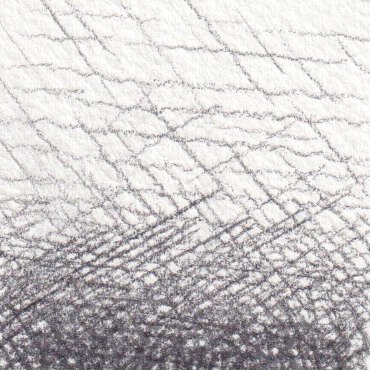
Stippling is a different approach that uses dots instead of lines. To create dark areas, you place many dots close together. For lighter areas, the dots are sparse and spread out. Stippling can create very subtle and soft tonal transitions, but it requires patience. The final effect can be incredibly detailed and textured.
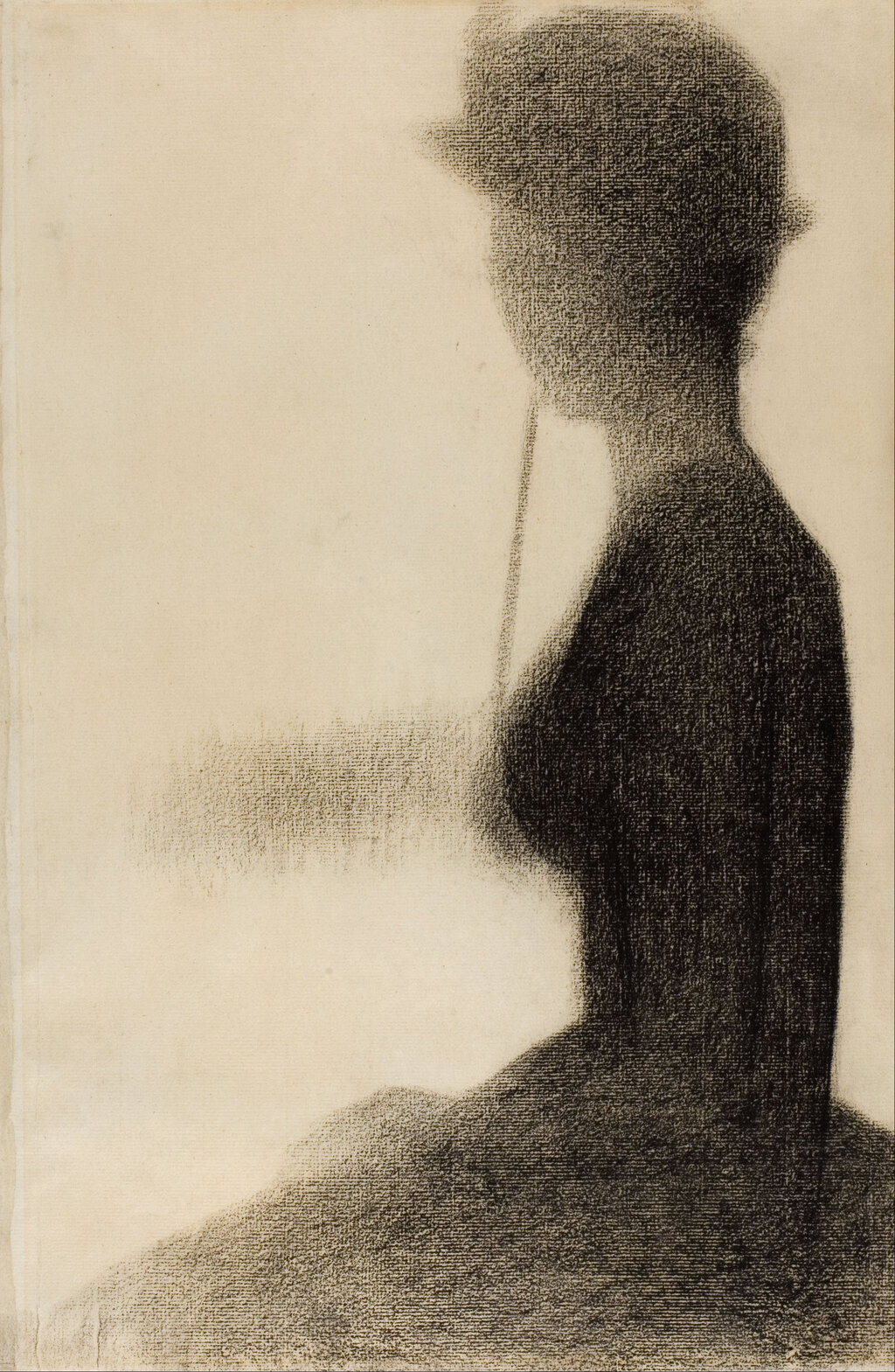
With these three techniques—hatching, cross-hatching, and stippling—you have a complete toolkit for creating a full range of values in your pen drawings. The next step is to practice them.
What is the primary effect of varying the pressure you apply to a pen while drawing?
According to the text, a key challenge of drawing with a pen, unlike a pencil, is that you cannot erase your marks.
Mastering these foundational skills gives you the control and confidence needed to tackle more complex subjects. Experiment with combining these techniques to see what textures you can create.