PEMF Therapy Explained
Introduction to Electromagnetic Fields
What Are Electromagnetic Fields?
Electromagnetic fields, often shortened to EMFs, are invisible areas of energy. They are a natural part of our world, produced by everything from the Earth's core to the electrical signals in our own bodies. They are also created by human technology.
Think of an EMF as a combination of two separate but intertwined forces: an electric field and a magnetic field.
Two Fields in One
An electric field is created by stationary electric charges. You've experienced this with static electricity—the force that makes a balloon stick to your hair. It's the area around a charge where other charges will feel a push or a pull.
A magnetic field is created by moving electric charges, which we also call an electric current. This is the force you feel when two magnets repel or attract each other. It surrounds any wire that has electricity flowing through it.
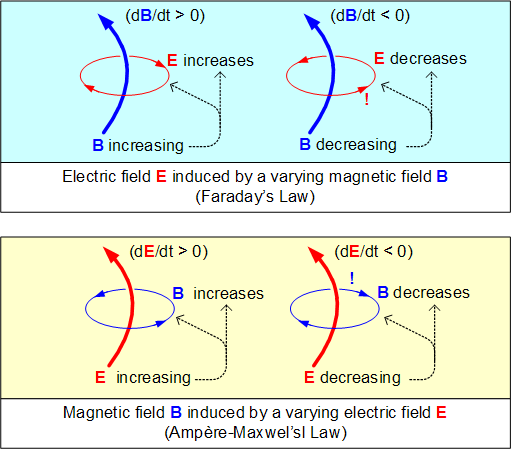
The magic of an electromagnetic field happens when these two fields interact. A changing magnetic field creates an electric field, and a changing electric field creates a magnetic field. This continuous dance between the two allows them to travel together as a wave, an electromagnetic wave.
Making Things Move Without Touching
This relationship between electricity and magnetism leads to a powerful principle called electromagnetic induction. This is the process where a changing magnetic field can create, or induce, an electric current in a nearby conductor. It’s how wireless chargers power up your phone and how electric generators create electricity.
Induction
noun
The production of an electric current by a change in the magnetic field enclosing a circuit.
Imagine moving a magnet back and forth near a coil of wire. The shifting magnetic field pushes and pulls on the electrons in the wire, causing them to move. This movement of electrons is an electric current. No physical contact is needed; the energy is transferred through the field itself.
Fields Meet Biology
So, how does this relate to the human body? Our bodies aren't just collections of tissues and bones; they are fundamentally electrical systems. Your cells communicate using tiny electrical signals. Ions—charged particles like sodium, potassium, and calcium—are constantly moving in and out of your cells, creating electrical charges across cell membranes.
Because the body is electrically active, it can be influenced by external electromagnetic fields. Just as a changing magnetic field can induce a current in a wire, it can also induce tiny electrical currents within biological tissues.
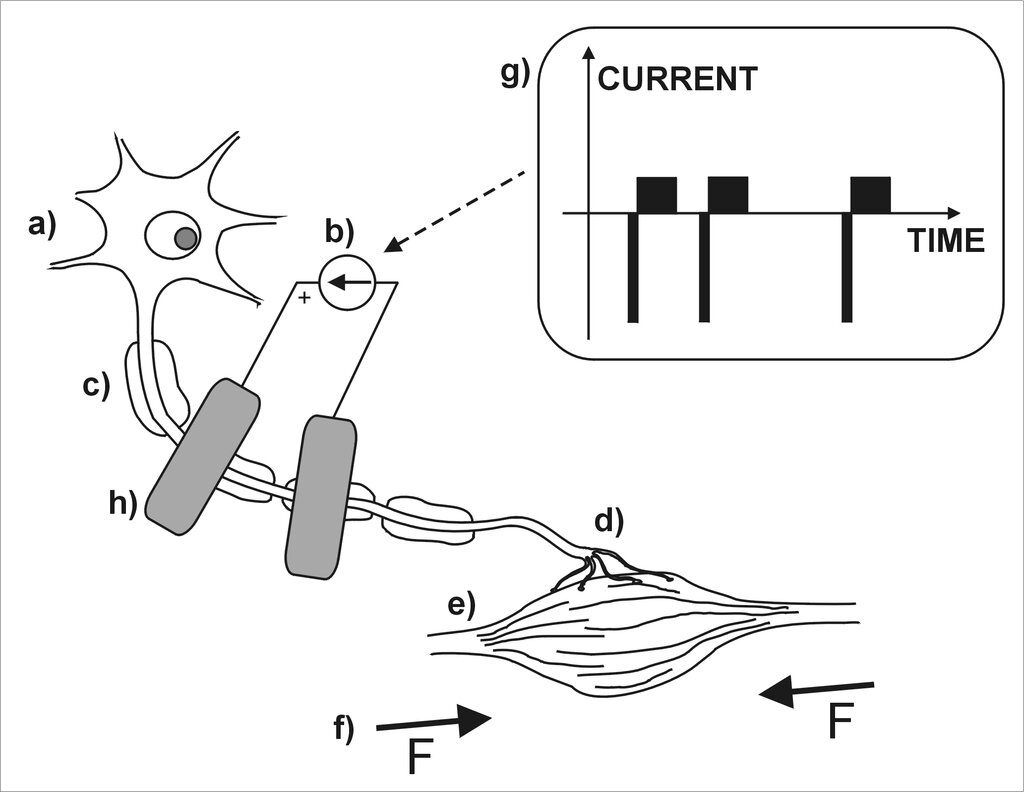
These induced microcurrents are thought to interact with the body's own electrical systems. They can influence the movement of ions across cell membranes, which is a key part of many cellular processes like signaling, repair, and energy production. This fundamental interaction is the basis for technologies that use electromagnetic fields for therapeutic purposes.