Pega Platform Fundamentals
Introduction to Pega Platform
What Is Pega?
Many business tasks follow a predictable path. A customer places an order, an employee submits an expense report, or a bank processes a loan application. These are all workflows, a series of steps to get something done. Traditionally, building software to manage these workflows required teams of developers writing complex code from scratch.
The Pega Platform offers a different approach. It's a low-code development environment designed to help businesses build and manage applications for these exact kinds of processes. The term "low-code" means you can create powerful, complex applications with minimal traditional programming. Instead of writing lines of code, you visually design the workflow, much like drawing a flowchart.
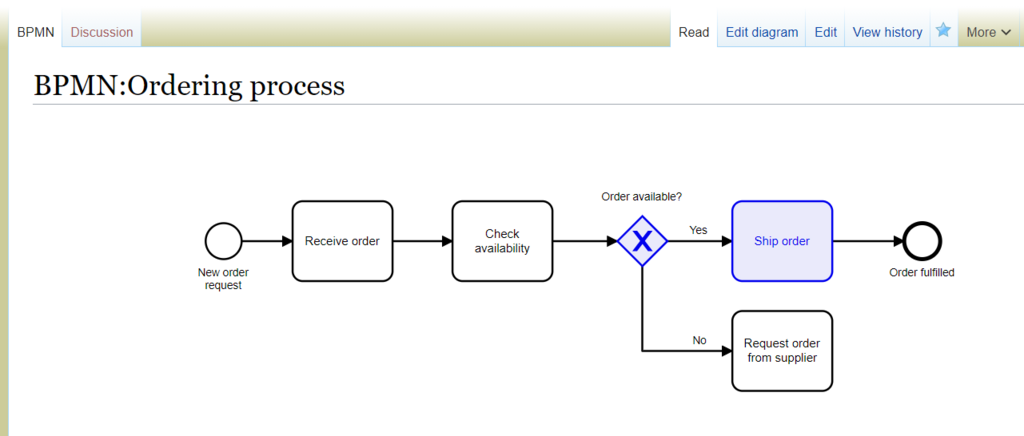
This visual approach makes application development faster and more accessible. Business analysts and managers can collaborate directly with developers, using a shared visual language to build the exact tools they need. The goal is to bridge the gap between business needs and technical implementation.
A Model-Driven Approach
Pega's power comes from its model-driven architecture. Think of it like building with LEGOs instead of shaping raw plastic. Instead of writing code for every button, form, and rule, you define a model of your business process. You specify the stages, the steps within each stage, the data you need to collect, and the decisions to be made.
Once you've built this visual model, the Pega Platform interprets it and automatically generates the underlying code to create a fully functional application. If the business needs change, you don't rewrite the code; you simply update the model, and the platform adjusts the application accordingly. This makes software more adaptable and easier to maintain over time.
This separation of business logic from the underlying technology is a core principle. It allows the business process to evolve without being tied to a specific programming language or framework.
Core Capabilities
Pega is built around a few key concepts that work together to automate and manage complex work.
Case Management: In Pega, a "case" represents a single unit of work, like a new insurance claim or a customer service request. Case management is about guiding that work from start to finish. You define the lifecycle of a case, including its stages and the required steps. Pega then ensures that the right work gets to the right person at the right time, tracking everything along the way.
For example, a new hire onboarding case might have stages like "Pre-start," "First Day," and "First Week." Each stage contains tasks such as "Send welcome email," "Set up IT equipment," and "Schedule team introductions." Pega orchestrates this entire process, providing visibility to everyone involved.
Decisioning: Many business processes require decisions. Should a loan be approved? Is this transaction fraudulent? What's the best marketing offer to show this customer? Pega's decisioning engine allows you to define the logic for these choices using business rules, predictive analytics, and AI. The system can then make intelligent, automated decisions in real-time, ensuring consistency and accuracy.
Instead of hard-coding if-then statements, you might create a rule that says, "If a customer's credit score is above 700 and their income is over $50,000, automatically approve the loan application." This rule can be easily updated by a business user as policies change.
Robotic Process Automation (RPA): Sometimes, automated processes need to interact with older systems that don't have modern APIs. Pega uses RPA to bridge this gap. An RPA bot can mimic human actions, like logging into a legacy application, copying and pasting data, or filling out a form. This allows you to automate end-to-end processes without having to replace every system you own.
By combining case management, decisioning, and automation, Pega provides a unified platform for digital transformation. It empowers organizations to build smarter, more efficient applications that can adapt to changing customer needs and market demands.