Pediatric Kidney Transplantation Essentials
Pediatric Kidney Transplantation Overview
When Kidneys Fail in Childhood
Kidneys are essential filters, cleaning our blood around the clock. But sometimes, they stop working correctly. When this happens, it’s called renal failure. If the damage is severe and permanent, it leads to end-stage renal disease, or ESRD. While often associated with adults, ESRD affects children too. About 14 out of every million children in the United States develop this condition each year. Causes can range from birth defects and genetic conditions to infections.
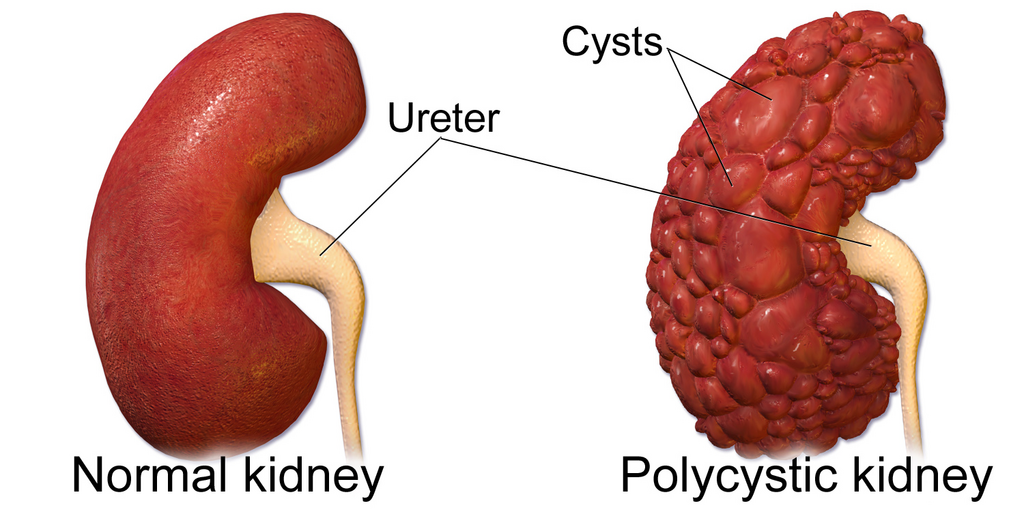
When a child's kidneys fail, waste products and excess fluid build up in their body, becoming toxic. To survive, they need a treatment that can take over the job of the kidneys. The two main options are dialysis and transplantation.
Transplant vs. Dialysis
Dialysis is a life-saving process that uses a machine to filter the blood. However, it's a demanding and restrictive treatment. Children on dialysis often face multiple-hour sessions, several times a week. This schedule can interfere with school, play, and social activities. It can also affect their growth, development, and overall energy levels.
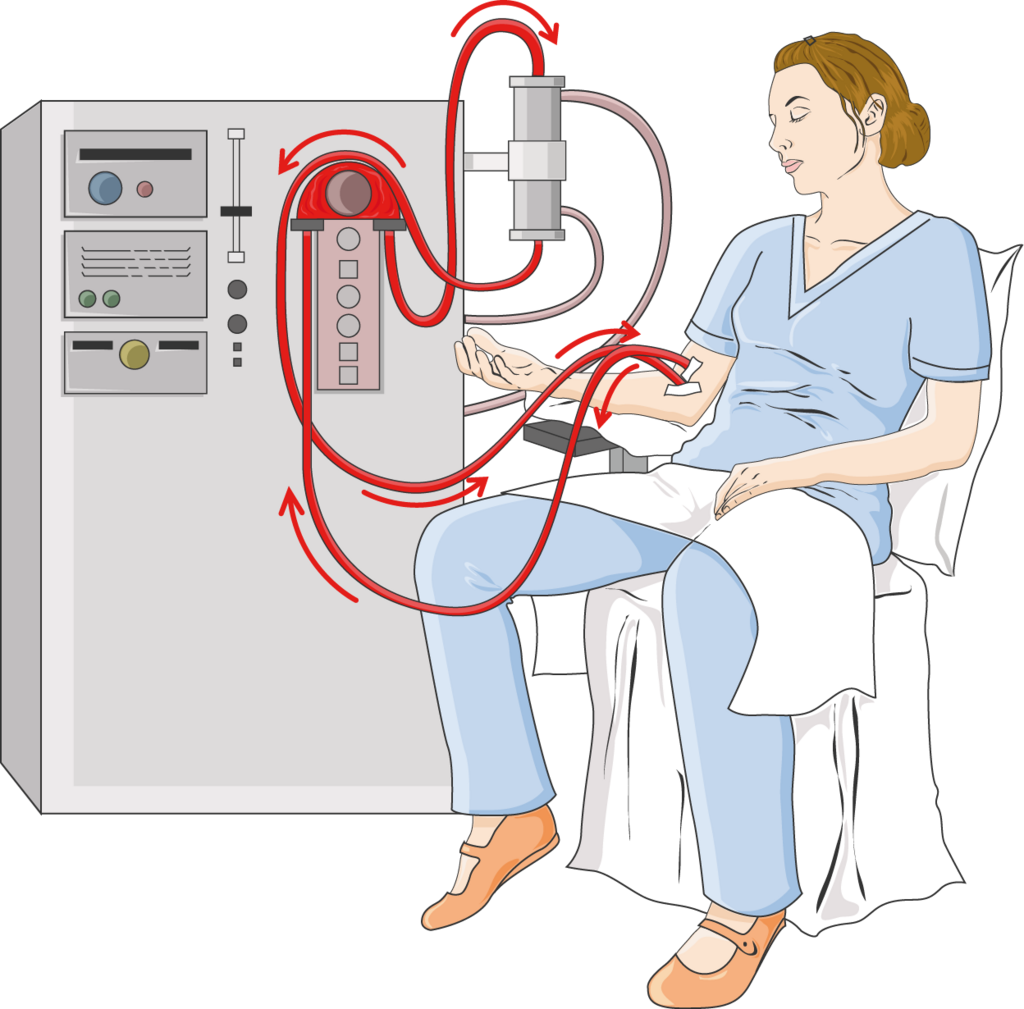
For these reasons, a kidney transplant is usually the best option for children with ESRD. A successful transplant allows a child to live a much more normal life. With a functioning kidney, they can often return to a regular diet, have more energy, and keep up with their peers. Most importantly, it supports healthier growth and development during their crucial formative years.
A new kidney doesn't just filter blood; it gives a child back their childhood.
The Journey to a New Kidney
The path to a pediatric kidney transplant involves several key stages. It’s a carefully coordinated process designed to ensure the best possible outcome for the child.
First, the child undergoes a thorough medical and psychological evaluation to confirm they are a good candidate for surgery. Once approved, the search for a donor begins. A kidney can come from a living donor, often a family member, or a deceased donor. Living donation is frequently preferred for children because it can be scheduled, and the kidney typically functions better and lasts longer.
If a living donor isn't available, the child is placed on a national waiting list for a deceased donor kidney. The wait time can vary depending on blood type, tissue compatibility, and other factors. When a suitable kidney is found, the family is notified, and the transplant surgery takes place.
Unique Hurdles for Small Patients
Transplanting a kidney into a child presents a unique set of challenges compared to adult procedures.
| Challenge | Pediatric Patients | Adult Patients |
|---|---|---|
| Anatomy | An adult kidney must fit into a small child's body. | The donor kidney is typically similar in size. |
| Immune Response | A child's immune system can be stronger and more reactive. | Immune response is a concern, but often less vigorous. |
| Medication | Lifelong adherence to immunosuppressants can be difficult for children and teens. | Adherence is a challenge, but adults have more autonomy. |
| Growth | The transplant must support the child's ongoing physical growth and development. | The primary goal is organ function, not physical growth. |
One of the most significant technical challenges is surgically placing an adult-sized kidney into a small child. The blood vessels must be carefully connected to ensure proper blood flow. Additionally, children’s immune systems can be very active, increasing the risk of rejecting the new organ. Managing the powerful immunosuppressant drugs needed to prevent rejection requires a delicate balance to avoid side effects and allow for normal growth.
Finally, ensuring a child or adolescent takes their medication every day, for the rest of their life, requires constant support from family and the medical team. These hurdles make pediatric transplantation a highly specialized field.
Let's review what we've covered about this complex but life-changing procedure.
What is the primary reason a kidney transplant is considered the best treatment option for children with end-stage renal disease (ESRD)?
Why is a living donor often preferred for a pediatric kidney transplant?
While the journey is challenging, a successful transplant can transform a child's life, offering them a chance at a healthy and active future.