Pediatric Asthma Exacerbation Management
Understanding Pediatric Asthma
What Is Asthma?
Asthma is a long-term disease that affects the airways, the small tubes that carry air in and out of the lungs. In children, this condition can make breathing difficult and interfere with play, sleep, and school.
Asthma is a disease of the small airways in the lungs, characterized by a response to certain conditions (“triggers”) that can result in inflammation, ultimately making it harder to breathe.
It's one of the most common chronic diseases in childhood. While there's no cure, understanding what happens inside the lungs is the first step toward managing the condition effectively and helping children lead active, healthy lives.
A Look Inside the Lungs
To understand asthma, we need to look at three key things that happen in the airways of someone with the condition: inflammation, bronchoconstriction, and hyperresponsiveness. These three processes work together to create the symptoms of asthma.
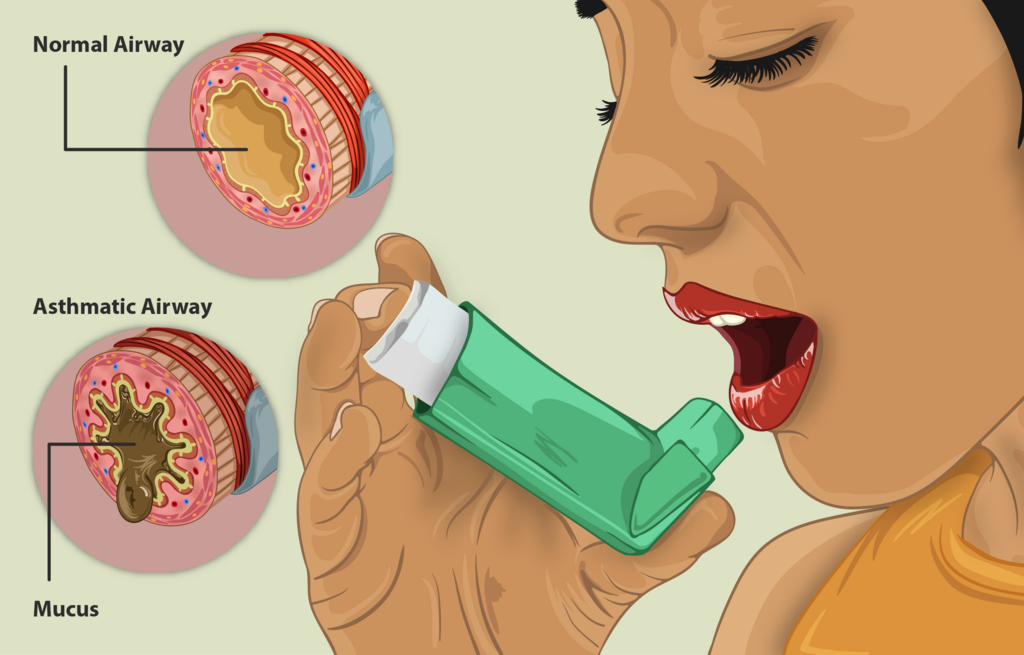
Inflammation: The lining of the airways becomes swollen and irritated. This is the body's reaction to certain triggers, similar to how skin gets red and puffy after a bug bite. This swelling narrows the space for air to pass through and can also lead to increased mucus production, further clogging the airways.
Bronchoconstriction: The muscles that wrap around the airways tighten up. This squeezing action, called bronchoconstriction, makes the already narrow airways even smaller. It's like pinching a straw, making it much harder to breathe through.
Hyperresponsiveness: The airways become overly sensitive. In a child with asthma, the airways can overreact to things that wouldn't bother other children, like cold air, dust, or a simple cold. This exaggerated response is what kicks off the cycle of inflammation and bronchoconstriction.
Common Asthma Triggers
A trigger is anything that sets off asthma symptoms. Triggers vary from child to child, and identifying them is a crucial part of managing asthma. They generally fall into a few main categories.
| Category | Common Examples |
|---|---|
| Allergens | Pollen, dust mites, mold, pet dander, cockroaches |
| Irritants | Tobacco smoke, air pollution, strong odors (perfume, cleaning products) |
| Infections | Colds, the flu, sinus infections, and other respiratory viruses |
| Physical Activity | Exercise, especially in cold or dry air |
| Weather | Cold air, changes in temperature, high humidity |
| Emotions | Strong emotions like laughing, crying, or stress |
Keeping track of when symptoms occur can help pinpoint specific triggers for a child. Not every child will react to all these triggers, and some may have triggers that aren't on this list.
Spotting the Early Signs
An asthma attack, or exacerbation, doesn't always start suddenly. Often, there are subtle warning signs that symptoms are about to get worse. Recognizing these early signs can help prevent a full-blown attack.
Early signs of an asthma exacerbation can include:
- Frequent coughing, especially at night or while laughing
- Feeling very tired or weak during exercise
- A slight shortness of breath
- A tight feeling in the chest
- Wheezing or a quiet whistling sound when breathing
A child might also show changes in their mood, like being cranky or easily upset. Paying attention to these small changes is important for staying ahead of asthma symptoms.
Ready to check your understanding?
What are the three key processes that happen in the airways of a person with asthma?
The analogy of 'pinching a straw' is used to describe which aspect of an asthma attack?
Understanding what asthma is, how it affects the lungs, and what triggers it are the foundational pieces for helping children thrive.