Pediatric Acute Otitis Media Guidelines
Introduction to Acute Otitis Media
The Middle Ear Under Siege
Acute Otitis Media, or AOM, is the medical term for the most common type of ear infection. It's a sudden inflammation of the middle ear, the small, air-filled space right behind the eardrum. While anyone can get one, they are incredibly common in young children.
Otitis Media
noun
Inflammation or infection of the middle ear.
To understand why this happens, we need to look at the anatomy of the ear. The middle ear isn't an isolated chamber. It's connected to the back of the throat by a tiny channel called the Eustachian tube. This tube has a critical job: it equalizes air pressure and helps fluid drain from the middle ear.
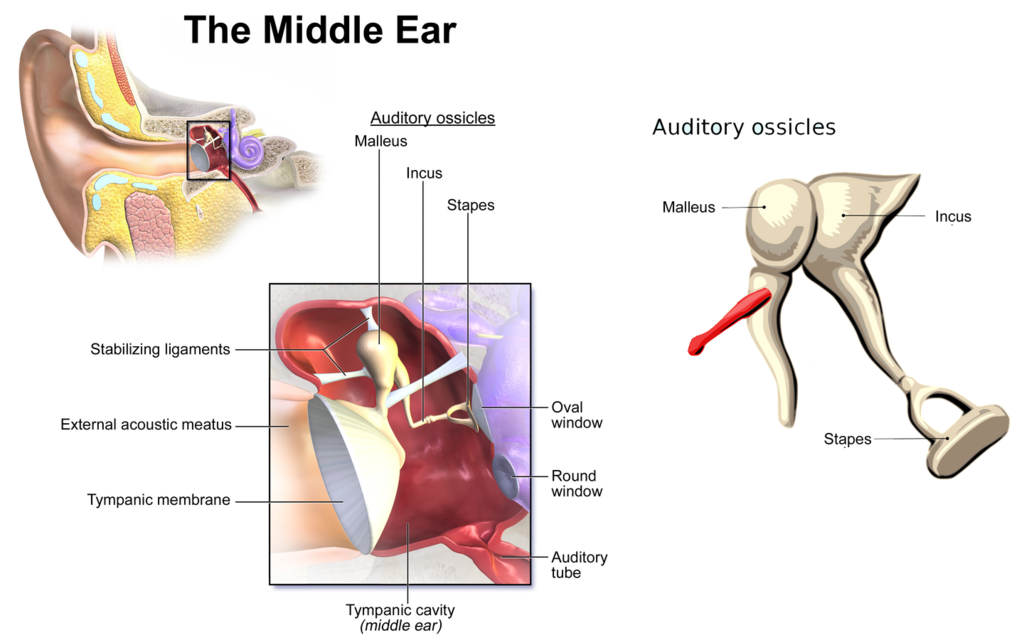
Why Children Are More Vulnerable
The structure of the Eustachian tube is the main reason kids get so many more ear infections than adults. In children, these tubes are shorter, narrower, and more horizontal. This design makes them much less efficient at draining fluid and more likely to get blocked.
By the age of three, five out of six children will have experienced at least one episode of AOM. The peak incidence occurs between 6 and 12 months of age. This frequency is also tied to a child's developing immune system, which is still learning to fight off common viruses and bacteria.
From Sniffles to Infection
The story of an ear infection often begins with a common cold, the flu, or an allergy flare-up. These conditions cause the lining of the nose and throat to swell, which can block the opening of the Eustachian tube. At the same time, the body produces more mucus.
With the tube blocked, this fluid has nowhere to go. It gets trapped in the middle ear, creating a warm, stagnant pool that is the perfect breeding ground for germs. These germs, which are often already present in the nose and throat, can travel up the Eustachian tube and into the fluid-filled middle ear, leading to infection.
Blocked Eustachian Tube + Trapped Fluid + Germs = Acute Otitis Media
The resulting infection causes inflammation and a buildup of pus behind the eardrum. This pressure is what causes the intense pain associated with AOM.
While viruses are often the initial trigger that causes the blockage, the secondary infection in the middle ear fluid is frequently bacterial. The most common bacterial culprits include:
- Streptococcus pneumoniae
- Haemophilus influenzae
- Moraxella catarrhalis
Understanding this progression from a simple upper respiratory issue to a painful middle ear infection is key to recognizing why ear infections are so common, especially after a cold.
Now, let's test your understanding of what causes these common ear infections.
Why are young children more susceptible to acute otitis media (AOM) than adults?
What is the primary function of the Eustachian tube?
Knowing the basic mechanisms of AOM helps explain why this condition is such a frequent part of childhood.