Peach Plum Grafting Mastery
Introduction to Grafting
The Art of Plant Surgery
Have you ever wondered why you can buy a single tree that grows five different kinds of apples? The secret is a technique that’s a bit like surgery for plants, called grafting. It’s a way of joining parts from two different plants so they fuse and grow together as one.
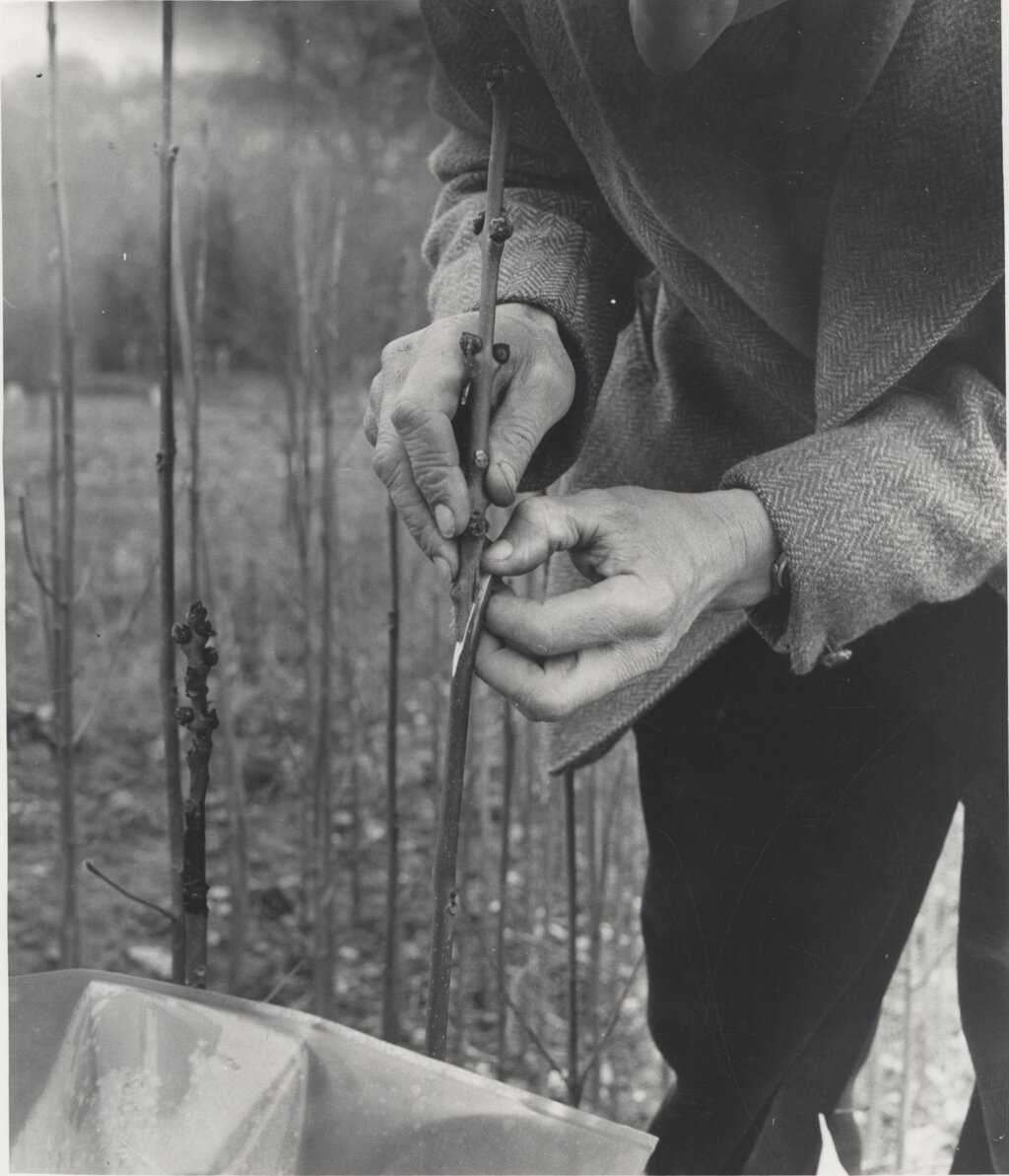
One plant provides the top part, chosen for its flowers, leaves, or fruit. This piece is called the scion. The other plant provides the root system, or rootstock, which is selected for its ability to thrive in a certain type of soil or resist diseases. By joining them, we create a super-plant with the best qualities of both.
| Part | Role |
|---|---|
| Scion | The top part of the graft, chosen for its desirable fruit, flowers, or leaves. |
| Rootstock | The bottom part of the graft, providing the root system and chosen for hardiness or disease resistance. |
Why Bother Grafting?
Grafting isn’t just a neat trick; it’s a cornerstone of modern horticulture. Many of the fruits you find in the grocery store, like apples, cherries, and citrus, come from grafted trees.
One of the biggest benefits is control. A tree grown from an apple seed might produce small, sour apples, or it might take a decade to bear any fruit at all. Grafting a branch from a tree known to produce delicious Gala apples onto a sturdy rootstock guarantees you’ll get Galas, and much faster. This ability to get fruit sooner is called precocity.
Grafting also allows growers to combine traits. Imagine a lemon tree that makes perfect lemons but has weak roots that are prone to disease. By grafting its branches onto the root system of a tough, disease-resistant relative, you get a hardy tree that produces high-quality fruit. It's also used to repair trees that have been damaged by animals or equipment.
Essentially, grafting lets us build a custom plant perfectly suited for its purpose, whether that's producing more fruit, surviving a harsh winter, or fitting into a small garden.
The Secret to a Successful Union
How can two separate plants heal into one? The magic lies in a special layer of tissue just under the bark called the cambium. Think of the cambium as the plant's growth engine. It's a thin layer of actively dividing cells that creates new wood on the inside and new bark on the outside.
cambium
noun
A layer of actively dividing cells between xylem and phloem tissues that is responsible for the secondary growth of stems and roots.
For a graft to succeed, the cambium layers of the scion and the rootstock must touch. This is the most critical step. When these layers are aligned, the cells start to divide and grow, bridging the gap between the two pieces. Over time, they form new vascular tissues—the xylem and phloem—which are like the plant’s plumbing system. These new connections allow water and nutrients to flow from the rootstock up into the scion, and sugars to travel from the leaves down to the roots. If the cambium layers don't meet, this vital connection never forms, and the graft fails.
Compatibility is also crucial. You can’t just graft any two plants together. Generally, the more closely related the plants are, the more likely the graft is to succeed. You can graft an orange scion onto a lemon rootstock because they are both citrus fruits, but you can’t graft an apple onto a pine tree. Their internal structures and biology are just too different for them to form a lasting bond.
What is the primary purpose of grafting in horticulture?
For a graft to be successful, it is most critical that the _________ layers of the scion and rootstock are in direct contact.