PCB Stator Motors Explained
Introduction to Electric Motors
Electricity into Motion
Electric motors are all around us, from the fan that cools you to the engine in an electric car. Their job is simple: to turn electrical energy into useful mechanical motion, usually by spinning something. At their core, they all work on the same fundamental principle of magnetism.
Imagine trying to push two magnets together. If you line up their north poles, they repel each other. If you line up a north and a south pole, they snap together. Electric motors harness this basic push and pull force, but they do it with electricity to create continuous rotation.
The Main Parts
Every electric motor has two essential components that work together: a stationary part and a rotating part. Understanding these two pieces is the key to understanding how any motor works.
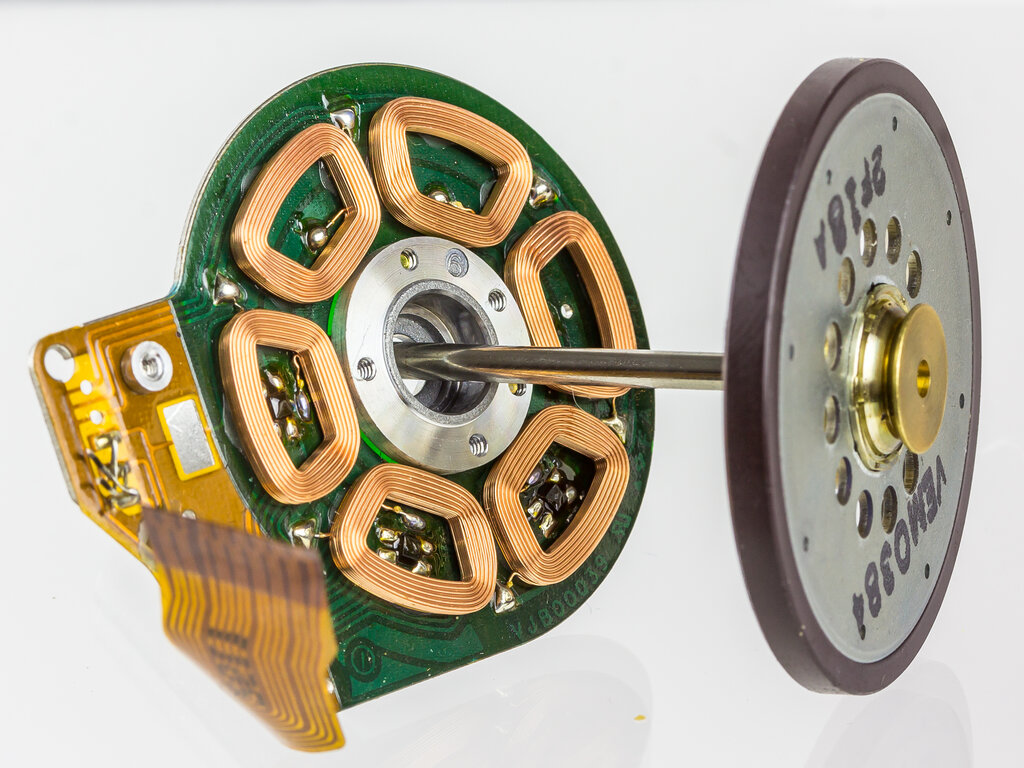
The first part is the stator. As its name suggests, it stays still.
stator
noun
The stationary part of a motor, typically consisting of a housing and a set of wire coils.
The stator is usually the outer casing of the motor. It's wrapped with tightly wound copper wires. When electricity flows through these wires, the stator turns into a powerful electromagnet, creating a magnetic field that is essential for the motor's operation.
The second part is the rotor. This is the part that actually rotates, or spins.
rotor
noun
The rotating component of a motor located inside the stator.
The rotor sits inside the stator and is connected to a shaft. This shaft is the part that extends out of the motor to drive a fan blade, a wheel, or any other mechanical device. The rotor is typically made with magnets or its own set of wire coils that can also become magnetic.
How They Interact
The magic happens when the magnetic fields of the stator and rotor interact. When you send an electric current into the stator's coils, it generates a magnetic field. This field then exerts a force on the rotor's magnets, just like the magnets you played with as a kid.
Opposite magnetic poles attract, and like poles repel. This fundamental force is what creates the turning motion, or torque, in a motor.
The stator's magnetic field essentially pushes and pulls the rotor around in a circle. To keep the rotor spinning continuously, the motor's control system rapidly switches the direction of the electric current flowing into the stator coils. This changes the stator's magnetic poles, ensuring there's always a force pushing the rotor forward.
Think of it like dangling a carrot in front of a donkey. The stator creates a rotating magnetic field that the rotor is always trying to catch up to. This constant chase is what generates the smooth, continuous motion that powers so many devices in our modern world.
Now, let's check your understanding of these core concepts.
What is the primary function of an electric motor?
In an electric motor, the stationary part that creates a magnetic field from electricity is called the ______.
This fundamental interaction between a stationary stator and a spinning rotor is the basis for all electric motors, from the tiny ones in your phone to the massive ones that drive industrial machinery.