Payment Orchestration Business
Introduction to Payment Orchestration
The Conductor of Commerce
Imagine a symphony orchestra. Each musician is a master of their instrument—the violins, the cellos, the brass, the percussion. But without a conductor, the result would be chaos. The conductor doesn't play an instrument but instead coordinates all the individual players to create a single, harmonious piece of music.
Payment orchestration is the conductor for a business's payment system. In today's global market, businesses often need to accept payments from various sources: different credit cards, digital wallets, bank transfers, and more. Each of these payment methods might be handled by a different company, known as a payment service provider (PSP).
A payment orchestration platform (POP) is a single technical layer that connects all these different payment services. Instead of building and managing separate connections to each one, a business connects only to the orchestration platform. The platform then intelligently manages and directs every transaction to the best possible destination.
In simple terms, payment orchestration is a single point of integration that gives a business control over its entire payment stack, making it more efficient, resilient, and cost-effective.
Gateways, Processors, and Orchestrators
To understand orchestration, it helps to know the main players in a typical online transaction. When you click "Buy Now," a chain reaction begins.
- Payment Gateway: This is the secure messenger. It encrypts your sensitive payment data (like a credit card number) and passes it safely from the merchant's website to the payment processor.
- Payment Processor: This is the workhorse. It takes the encrypted information from the gateway and communicates with the banks involved—yours and the merchant's—to see if you have sufficient funds and to approve or decline the transaction.
A business might start with a single payment gateway connected to a single processor. This works, but it's like having only one road to your destination. If that road is closed for repairs or has a massive traffic jam, you're stuck.
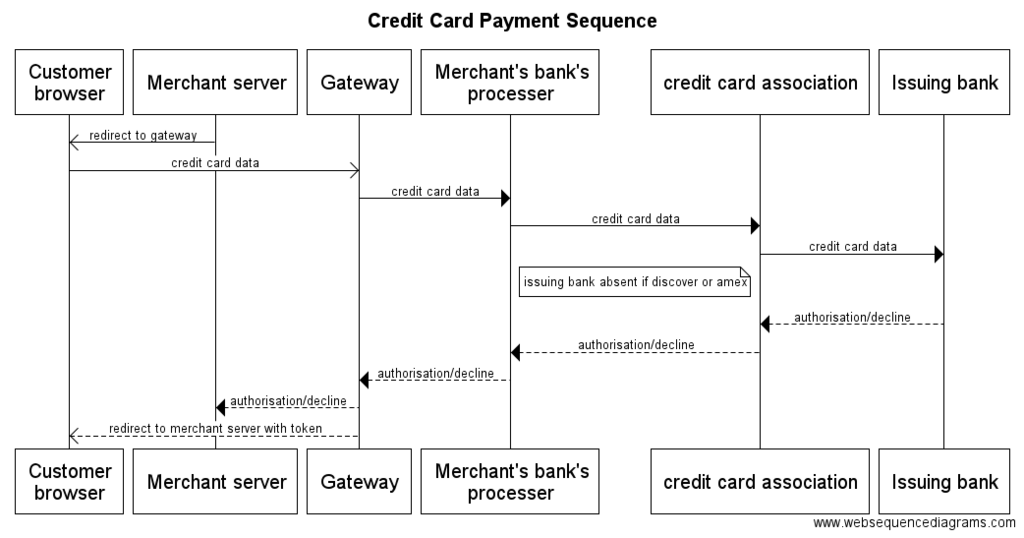
This is where orchestration comes in. It's not a replacement for gateways or processors but rather a management layer that sits on top of them.
A payment orchestration platform connects to multiple gateways and processors. This gives a business the flexibility to route transactions through different paths based on factors like cost, success rate, or the customer's location. If one path fails, the transaction can be automatically retried through another.
The Engine Room
What does a payment orchestration platform actually do? Its power comes from a few key components that work together.
Single Point of Integration: Instead of building and maintaining dozens of different connections to payment providers, a developer only needs to integrate with the orchestration platform's API (Application Programming Interface). This single connection gives them access to a whole network of payment services, saving immense time and effort.
Intelligent Routing: This is the core logic of the system. The platform can be configured with rules to send transactions to the best possible provider. For example, a business could set up rules like:
- "If a customer is in Europe, use Provider A because it has lower fees for euros."
- "If a transaction is over $1,000, use Provider B because it has better fraud protection."
- "If Provider C is down, automatically retry the transaction with Provider D."
This dynamic routing helps increase the number of successful transactions (known as the approval rate) and reduce processing costs.
Unified Reconciliation: When you work with multiple payment providers, tracking your money can become a nightmare. Each provider has its own reports and fee structures. An orchestration platform brings all of this data into one place, giving the business a single, unified view of all its transactions and making bookkeeping much simpler.
Essentially, payment orchestration provides a centralized control panel for a company's entire payment ecosystem. It simplifies complexity, provides flexibility to adapt to new markets and payment methods, and helps recover revenue that might otherwise be lost to failed transactions.