Payment Infrastructure Explained
Introduction to Payment Systems
The Plumbing of Commerce
Every time you buy a coffee, pay a bill online, or get your paycheck, you're using a payment system. Think of it as the financial plumbing that allows money to move from one account to another. It’s a complex web of rules, technologies, and institutions working behind the scenes to make sure transactions are safe, fast, and reliable.
Payment processing is the plumbing that enables money to move securely from the customer’s account to the business’s account whenever a digital payment is made.
At its core, a payment system connects the person paying (the payer) with the person getting paid (the payee). But they're rarely connected directly. Several key players are involved, including the banks for both parties, payment processors, and the networks that connect them all.
Ways to Pay
Payment systems come in several forms, each suited for different needs.
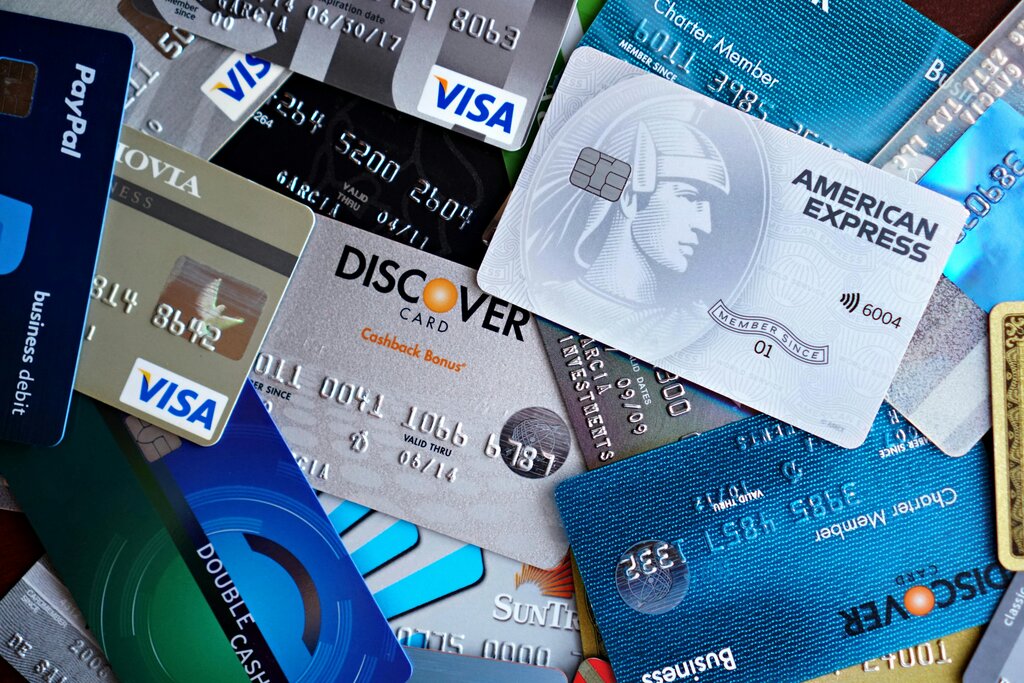
The most familiar are card-based systems. When you use a credit or debit card, you're tapping into networks like Visa or Mastercard. These networks don't issue cards or lend money; they set the rules and provide the infrastructure that allows your bank to talk to the merchant's bank.
Then there are Electronic Funds Transfers (EFT). These are direct bank-to-bank transfers. If you’ve ever had a paycheck direct deposited or set up an automatic bill payment from your checking account, you've used an EFT. In the U.S., most of these run on the Automated Clearing House (ACH) network, which processes large batches of transactions together.
Finally, a newer category is real-time payments. Unlike traditional bank transfers that can take a few business days, these systems move money almost instantly, 24/7. Services like Zelle or The Clearing House's RTP network are examples. They're great for situations where speed is critical.
| System Type | How it Works | Common Examples |
|---|---|---|
| Card-Based | Uses physical or digital cards on networks like Visa/Mastercard. | Credit cards, Debit cards, Apple Pay |
| Electronic Funds Transfer (EFT) | Direct bank-to-bank transfers, often processed in batches. | Direct deposit, Online bill pay |
| Real-Time Payments | Instant bank-to-bank transfers, available 24/7. | Zelle, Venmo balance transfer, FedNow |
The Life of a Transaction
When you tap your card at a store, it feels instant. But a two-step process kicks off behind the scenes: authorization and settlement.
Authorization is the first step. It's a quick check to make sure you have the funds or credit available. The request zips from the merchant's terminal to your bank for a 'yes' or 'no' answer. This round trip takes just a few seconds.
Settlement is the second step, and it's when the actual money moves. It doesn't happen in real-time. At the end of the day, the merchant sends all of its approved transactions to its bank in a single batch. From there, the banks and card networks work to move the funds from your account to the merchant's account. This part of the process typically takes 1-3 business days.
This two-step system balances speed at the checkout counter with the complex, secure process of moving large sums of money between different banks.
Connecting the System
What makes this all so powerful is interoperability. It’s the ability of different systems and institutions to communicate and work with each other seamlessly. It’s why you can use a card from a small credit union in California to buy a souvenir in New York.
The store's payment system doesn't need a direct connection to your specific bank. It just needs to connect to the broader network, like Visa, which can then route the transaction to the right place. This is achieved through shared technical standards and agreements that all participants follow.
Without interoperability, the global economy would grind to a halt. It’s the hidden ingredient that makes modern commerce possible.
What is the primary role of a payment system?
If you receive your salary via direct deposit into your bank account, which type of payment system is being used?
Payment systems are the essential infrastructure for our economy, ensuring that money flows where it needs to go.