Paul Silas and Philippi's Jailer Unpacked
Historical Context
A Roman City in Greece
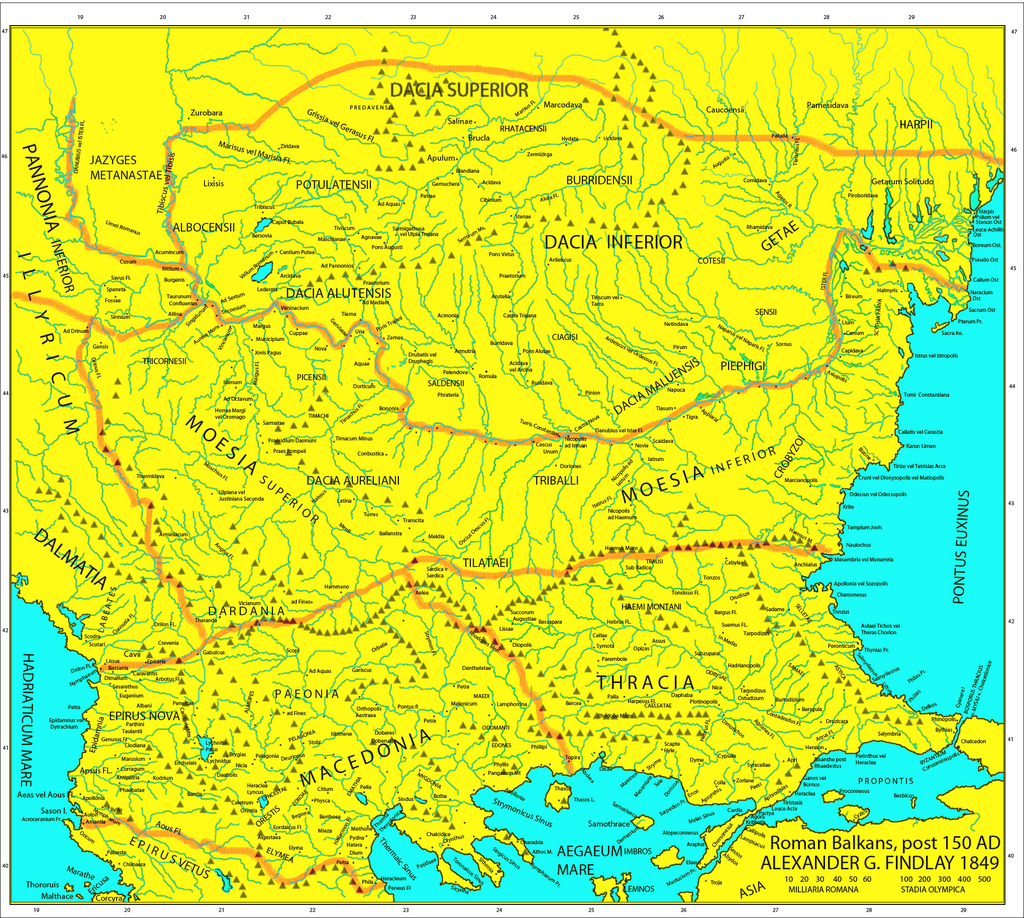
Philippi wasn't just another city in ancient Macedonia. It was a Roman colony, a piece of Rome transplanted onto Greek soil. This unique status shaped every aspect of its life, from its laws and language to the attitudes of its people. To understand Philippi, we have to go back to a pivotal moment in Roman history.
In 42 BCE, the plains outside Philippi hosted one of the most famous battles of the ancient world. Here, the forces of Octavian (the future Emperor Augustus) and Mark Antony decisively defeated Brutus and Cassius, the assassins of Julius Caesar. The victory was so significant that Octavian refounded the city, settling many of his veteran soldiers there. It became a military outpost and a symbol of Roman power in the region.
Colony
noun
A settlement established by a state in a foreign territory. In the Roman context, colonies were often populated by retired soldiers who were granted land and Roman citizenship, serving to Romanize the surrounding area.
Living Under Roman Law
Being a colony meant Philippi was governed by Roman law, not local Greek customs. Its citizens enjoyed special privileges, including, for many, the rights of Roman citizenship. This was a source of immense civic pride. They were Romans, living in Macedonia.
The city's government mirrored Rome's. It had its own magistrates, often called duumviri, who acted like mayors, and a city council filled with the local elite. Latin was the official language for law and government, even though the common tongue in the streets was Greek. This created a society with a distinct Roman overlay on top of a Greek and Thracian foundation.
Socially, the descendants of the original Roman veterans formed the upper class, holding power and wealth. Below them were native Greeks, Thracians, and a diverse mix of traders and craftspeople from across the empire.
Gods, Cults, and Commerce
The religious landscape of Philippi was as diverse as its population. Alongside the traditional Greek gods like Zeus and Artemis, the Roman colonists brought their own deities. The imperial cult, which involved the worship of the Roman emperor as a divine figure, was particularly important. Participating in the imperial cult was a way to show loyalty to Rome and was often tied to civic life and advancement.
Mysterious local Thracian cults also persisted, and gods from Egypt, like Isis and Serapis, found followers here. This mix of religions meant the city was a vibrant, and sometimes tense, spiritual marketplace.
Economically, Philippi was strategically important. It sat on the Via Egnatia, the major Roman road that connected the eastern provinces to Italy. This made it a hub for trade and travel. The region was also known for its gold mines, which had been a source of wealth since the time of Philip II of Macedon, the city's original founder.
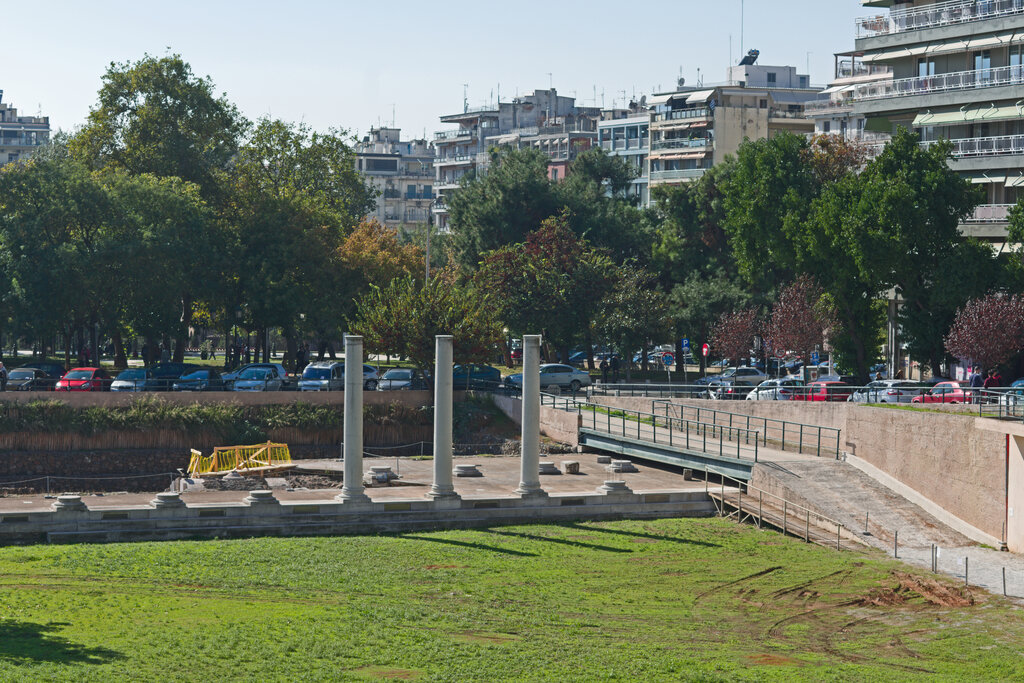
This combination of Roman pride, legal privilege, and economic activity created a confident, busy, and complex city. Its inhabitants were deeply invested in their identity as Romans, and they valued order, law, and loyalty to the empire. It's this specific environment that forms the backdrop for the early Christian community that would eventually take root there.
What major historical event led to Philippi being refounded as a Roman colony in 42 BCE?
For the citizens of Philippi, what was a primary source of their civic pride and identity?