Patient Partner in Dialysis Care
Introduction to Dialysis
What is Dialysis?
Dialysis is a medical treatment that takes over the job of the kidneys when they can no longer function properly. Think of it as an artificial filtering system. Its main purpose is to remove waste products and excess fluid from the blood, helping to keep the body in balance.
Dialysis is a medical procedure that works as an artificial kidney.
When someone's kidneys fail, harmful wastes and fluids build up in their body. This can lead to serious health problems. Dialysis steps in to perform the essential cleaning tasks that healthy kidneys would normally handle.
When Kidneys Can't Keep Up
Healthy kidneys are remarkable organs. They work around the clock to filter your blood, removing waste products like urea and creatinine, and balancing levels of minerals like sodium and potassium. They also control blood pressure and help make red blood cells. All the filtered waste and extra water leave your body as urine.
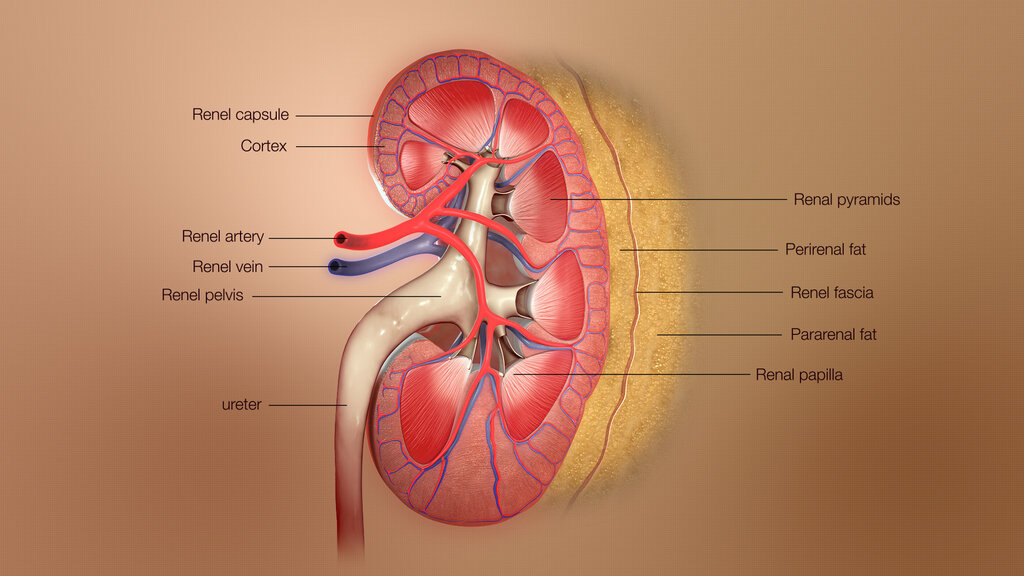
Kidney failure, also called end-stage renal disease (ESRD), occurs when the kidneys have lost most of their ability to function. This is typically a gradual process. When kidney function drops below a certain level, usually around 10-15% of normal function, the body can't clean itself effectively. At this point, dialysis or a kidney transplant becomes necessary to sustain life.
Without functioning kidneys or a substitute like dialysis, waste products in the blood would rise to toxic levels.
The Two Main Paths
There are two primary types of dialysis, and the choice between them depends on a patient's medical condition, lifestyle, and personal preference. Both methods achieve the same goal of cleaning the blood, but they do it in very different ways.
Hemodialysis
noun
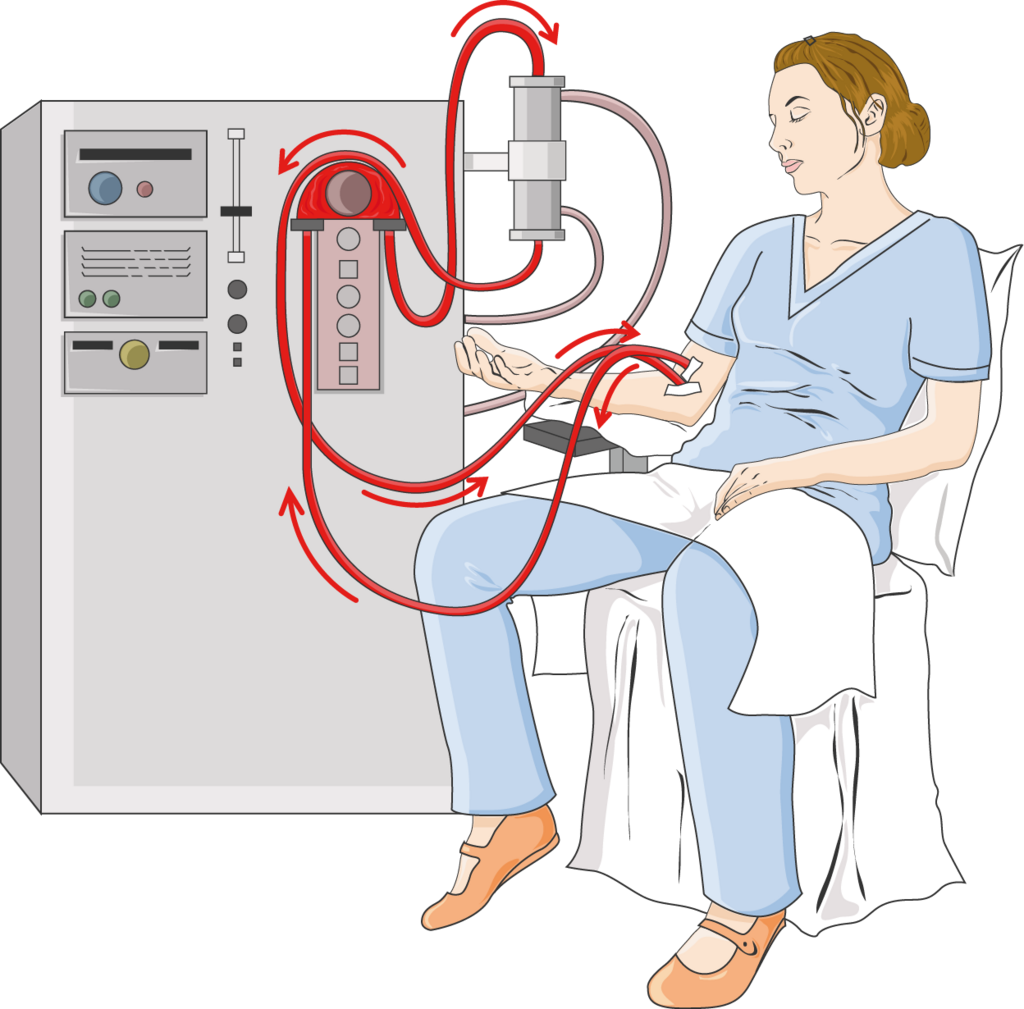
A process where blood is filtered outside the body using a machine and an artificial kidney, called a dialyzer.
In hemodialysis (HD), blood is drawn from the body, usually from the arm, and passed through a machine. Inside the machine, the blood flows through a special filter called a dialyzer. The dialyzer cleans the blood by removing waste and extra fluid before the clean blood is returned to the body. This process is typically done at a dialysis center three times a week, with each session lasting about three to four hours. Some patients are trained to perform hemodialysis at home.
Peritoneal Dialysis
noun
A process where the lining of the abdomen (peritoneum) is used as a natural filter to clean the blood inside the body.
Peritoneal dialysis (PD) works differently. A soft tube, called a catheter, is surgically placed in the abdomen. A cleansing solution called dialysate is then introduced into the abdominal cavity through this catheter. The lining of the abdomen, the peritoneum, has many tiny blood vessels and acts as a natural filter. Waste products and excess fluid pass from the blood into the dialysate. After a few hours, this fluid is drained out and replaced with fresh solution. This exchange process is usually done at home, either manually several times a day or automatically by a machine overnight while the patient sleeps.
| Feature | Hemodialysis (HD) | Peritoneal Dialysis (PD) |
|---|---|---|
| Location | Usually a clinic; sometimes at home | Almost always at home |
| Mechanism | Blood filtered by a machine | Blood filtered inside the body |
| Frequency | Typically 3 times a week | Daily (or nightly) |
| Access | Needles into a fistula or graft | Catheter in the abdomen |
Life on Dialysis
Living with kidney failure and undergoing dialysis presents significant challenges. It's a life-altering treatment that requires major adjustments. Patients often feel tired, especially after hemodialysis sessions, as the process can be draining on the body.
One of the biggest hurdles is managing diet and fluid intake. Patients must strictly limit their consumption of potassium, phosphorus, sodium, and fluids to prevent them from building up between treatments. This means carefully planning every meal and drink, which can be a constant source of stress.
Beyond the physical aspects, there's a significant emotional and psychological impact. The time commitment for treatment can interfere with work, school, and social activities. Many patients grapple with feelings of dependence on a machine, loss of freedom, and anxiety about their health. Support from family, friends, and healthcare teams is crucial for navigating these challenges.
Now, let's review the key terms we've covered.
Ready to check your understanding? Give these questions a try.
What is the primary function of dialysis?
At what point does kidney failure typically require a patient to start dialysis or consider a transplant?
Understanding these basics provides a strong foundation for supporting patients and improving dialysis services. It's the first step in making a meaningful difference in the lives of those with kidney failure.