Pathways to Prosperity
Financial Literacy
Your Financial Starting Point
Before you can build wealth, you need a clear picture of your current financial situation. Think of it as a financial health check-up. The first step is to understand what comes in and what goes out. This boils down to two simple categories: income and expenses.
Income is all the money you receive. This includes your salary from a job, any side hustle earnings, or payments from investments. It's the total amount of money flowing into your accounts over a period, like a month or a year.
Expenses are everything you spend money on. We can group these into needs and wants. Needs are essentials like housing, food, and transportation. Wants are non-essentials that improve your quality of life, like entertainment, dining out, or hobbies. Tracking both is crucial for seeing where your money truly goes.

Once you have a handle on income and expenses, you can calculate your net cash flow. It's a simple formula:
Income - Expenses = Net Cash Flow
A positive number means you have money left over, which you can save or invest. A negative number means you're spending more than you earn, a situation that isn't sustainable.
Giving Your Money a Job
A budget is simply a plan for your money. It's not about restricting yourself; it's about empowerment. A budget gives you control by telling your money where to go, instead of wondering where it went. By creating a plan, you ensure your spending aligns with your priorities.
There are many ways to budget. One popular and simple method is the 50/30/20 rule. It divides your after-tax income into three categories.
To start, track your spending for a month. You can use a dedicated app, a spreadsheet, or just a notebook. The key is to be honest and thorough. Once you know where your money goes, you can adjust your spending to fit your budget and start directing more toward your financial goals.
Setting Your Financial Compass
A budget helps you manage your money day-to-day, but goals give you direction for the future. Without clear goals, it’s hard to stay motivated. Setting financial goals is like choosing a destination on a map; it makes the journey purposeful.
Effective goals are more than just vague wishes like "I want to be rich." They need to be concrete and actionable. The SMART framework is a great tool for setting powerful goals.
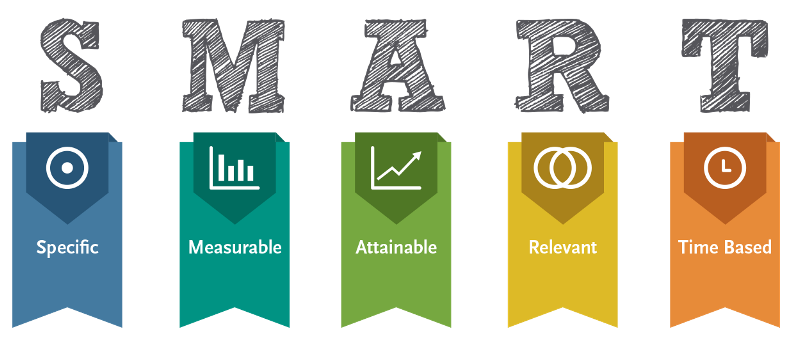
Here’s what SMART stands for:
- Specific: Clearly define what you want to achieve. Instead of "save more money," try "save 💲5,000 for a down payment on a car."
- Measurable: You need a way to track your progress. A specific dollar amount makes a goal measurable.
- Achievable: Is the goal realistic given your income and expenses? Setting an unattainable goal leads to frustration. Start with something you can reasonably accomplish.
- Relevant: Does this goal matter to you? It should align with your values and long-term plans.
- Time-bound: Give yourself a deadline. "Save 💲5,000 in the next 12 months" is much more effective than an open-ended goal.
Setting SMART goals for the short-term (like building an emergency fund) and long-term (like retirement) provides a roadmap. It turns abstract dreams into a series of concrete steps, making the process of building wealth feel much more manageable.
What is the correct formula for calculating Net Cash Flow?
What is the primary purpose of creating a budget?
Understanding and managing your money is the bedrock of financial security. By creating a budget and setting clear, actionable goals, you build a strong foundation for your financial future.