Pathophysiology and Genesis of Tetanus
C. tetani Germination
The Silent Wait
Clostridium tetani spores are masters of survival. They can lie dormant in soil, dust, or manure for years, completely inactive. They are like microscopic seeds, protected by a tough outer coat, waiting for the perfect conditions to grow. Unlike a plant seed that needs water and sunlight, a C. tetani spore needs a very specific, and rather grim, environment to awaken: a place with almost no oxygen.
Crafting the Anaerobic Niche
For a C. tetani spore to germinate, it must land in an anaerobic microenvironment. This is a tiny pocket of tissue where oxygen is scarce. The key measure here is the , or Eh. A low Eh indicates an environment that is chemically reducing, meaning it's ready to donate electrons, a state that is hostile to oxygen-breathing organisms but perfect for anaerobes like C. tetani.
How does such an oxygen-depleted zone form inside the body? The answer usually lies in tissue damage. A deep puncture wound from a rusty nail, a splinter, or any injury that introduces spores deep into the tissue is a classic scenario. This kind of wound creates , the death of body tissue. Necrotic tissue has a poor blood supply, and since blood is what carries oxygen, these areas naturally become anaerobic.
Often, C. tetani gets help. The initial wound can be contaminated with other, less picky bacteria. Aerobic bacteria (oxygen-lovers) that are introduced along with the spores will rapidly consume any remaining oxygen in the area. This teamwork, where one microbe creates an environment for another to thrive, is a form of . The aerobic bacteria essentially set the stage, and C. tetani takes the lead role once the lights go out.
Biochemical Triggers
Once the environment is dark and oxygen-free, the final step is a biochemical wake-up call. The spore is equipped with receptors that detect specific molecules in its surroundings. When damaged tissues break down, they release nutrients like amino acids and nucleotides. Certain of these, such as L-alanine and L-arginine, act as potent signals, or germinants.
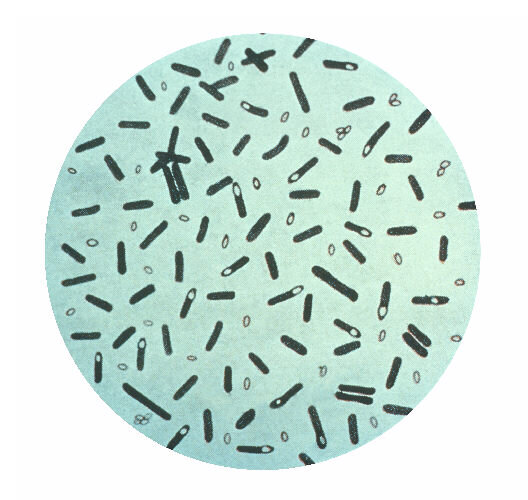
When these germinants bind to the spore's receptors, they initiate a cascade of events. The spore's tough outer layers are shed, its core rehydrates, and its metabolism fires up. The dormant spore awakens and becomes a vegetative cell. This new cell can now move, multiply, and, most importantly, begin producing the powerful neurotoxin that causes tetanus.
Now let's check your understanding of how these resilient spores come back to life.
What is the primary environmental condition required for a Clostridium tetani spore to germinate?
How can the presence of aerobic (oxygen-loving) bacteria in a wound actually help C. tetani spores to germinate?
In essence, the germination of a C. tetani spore isn't a random event. It's a highly specific response to a perfect storm of conditions: a deep wound, dead tissue, low oxygen, and the right chemical cues.