Path to USPSA Grand Master
Firearm Safety
The Four Rules
Before you ever pick up a firearm, you need to commit four rules to memory. These aren't just suggestions; they are the foundation of safe gun handling. They apply everywhere, at all times, with no exceptions. Think of them as a permanent mindset, not just a checklist for the shooting range.
- Treat all guns as if they are always loaded.
This is the most important rule. Never assume a firearm is unloaded. Even if you've just checked it yourself, treat it as if it could fire. This single habit prevents the vast majority of accidental discharges. When someone hands you a firearm, you should always check its status for yourself.
- Never let the muzzle cover anything you are not willing to destroy.
The muzzle is the end of the barrel where the bullet exits. You must always be conscious of where it's pointing. Keep it aimed in a safe direction, which typically means downrange, at the ground, or straight up, depending on the situation and range rules. This is called muzzle discipline, and it’s a critical sign of a safe shooter.
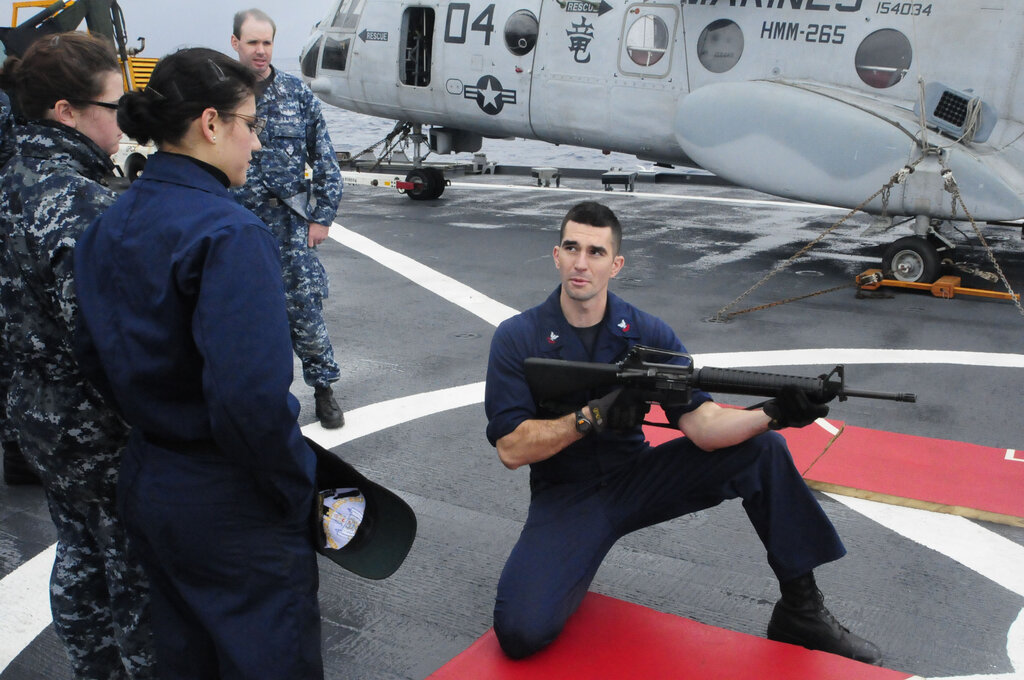
Imagine a laser beam shooting out of the barrel at all times. You wouldn't want that laser to cross over your foot, another person, or anything else you value. The same principle applies to your firearm's muzzle.
- Keep your finger off the trigger until your sights are on the target.
Your trigger finger should rest straight along the side of the firearm, completely outside the trigger guard, until you have made the decision to shoot. Guns don't fire themselves; a finger has to press the trigger. This rule ensures that even if you stumble or are startled, you won't fire a shot accidentally.
- Be sure of your target and what is beyond it.
A bullet won't stop until it hits something that can absorb its energy. You must be absolutely certain of what you are shooting at. Just as important, you must know what is behind your target. Bullets can pass through targets or miss them entirely, and you are responsible for where they end up. Never shoot at a sound, a movement, or a target you can't clearly identify.
Handling and Storage
Safe gun ownership extends beyond the shooting range. How you handle and store firearms at home or during transport is just as important as your conduct while shooting.
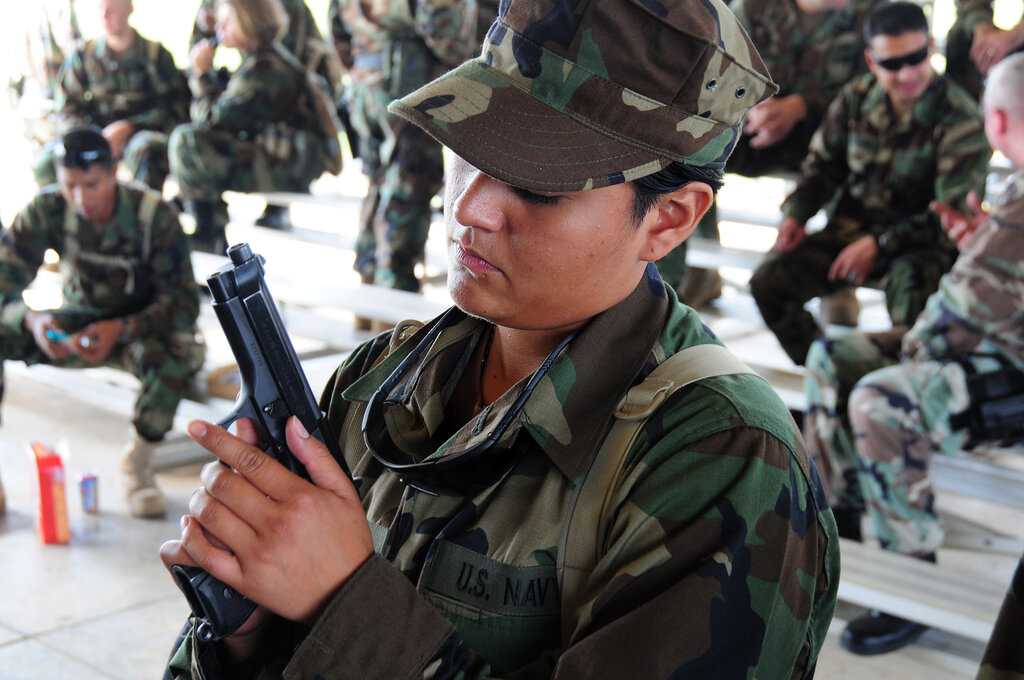
When handling a firearm for any reason—cleaning, transporting, or storing—always begin by making sure it is unloaded. This involves removing the magazine, opening the action, and visually and physically inspecting the chamber to confirm it is empty. Only then is it safe to proceed.
Proper storage is about preventing unauthorized access. This means keeping firearms away from children, untrained individuals, or anyone who should not handle them. The best practice is to store your firearms in a locked container, such as a gun safe or a lockbox. For an extra layer of security, store ammunition in a separate, locked container. Trigger locks and cable locks are also effective tools that render a firearm inoperable.
Safety in Shooting Sports
In a dynamic environment like a shooting competition, safety rules become even more critical. You are not just responsible for yourself, but also for the safety of everyone around you. Every organized shooting sport is built on a strict foundation of safety protocols.
Safety should always be your top priority when handling firearms.
At any shooting range or match, you will encounter Range Safety Officers (RSOs). Their job is to enforce the rules and ensure a safe environment for all participants. Always listen to their commands immediately and without question. Common commands include "cease fire," which means to stop shooting instantly, unload your firearm, and wait for further instructions.
Personal protective equipment is mandatory. This always includes eye and ear protection. Safety glasses protect your eyes from ejected casings and fragments, while earplugs or earmuffs protect your hearing from the damaging sound of gunfire. Following the rules isn't just about compliance; it's about creating a culture of respect and responsibility that allows everyone to enjoy the sport safely.
What is the most accurate description of the four fundamental rules of gun safety?
An experienced friend has just unloaded their firearm in front of you and hands it to you. What should be your first action upon receiving it?
Mastering these safety fundamentals is the first and most important step in becoming a responsible shooter.