Path to the Sommelier Pin
Systematic Tasting Proficiency
From Preference to Precision
Casual wine tasting ends with a simple verdict: “I like it,” or “I don’t.” Professional analysis begins with a question: “What is it?” To answer that, you need a repeatable method that strips away personal preference and focuses on objective, measurable qualities. This is the purpose of the (SAT), the framework used by organizations like the WSET and the Court of Master Sommeliers (CMS) to create a universal language for wine.
The tasting exam is designed to test your ability to accurately assess a wine using the correct vocabulary and structure.
Think of it as moving from being a fan in the stands to being a scout with a clipboard. The fan cheers; the scout analyzes form, speed, and technique. The SAT is your clipboard. It forces you to break a wine down into its structural components and aromatic profile, allowing you to deduce its origin, quality, and aging potential with logical precision.
Deconstructing the Structure
The backbone of any wine is its structure. These are the elements you feel more than you taste: acidity, tannin, alcohol, and body. Your job isn't just to notice them, but to quantify them on a consistent scale, typically Low, Medium-, Medium, Medium+, and High.
| Component | How to Assess It | The Scale |
|---|---|---|
| Acidity | The mouth-watering sensation on the sides of your tongue. | Low (flabby) to High (sharp) |
| Tannin | The drying, astringent feeling on your gums and teeth. | Low (smooth) to High (grippy) |
| Alcohol | The warming sensation in the back of your throat and chest. | Low (<11% ABV) to High (>14% ABV) |
| Body | The overall weight and viscosity of the wine in your mouth. | Light (like water) to Full (like cream) |
For tannin, the analysis goes deeper than just its level. You must also describe its quality. Are the tannins fine-grained and silky, like brushed suede? Or are they coarse and grainy, like rough sandpaper? This distinction often points toward grape variety, ripeness, and winemaking technique. A wine with high but silky tannins is very different from one with high, aggressive tannins.
The Aromatic Story
Aromas tell a wine's life story, from the vineyard to the bottle to the cellar. Professional tasters group these aromas into three categories to understand that story.
Primary Aromas: These come directly from the grape and the terroir. They include fruits (lemon, blackberry), flowers (rose, violet), and herbs (mint, bell pepper). A young Sauvignon Blanc bursting with grapefruit and grass is all about primary notes.
Secondary Aromas: These are created during the winemaking process. Think of the buttery notes from , the vanilla from new oak barrels, or the bread dough scent from lees aging in Champagne. These aromas tell you about the winemaker's choices.
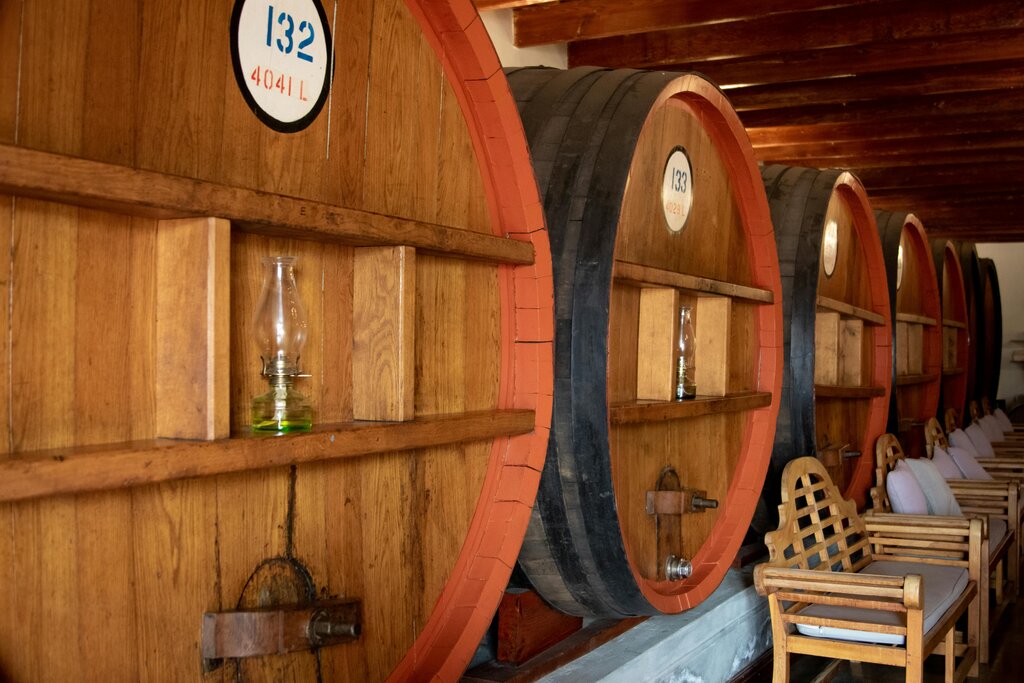
Tertiary Aromas: These develop over time in the bottle, through slow, controlled exposure to oxygen and other chemical reactions. These are the complex, savory notes of leather, mushroom, forest floor, dried fruit, and tobacco. They signal a mature wine that has evolved beyond its youthful fruitiness.
The Quality Ladder
Once you've dissected the wine, you must reassemble the parts to make a final quality assessment. This isn't about whether you like it; it’s an objective judgment based on a four-letter framework: (Balance, Length, Intensity, and Complexity). A wine that scores highly in all four areas is, by definition, a high-quality wine.
Finally, all this analysis is captured in a technical tasting note. This note is not poetic prose; it is a structured, concise document that follows the SAT grid exactly. It should be clear enough for another professional to read it and form an accurate mental picture of the wine's structure, aromas, and quality level without ever tasting it. Mastering this skill is non-negotiable for any certification exam.
What is the primary goal of the Systematic Approach to Tasting (SAT) in wine analysis?
Which of the following is an example of a secondary aroma?
This methodical approach transforms tasting from a hobby into a science. Consistent practice calibrates your palate, builds your sensory memory, and ultimately makes you a more precise and confident wine professional.