Path to Pro Basketball
Physical Conditioning
Building an Elite Body
Talent and skill can take you far in basketball, but they're only half the story. Your body is the engine that powers every move on the court. To compete at a high level, you need a body built for the demands of the game: explosive, resilient, and tireless. This isn't just about being in shape; it's about targeted physical conditioning focused on strength, endurance, and agility.
Strength and Power
Basketball strength isn't about looking like a bodybuilder. It's about functional power that translates directly to the court. Think about boxing out a bigger opponent, absorbing contact on a drive to the hoop, or exploding upwards for a rebound. That requires a strong core, powerful legs, and a stable upper body.
A good strength program focuses on compound exercises, which work multiple muscle groups at once. These movements mimic the way your body works in a game.
Key strength exercises include squats, deadlifts, lunges, and overhead presses. These build the foundational power needed for jumping, sprinting, and defending.
Your legs are your foundation. Squats and lunges build the strength needed for a higher vertical jump and quicker first step. Your core, which includes your abs and lower back, is the link between your upper and lower body. A strong core provides stability for shooting and helps you stay balanced through contact. Exercises like planks and medicine ball twists are crucial.
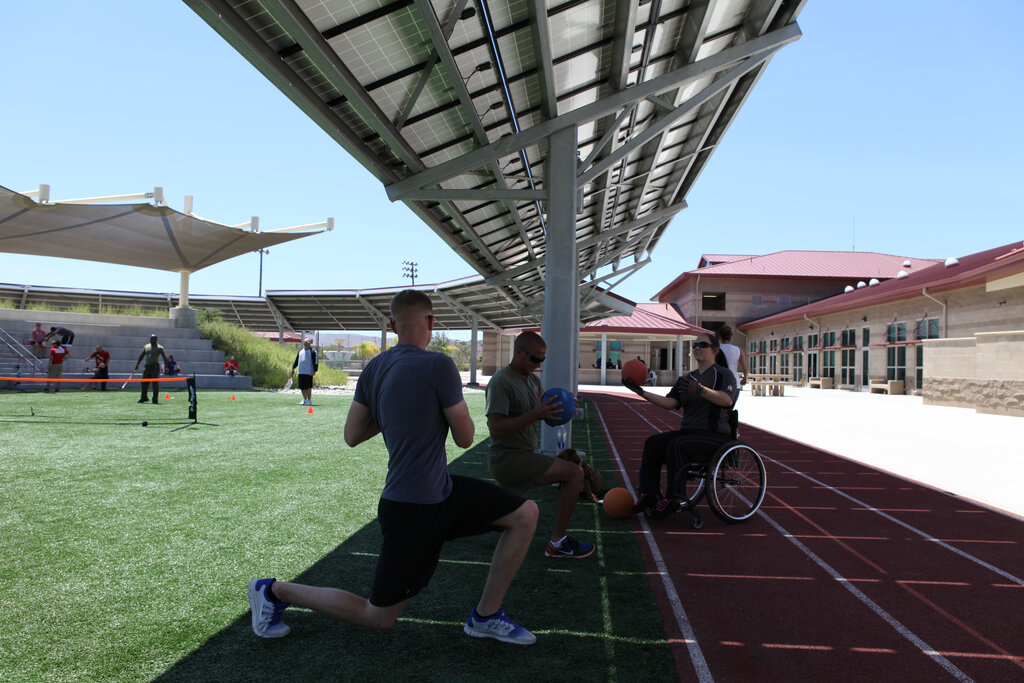
Finally, don't neglect your upper body. While you don't need massive biceps, strength in your chest, shoulders, and back helps with passing, defending, and finishing at the rim.
Cardio and Agility
A basketball game is a series of short, intense sprints with very little rest. Your cardiovascular system needs to be able to handle that constant stop-and-go action for an entire game. If you're winded in the fourth quarter, your skills will suffer.
Long, slow jogs have their place, but basketball conditioning should focus on interval training. This involves alternating between high-intensity bursts of effort and short recovery periods.
A great basketball cardio drill is the “suicide” sprint. Sprinting to different lines on the court and back mimics the pace of a real game and builds incredible endurance.
Agility is just as important. It's your ability to change direction quickly without losing speed or balance. This is what allows you to stay in front of your opponent on defense or create space on offense. Agility drills often use cones or ladders to force you to make sharp cuts and quick foot movements.
Plyometrics are another key component. These are explosive exercises like box jumps and jump squats designed to increase your vertical leap and explosive power. They train your muscles to produce maximum force in minimum time, which is the essence of athletic movement.
Staying Healthy
The best ability is availability. All the training in the world is useless if you're stuck on the sidelines with an injury. Injury prevention should be a core part of your conditioning program.
Every session should start with a dynamic warm-up. This isn't about static stretching. It's about moving your body through a full range of motion to get your blood flowing and muscles ready for work. Think high knees, butt kicks, and walking lunges.
After your workout, it's time for recovery. This includes static stretching, where you hold a stretch for 20-30 seconds. Foam rolling can also help release muscle tightness. And don't underestimate the power of sleep. Your body repairs and rebuilds itself while you rest.
Finally, listen to your body. Overtraining is a major cause of injury. It's better to take a planned rest day than to be forced to take a month off because of an injury.
This system will show you how to design programs that ensure your athletes make progress and train to their fullest potential while reducing risk of injury and fatigue.
What you eat and drink is the fuel for all this hard work. Think of your body as a high-performance car; you can't put cheap gas in it and expect it to run well.
Focus on a balanced diet of lean proteins, complex carbohydrates, and healthy fats. Protein helps rebuild muscle, carbs provide energy, and fats support overall health. Stay hydrated by drinking water consistently throughout the day, not just when you feel thirsty. During intense workouts, you may also need drinks with electrolytes to replace what you lose through sweat.
For a basketball player, what type of strength training exercise is most effective for translating power to the court?
To best prepare for the stop-and-go nature of a basketball game, a player's cardiovascular conditioning should prioritize...
Building a body for basketball is a marathon, not a sprint. Consistency is what separates good athletes from great ones. By dedicating yourself to a smart conditioning program, you give yourself the physical foundation needed to let your skills shine.