Path to Ordination in the Church of God in Christ
COGIC Polity and Manual
COGIC Polity and Structure
Every organization needs a rulebook. For the Church of God in Christ (COGIC), that rulebook is the Official Manual, often called the “Blue Book.” This document is more than just a guide; it’s the constitution of the denomination. It outlines the entire administrative and ecclesiastical governance structure, providing the legal and spiritual framework for every officer and member.
The Manual establishes a clear, top-down governance model. Unlike some denominations where local churches are fully autonomous, COGIC operates with a hierarchical structure. This ensures doctrinal consistency and unified action across thousands of churches worldwide. Think of it as a pyramid, with each level of leadership accountable to the one above it.
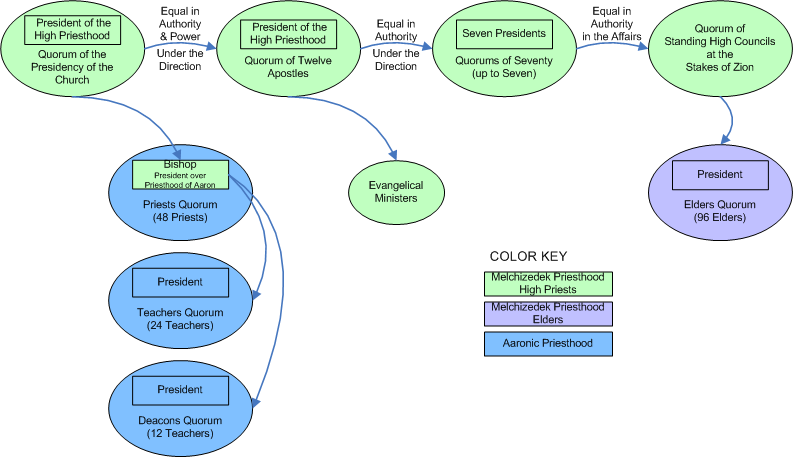
The National Hierarchy
At the top of the pyramid is the General Assembly, the supreme legislative body of the church. It is the ultimate authority, composed of all credentialed elders, bishops, and other delegates. When the General Assembly convenes, its decisions and enactments are binding on the entire denomination.
Executing the will of the General Assembly is the General Board, a twelve-member body of bishops elected to serve as the church's executive branch. They manage the denomination's affairs between sessions of the General Assembly. The leader of the General Board, and the entire church, is the . This individual is the chief executive officer, holding significant spiritual and administrative authority. The Presiding Bishop presides over the General Board and the General Assembly and serves as the primary spiritual leader and visionary for the church.
The entire structure, from the local pastor up to the Presiding Bishop, is designed to maintain a connectional system where every part is accountable to the whole.
Legal Foundations
The legal identity of COGIC is rooted in its , first filed in 1926. This foundational document legally established the Church of God in Christ as a corporate body, giving it the ability to own property, enter into contracts, and operate as a unified national entity. It provides the legal backbone for the ecclesiastical structure described in the Manual.
This corporate structure has a direct impact on local churches. A local COGIC church is not a legally independent entity. Instead, it is a subordinate part of the national corporation. All church property is held in trust for the national body. This means that if a local congregation decides to leave the denomination, it cannot take the church property with it. This legal arrangement reinforces the top-down polity and ensures the assets of the church remain within the denomination.
Let's review the key terms of COGIC's structure.
Now, check your understanding of how the church operates.
What is the common name for the Official Manual that serves as the constitution for the Church of God in Christ?
Which body holds the ultimate legislative authority in the Church of God in Christ?
Understanding this framework is key to navigating the administrative life of the Church of God in Christ. The Official Manual provides the blueprint for a connectional church bound by both spiritual and legal authority.