Path to Inner Peace and Clarity
Understanding Shadow Work
Meeting Your Shadow
There are parts of ourselves we know well. These are the traits we show the world and the thoughts we think every day. But beneath this conscious surface lies a hidden realm: the unconscious mind. Swiss psychiatrist Carl Jung developed a map of this inner world, and one of its most important territories is what he called the “shadow.”
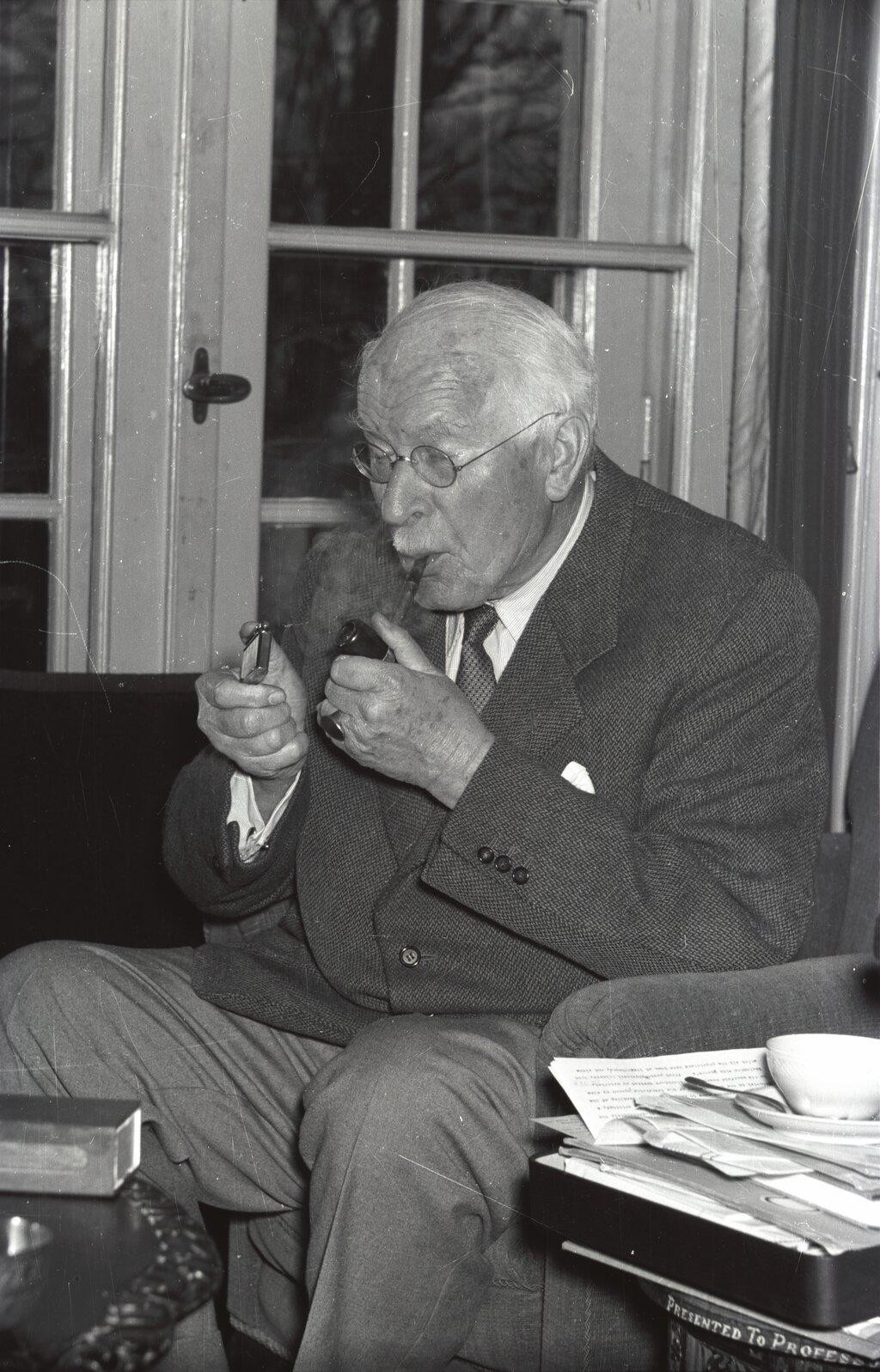
The shadow is the part of your personality that you don’t consciously identify with. Think of it as a psychological blind spot. It contains all the thoughts, feelings, desires, and traits that you’ve pushed away, often because they felt unacceptable to your family, friends, or society. This can include things like anger, jealousy, or greed. But it can also hold positive qualities that you were taught to suppress, such as creativity, assertiveness, or ambition.
Your shadow isn't necessarily evil or bad. It's simply the unknown side of yourself.
The Purpose of Shadow Work
Because the shadow is unconscious, we don’t see it in ourselves. Instead, we often see it in other people. This is called projection. When you have a strong, irrational reaction to someone—either positive or negative—it's often a sign that they are reflecting a part of your own shadow back at you.
Shadow work is the process of exploring these hidden parts of yourself. It involves turning your attention inward to acknowledge, understand, and ultimately accept the pieces of your personality you've disowned. It's not about eliminating the shadow, but about integrating it into your conscious self.
He distinguished the persona, or the image of ourselves that we present to the world, from our shadow, which may be comprised of hidden anxieties and repressed thoughts.
Why Integrate the Shadow?
Engaging with your shadow can be uncomfortable, but it's a vital part of personal growth. When you integrate your shadow, you become more whole and authentic. You stop wasting energy repressing parts of yourself and unlock the potential hidden within them.
For example, someone who has suppressed their anger might discover that it's connected to a powerful sense of justice. A person who has disowned their ambition might find the drive to pursue a long-held dream. By bringing the shadow into the light, you gain a more complete understanding of who you are.
Benefits of shadow work include greater self-awareness, improved relationships, increased creativity, and a stronger sense of personal authenticity.
This journey of integration is what Jung called “individuation.” It's the lifelong process of becoming the most complete version of yourself. Acknowledging your shadow is a foundational first step on that path.