Path to Financial Freedom
Understanding Financial Freedom
What is Financial Freedom?
Financial freedom isn't about being fantastically wealthy. It's about having enough income to pay your living expenses for the rest of your life without having to work full-time. It means your time is truly your own. You can decide to work on projects you love, spend more time with family, or travel the world, all without your primary concern being a paycheck.
Think of it as the point where your money works for you, instead of you working for your money. This shift is powerful. It disconnects your survival from the need to trade your time for a wage, giving you the ultimate control over your life's path. Achieving this isn't about luck; it's about building a solid foundation based on clear principles.
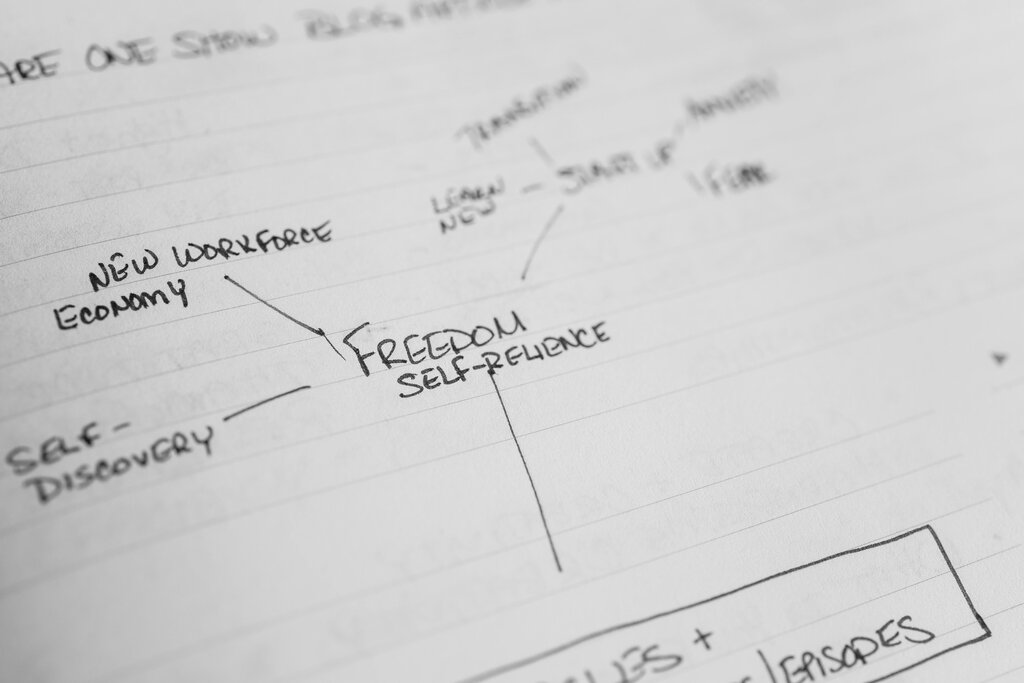
Core Principles
Three core principles underpin the journey to financial independence. They aren't complex, but they do require discipline.
Achieving financial freedom isn’t just about having a fat bank account; it’s about cultivating the right mindset.
First is intentional goal-setting. You need to know what you're working toward. What does your ideal life look like? How much money would it take to sustain that life? Without a clear destination, it’s easy to get lost. Defining your target gives every financial decision a purpose.
Next comes disciplined financial habits. This is the daily work of making your goals a reality. It involves consistently spending less than you earn and saving the difference. It’s about building a routine that automatically moves you closer to your target, transforming a distant dream into an achievable project.
The final principle is the pursuit of passive income streams. This is the engine that ultimately powers financial freedom. By investing your savings into assets that generate income on their own, you build a system that supports you.
Passive Income
noun
Earnings from a rental property, limited partnership, or other enterprise in which a person is not actively involved.
The FIRE Movement
A popular strategy for achieving financial freedom is the FIRE movement, which stands for Financial Independence, Retire Early. The core idea is simple: save and invest aggressively—often 50% or more of your income—to reach financial independence in a much shorter timeframe than the traditional career path allows.
FIRE isn't about not working. It's about having the freedom to choose if, when, and how you work.
Followers of the FIRE movement focus on two main levers: maximizing income and minimizing expenses. The large gap between earning and spending is then invested, typically in low-cost index funds. By accelerating the growth of their investments, they can build a large enough nest egg to live off the returns, allowing them to "retire" from mandatory work decades earlier than their peers.
| Path | Savings Rate | Investment Strategy | Time to Financial Independence |
|---|---|---|---|
| Traditional | 10-15% | Moderate, focused on a 65+ retirement age | 40-50 years |
| FIRE | 50%+ | Aggressive, focused on early retirement | 10-20 years |
The approach isn't for everyone, as it requires significant lifestyle adjustments and discipline. However, its principles of intentional spending, high savings rates, and focused investing are valuable for anyone looking to gain more control over their financial future, regardless of how early they plan to retire.
What is the best definition of financial freedom, according to the text?
The text describes the journey to financial independence as being built on three core principles. Which of the following is NOT one of them?
Understanding these concepts is the first step. Financial freedom is a journey, and it starts with a clear vision of what you want your life to be.