Path of the Frogman
Selection and Conditioning
The Crucible of Conditioning
The first seven weeks of Basic Underwater Demolition/SEAL (BUD/S) training, known as First Phase, are designed to do one thing: select. It's not just a physical fitness test; it's a meticulously engineered filter for a specific psychological profile. This phase systematically breaks down candidates to see who can maintain cognitive function and leadership under extreme duress. The curriculum is straightforward: running in the soft sand, swimming in the cold Pacific, and endless calisthenics, all while wet, sandy, and tired.
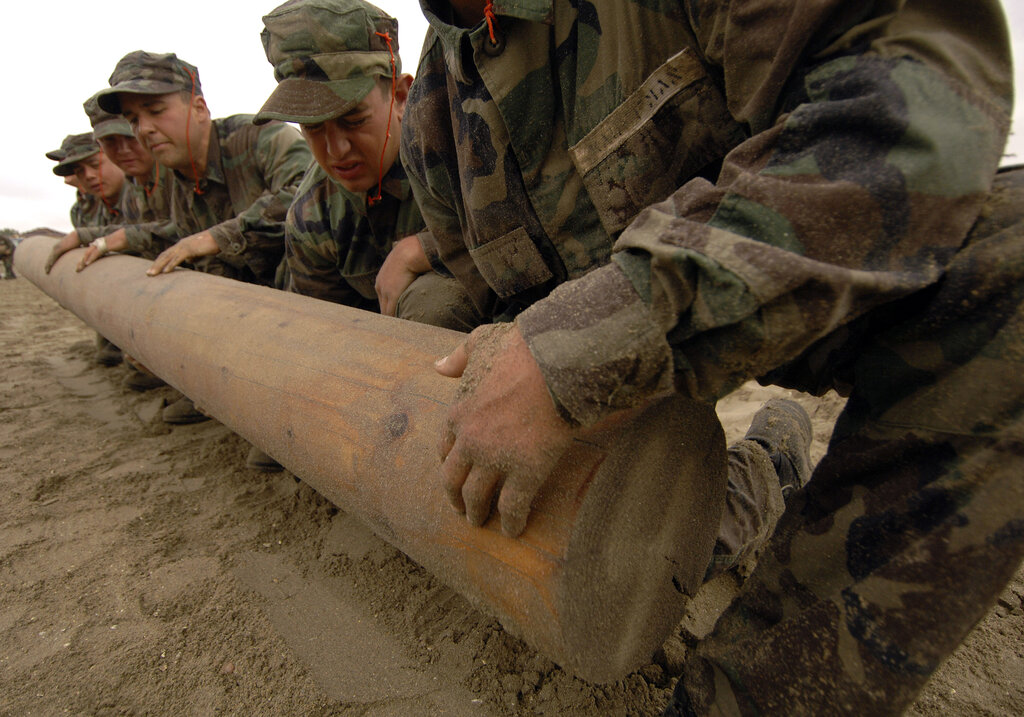
The weekly standards are relentless. Trainees must complete 4-mile timed runs in boots on the sand and 2-mile timed ocean swims. Obstacle course times must continually improve. The goal isn't just to build an athletic base, but to habituate the body and mind to constant, grinding discomfort. This conditioning forges the physical and mental resilience necessary for the trials to come, especially the infamous fourth week.
The Biology of Grit
Success in First Phase isn't just about muscle and willpower. It's deeply rooted in biochemistry. Under the immense stress of training, the body floods with hormones. One is cortisol, the primary stress hormone that mobilizes energy. While useful in short bursts, chronically high levels are destructive. Another hormone, , plays a counter-regulatory role, buffering the negative effects of cortisol and promoting recovery and cognitive function.
Researchers have found that a candidate's DHEA-to-cortisol ratio is a powerful predictor of who will successfully complete BUD/S. Those with a higher ratio are more resilient. They recover faster and think more clearly under pressure. This has led to a shift in understanding performance, where the most successful candidates don't just endure stress—they have a physiological advantage that allows them to thrive in it. They embody a 'stress-is-enhancing' mindset, viewing challenges as opportunities to grow stronger rather than as threats.
Students experience fatigue and hunger and must demonstrate quick, sound decisions and calm, forceful leadership under stressful conditions, according to school officials.
Hell Week
First Phase culminates in the fourth week, known simply as . It is 5.5 days of continuous training with a maximum of four hours of sleep total. This is the heart of the selection process. The relentless cold, hunger, and physical exertion are tools to induce extreme biological stress and sleep deprivation. The true test isn't whether a candidate can stay awake; it's whether they can still lead, think critically, and perform complex tasks when their body is screaming to shut down.
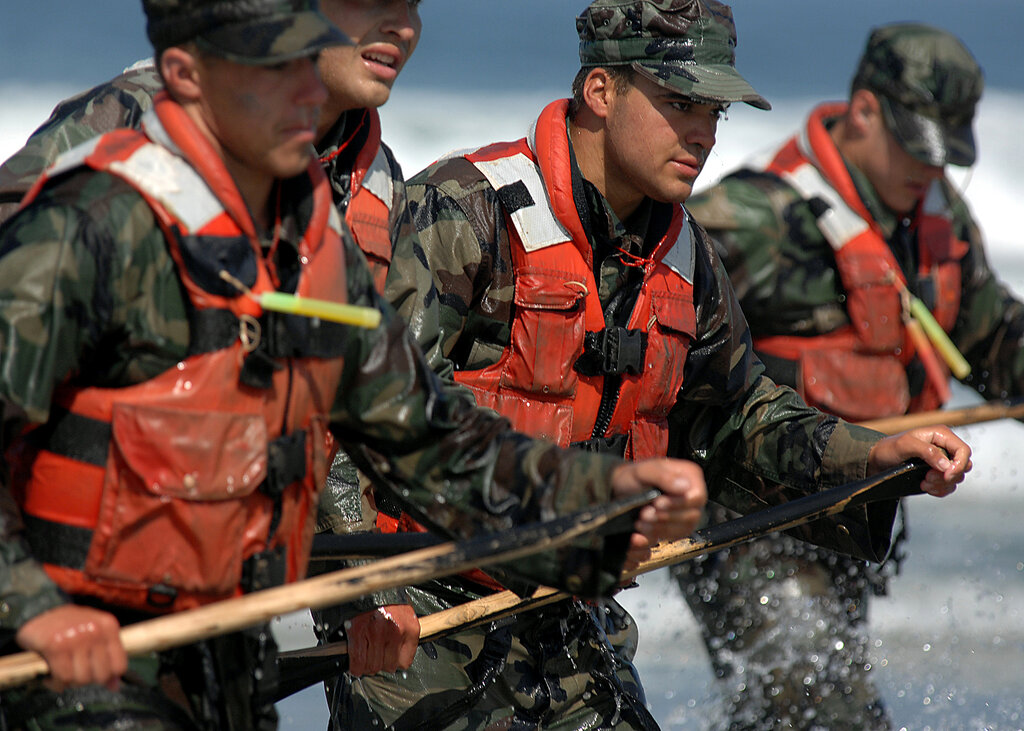
During this week, candidates learn the fundamentals of small-unit tactics and leadership. They are also introduced to basic . This involves mapping coastal areas and underwater topography, a critical SEAL skill. Being forced to learn and apply these technical skills while profoundly sleep-deprived is a powerful diagnostic tool. It quickly reveals who has the cognitive grit to maintain situational awareness and perform effectively in the disorienting environment of real-world special operations.
Here's a simplified table illustrating the structure and focus of the first four weeks, leading up to and including the peak of the conditioning phase.
| Week | Primary Focus | Key Events |
|---|---|---|
| 1 | Acclimatization | Baseline fitness tests, introduction to the obstacle course |
| 2 | Building Endurance | Increased running and swimming distances, Log PT |
| 3 | Intensification | Timed evolutions, performance under fatigue |
| 4 | Hell Week | Peak stress inoculation, leadership and cognitive testing |
What is the primary purpose of the First Phase of BUD/S training?
According to research on BUD/S candidates, which biochemical factor is a strong predictor of successfully completing the training?
Those who successfully navigate First Phase have proven they possess a rare combination of physical stamina and mental fortitude. They have the biological foundation and the psychological grit required to begin learning the specialized skills of a Navy SEAL.