Password Manager Mastery
Understanding Password Security
Your First Line of Defense
Your passwords are the keys to your digital life. They protect everything from your email to your bank account. But if a key is easy to copy or guess, it’s not very useful. That’s the problem with weak passwords.
A weak password is one that's simple and predictable. Think of common choices like password123, 123456, or a pet's name. Using one is like leaving your house key under the doormat. It might feel hidden, but it's the first place a thief will look. Hackers use powerful computers that can try billions of password combinations in seconds. A simple password doesn't stand a chance.
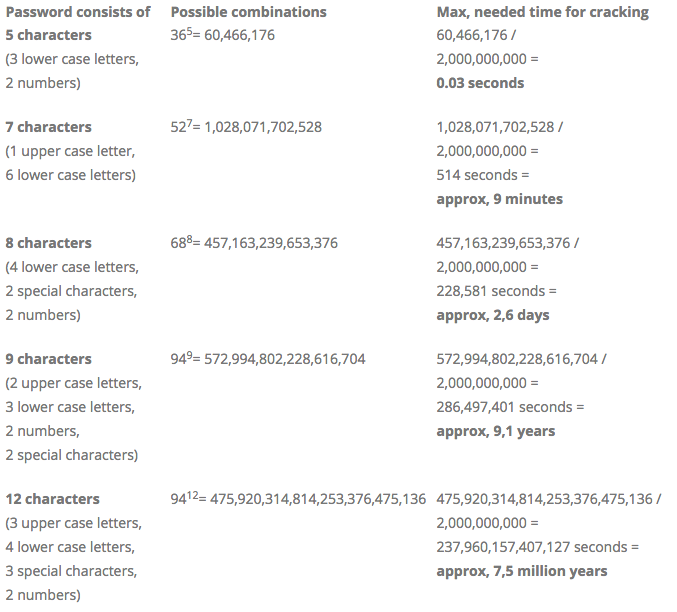
As you can see, a short, simple password can be cracked almost instantly. But a longer, more complex one could take millions of years. That’s the kind of security you want.
What Makes a Password Strong?
A strong password is one that's difficult for both humans and computers to guess. It has three main ingredients: length, complexity, and unpredictability.
- Length: Longer is always better. Each character you add makes a password exponentially harder to crack. Aim for at least 12 characters, but 15 or more is even better.
- Complexity: Use a mix of character types. A strong password includes uppercase letters, lowercase letters, numbers, and symbols (like
!,@,#, or\$). - Unpredictability: Avoid common words from the dictionary, names, and keyboard patterns like
qwerty. The more random your password appears, the stronger it is.
A strong password:
Tr0ub4dor&3A weak password:troubadour1Both have the same length, but the first one mixes character types, making it much harder to guess.
Now, what if one of your accounts gets compromised? Data breaches happen, and when they do, lists of usernames and passwords can leak online. If you use the same password for multiple services, a breach at one site can give attackers the key to all your other accounts. This is why using a unique password for every single account is crucial.
They're taking advantage of one of the most common security mistakes people make online: using the same password in multiple places, said Kevin Gosschalk, founder and CEO of the cybersecurity firm Arkose Labs, which protects companies against online fraud.
Introducing the Passphrase
Remembering a dozen random, complex passwords like j%7biN*pL!8s is nearly impossible for most people. That's where passphrases come in. A passphrase is a sequence of words that’s easy for you to remember but hard for a computer to guess.
The idea is to string together several unrelated words. For example: CorrectHorseBatteryStaple. It's long, which is great for security, but it's also memorable. To make it even stronger, you can mix in capital letters, numbers, and symbols: Correct-Horse-Battery-Staple-99!.
passphrase
noun
A sequence of words or other text used to control access to a computer system, program, or data. It is similar to a password but is generally longer for added security.
Creating a good passphrase involves picking random words that don’t have an obvious connection. Avoid famous quotes or song lyrics, as those are often the first things an attacker will try. The goal is a combination that’s unique to you.
Now, let's test what you've learned about creating strong passwords and protecting your accounts.
What are the three essential characteristics of a strong password?
Which of the following would be considered the strongest password?
By understanding these basics, you've taken a huge first step in securing your digital identity. Strong, unique passwords are your foundation for staying safe online.