Password Manager Mastery
Understanding Password Security
Your First Line of Defense
Think of passwords as the keys to your digital life. They protect everything from your emails and social media to your bank accounts. Just like you wouldn’t use a flimsy, generic key for your front door, you shouldn't use a weak password for your online accounts.
A strong password has three key ingredients: length, randomness, and uniqueness.
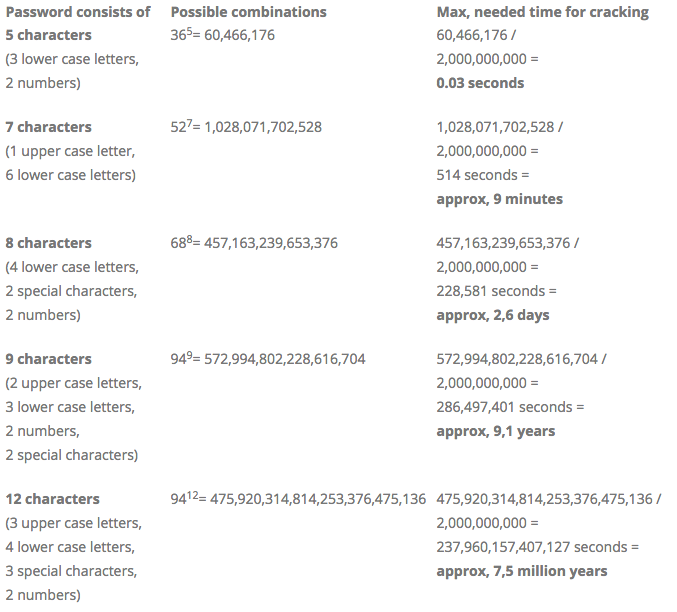
- Length: Longer is always better. Each character you add makes a password exponentially harder to crack.
- Randomness: A mix of uppercase and lowercase letters, numbers, and symbols makes a password unpredictable.
- Uniqueness: A password should be used for only one account. We'll explore why this is so critical in a moment.
It’s hard to overstate the difference a few extra characters can make. A simple, short password can be cracked by a computer in seconds. A long, complex one could take trillions of years.
The Risk of Reusing Passwords
Remembering a unique, complex password for every single online account is practically impossible. As a result, many people reuse the same password, or slight variations of it, across multiple websites. This is one of the biggest security mistakes you can make.
Data breaches happen all the time. When a company's database is hacked, lists of usernames and passwords often leak online. Attackers then take these lists and try the same email and password combinations on other popular sites, like banking, email, and social media. This is called a "credential stuffing" attack.
If you use the same password for a minor forum and your primary email, a breach on that forum could give an attacker the key to your entire digital life.
A Secure and Simple Solution
So how can you possibly create and remember dozens of long, random, unique passwords? You don't have to. A password manager does it for you.
Here’s how it works: you create one strong, memorable "master password" to unlock your password manager. Inside this secure vault, the manager generates and saves a different, incredibly strong password for each of your online accounts. When you need to log in to a site, the manager can fill in the correct credentials for you.
This approach gives you the best of both worlds. You get the ironclad security of using unique, complex passwords for every account, without the impossible task of trying to memorize them all. All you need to remember is your one master password.
Let's check your understanding of these core security concepts.
What are the three key ingredients of a strong password mentioned in the text?
Why is reusing the same password across multiple websites considered a major security mistake?
By using strong, unique passwords and a tool to manage them, you build a powerful defense against the most common online threats.