Password Manager Mastery
Password Fundamentals
The Anatomy of a Strong Password
Think of your password as the key to your digital life. Some keys are flimsy and easy to copy, while others are complex and secure. The difference comes down to three main factors: length, randomness, and uniqueness.
A strong password is long, random, and unique.
Length is the single most important factor. A password that’s only six characters long can often be cracked by a computer in seconds. A 12-character password, however, could take centuries. The longer, the better.
Randomness means avoiding predictable patterns or personal information. Passwords like "password123", "qwerty", or your pet's name are incredibly easy for attackers to guess. A truly random password looks like a jumble of characters, because it is. It shouldn't be a word you can find in the dictionary.
Finally, uniqueness is critical. You need a different password for every single account. If you use the same password everywhere, a security breach at one company could give criminals the key to your entire online world.
Why Weak Passwords Fail
Attackers use automated programs that can try billions of password combinations per second. This is called a brute-force attack. They also use "dictionary attacks," where software cycles through common words, names, and previously leaked passwords. If your password is on one of these lists, your account is an easy target.
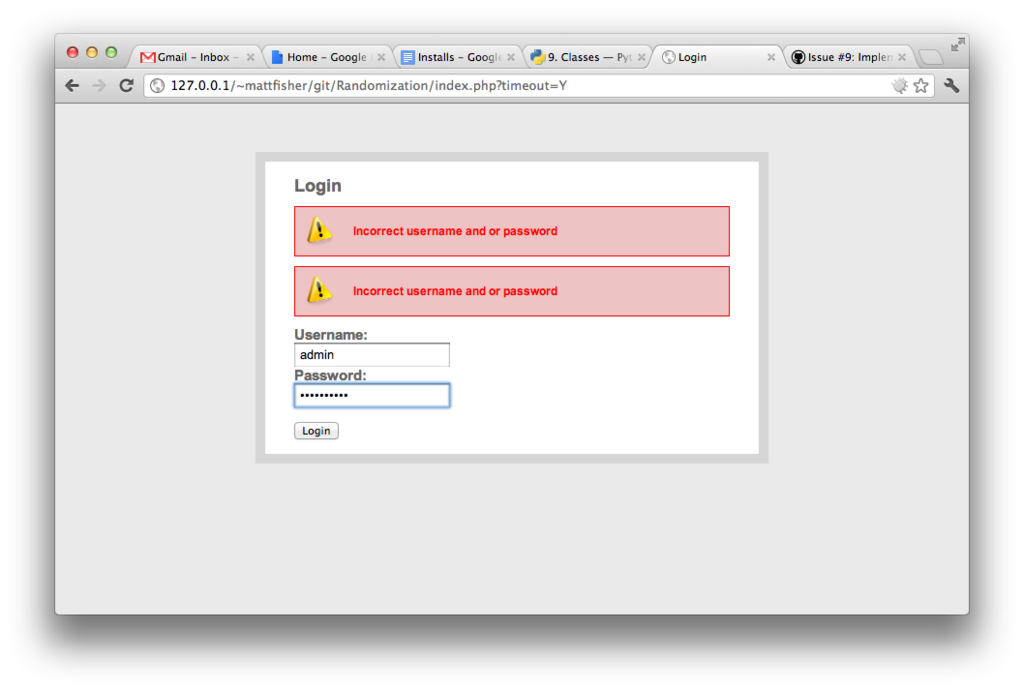
The biggest risk comes from reusing passwords. Let's say you use the same password for your email and a small online forum. If that forum gets hacked, your password is now exposed. Attackers will then take that email and password combination and try it on major sites like your bank, social media, and online stores. This technique, called credential stuffing, is behind countless account takeovers.
Reusing a password is like using the same key for your house, your car, and your office. Once a thief gets that one key, everything you own is at risk.
| Weak Password | Why It's Weak | Stronger Alternative |
|---|---|---|
Fluffy1 | Common pet name, simple number | fL#f!9b$@pZ |
jennifer2005 | Name and birth year | J3n_2k5!R7q& |
qazwsx123 | Keyboard pattern | aQzS#wX*dC^v |
summer | Dictionary word | sUm&^r!p@L9 |
A Simple Trick: The Passphrase
Remembering a dozen random, 16-character passwords is impossible for most people. A better approach is to create a passphrase. This is a sequence of words that is easy for you to remember but hard for a computer to guess because of its length.
For example, think of a memorable but random phrase:
Four-Loud-Lions-Roar-Daily
This passphrase is 28 characters long, making it extremely resistant to brute-force attacks. To make it even stronger, you can mix in numbers, symbols, and varied capitalization.
4-Loud-Lions-Roar-Daily!
4LoudLionsRoarDaily!!
FourLoudL!onsRoarDa!ly
F0ur-L0ud-L1ons-R0ar-Da1ly
By combining four or five random words, you create a long, memorable key that is far more secure than a short, complex password. This method gives you the benefit of length without sacrificing your ability to remember it.