Password Manager Mastery
Understanding Password Security
Your First Line of Defense
Passwords are the keys to our digital lives. They protect everything from emails and bank accounts to photos and private messages. Just like you wouldn't use a flimsy lock on your front door, you shouldn't use a weak password to protect your online accounts. A compromised password can lead to identity theft, financial loss, and a major invasion of privacy.
A strong and unique password is your first line of defense against unauthorized access to your accounts and sensitive information.
Understanding how attackers try to steal passwords is the first step toward creating better ones. It’s not just about someone guessing your pet's name. Cybercriminals use sophisticated, automated tools to crack passwords on a massive scale.
Common Password Threats
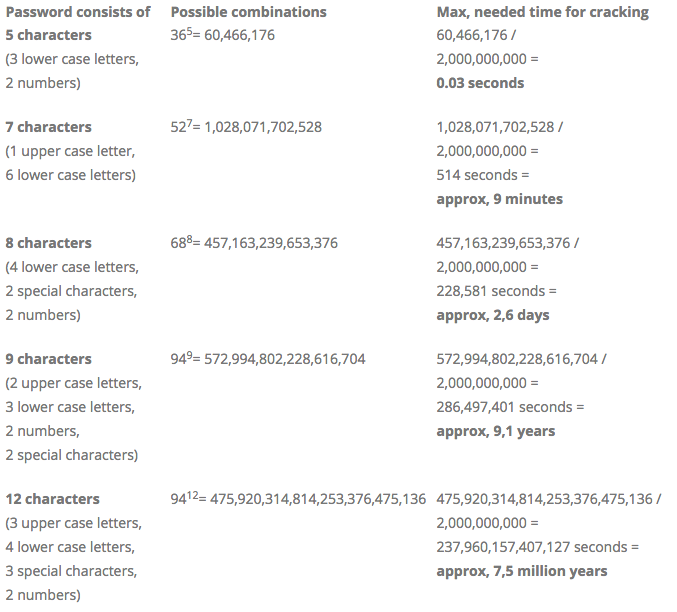
One of the most common methods is a brute-force attack. Imagine a thief trying every possible key combination on a lock until it opens. A brute-force attack is the digital version of this, where a computer program tries millions of password combinations per second. Simple, short passwords like "123456" or "password" can be cracked almost instantly.
Another major threat is credential stuffing. This happens after a data breach at one company exposes a list of usernames and passwords. Attackers take that list and "stuff" the credentials into the login pages of other popular websites, like banking or social media sites. They're betting that you've reused the same password across multiple accounts. If you have, they're in.
They're taking advantage of one of the most common security mistakes people make online: using the same password in multiple places, said Kevin Gosschalk, founder and CEO of the cybersecurity firm Arkose Labs, which protects companies against online fraud.
Building a Better Password
So, what makes a password strong? The two most important factors are length and randomness. A long, unpredictable password is much harder for a computer to guess. But long, random strings of characters are also hard for humans to remember.
This is where passphrases come in. A passphrase is a sequence of words that’s easy for you to recall but difficult for a machine to guess. Instead of trying to remember R&b3!z$9@pL, you could use a passphrase like GreenMonkeysEatTastyWaffles.
Weak Password:
qwert123Strong Passphrase:PurpleGiraffeDrinksIcedTea
The passphrase is much longer, making it exponentially harder to brute-force. While you can add numbers and symbols to make it even stronger (e.g., PurpleGiraffeDrinks1cedTea!), length is your most powerful tool. The key is to create a unique passphrase for every important account.
Now, let's test what you've learned about the fundamentals of password security.
What is the primary goal of a brute-force attack?
Which of these is the most significant factor in creating a password that is resistant to brute-force attacks?
Creating strong, unique passphrases is a simple but powerful step toward protecting your digital life.