Pass the FAA Part 107 Drone Test
Introduction to Part 107 Regulations
The Rules of the Sky
If you want to fly a drone for work, you need to follow a specific set of rules. In the United States, these rules are created and enforced by the Federal Aviation Administration (FAA). The main regulation you'll need to know is called Part 107, and it covers the operation of small unmanned aircraft systems (sUAS) for commercial purposes. This includes everything from taking photos for a real estate listing to surveying a construction site.
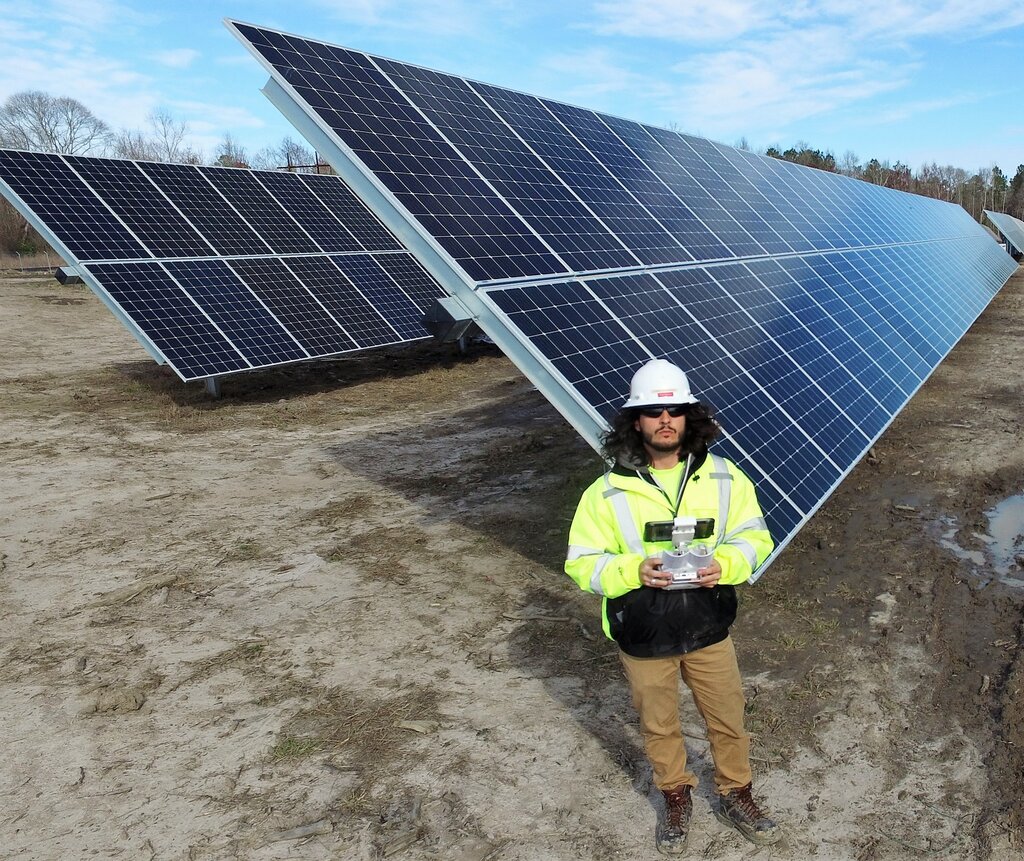
Part 107 isn't just a list of suggestions. It’s a legal framework designed to keep the skies safe for everyone, both in the air and on the ground. Following these rules is mandatory, and it all starts with becoming a certified remote pilot.
Getting Your Certificate
To legally operate a drone for commercial use, you must obtain a Remote Pilot Certificate from the FAA. Think of it as a driver's license for your drone. To be eligible, you must meet a few key requirements:
- Age: You must be at least 16 years old.
- Language: You need to be able to read, speak, write, and understand English.
- Condition: You must be in a physical and mental condition that allows you to safely operate a drone.
Earthbound pilots have to pass the aeronautical knowledge test, a background check, and register their drone with the FAA.
The biggest step in the process is passing the Part 107 initial aeronautical knowledge test. This is a multiple-choice exam administered at an FAA-approved testing center. It covers topics like regulations, airspace, and operational safety. After you pass the test, you'll also undergo a background check by the Transportation Security Administration (TSA). Once that's complete, you can finish your application and receive your certificate.
Flying by the Rules
Once you have your Remote Pilot Certificate, you're ready to fly commercially. But with this privilege come important responsibilities and limitations. Part 107 outlines a clear set of operational rules you must follow during every flight.
| Rule | Description |
|---|---|
| Weight | Your drone and any payload must weigh less than 55 pounds. |
| Line of Sight | You must always be able to see your drone with your own eyes. |
| Altitude | You cannot fly higher than 400 feet above ground level. |
| Speed | Your drone's groundspeed cannot exceed 100 mph. |
| Time of Day | Flying is permitted during daylight and civil twilight (with appropriate lighting). |
| Airspace | You must stay out of restricted airspace without specific authorization. |
| People | You cannot operate your drone directly over people who are not part of the operation. |
These are the default rules. In some cases, you can apply for a waiver from the FAA to operate outside of these limitations, such as flying at night without lights or operating over people. But without a waiver, these rules are firm.
One of the most important rules is about airspace. You are sharing the sky with manned aircraft, and it's your job to stay out of their way.
The FAA classifies airspace to manage air traffic safely. As a drone pilot, you must know how to read aeronautical charts to identify different types of airspace. For example, you need specific permission from air traffic control (ATC) to fly in controlled airspace, which is typically found around airports. The FAA has developed a system called the Low Altitude Authorization and Notification Capability (LAANC) that allows drone pilots to get near real-time authorization to fly in many controlled airspaces across the country.
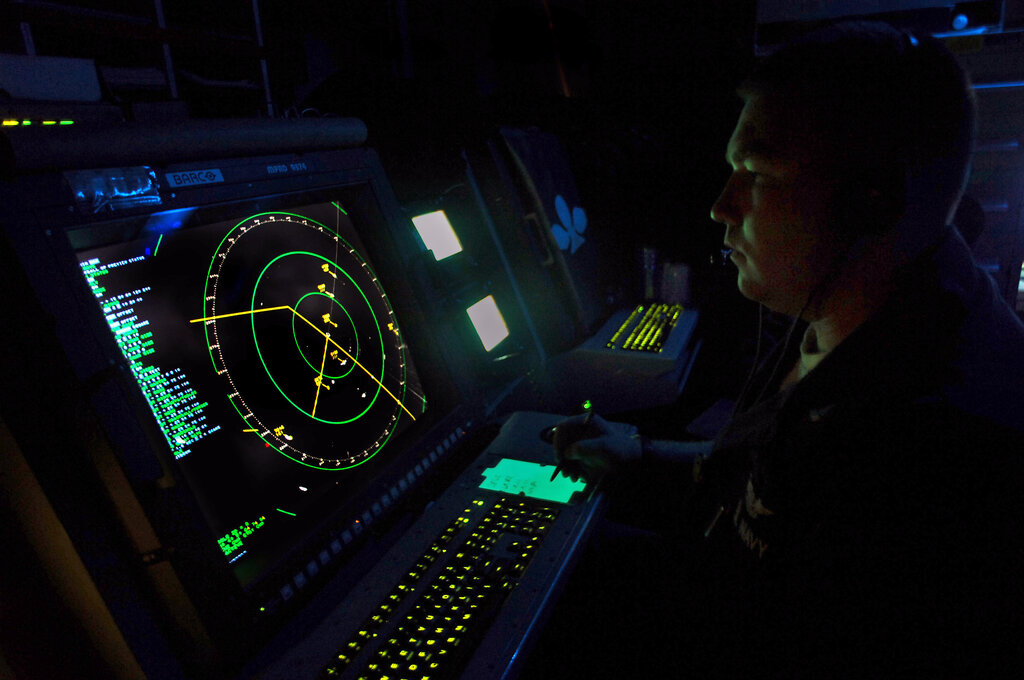
Understanding and respecting these rules isn't just about passing a test. It’s about being a responsible pilot who contributes to a safe and predictable airspace for everyone.
What is the minimum age required to be eligible for an FAA Remote Pilot Certificate?
Which of the following is the primary FAA regulation governing the commercial operation of small unmanned aircraft systems (sUAS)?
Following these regulations ensures that you can operate your drone professionally and safely, paving the way for the amazing possibilities this technology offers.