Parenting Strong-Willed Autistic Children
Understanding Autism Spectrum Disorder
What is Autism Spectrum Disorder?
Autism Spectrum Disorder, or ASD, is a developmental condition that influences how a person communicates, behaves, and interacts with the world around them. It's called a spectrum because it shows up differently in every individual. There's a saying among the autistic community: "If you've met one person with autism, you've met one person with autism."
The "spectrum" in ASD refers to the wide range of symptoms and severity levels.
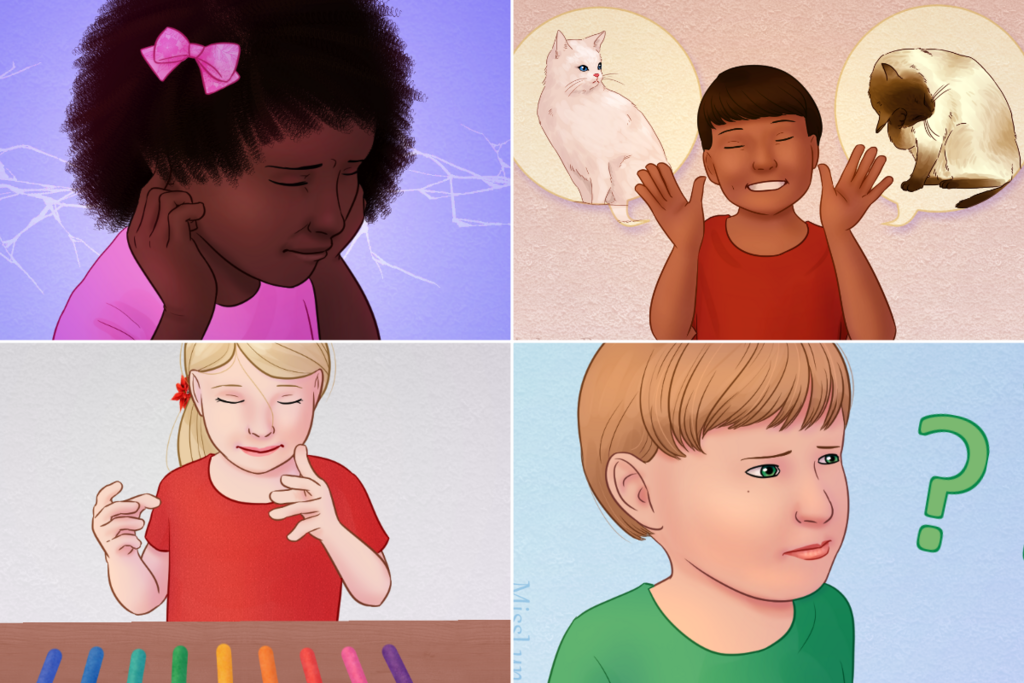
This means two children with an ASD diagnosis can have very different strengths and challenges. One child might be nonverbal and require significant support with daily activities, while another might excel in academics but struggle to understand social cues like sarcasm or body language.
How Autism is Diagnosed
There isn't a medical test, like a blood test, for autism. Instead, professionals diagnose ASD by observing a child's behavior and development. They look for patterns that meet the criteria outlined in diagnostic manuals, such as the Diagnostic and Statistical Manual of Mental Disorders (DSM-5).
Diagnosis focuses on two core areas: persistent challenges in social communication and interaction, and restricted, repetitive patterns of behavior, interests, or activities.
For a diagnosis, a child must show persistent challenges in both of these areas.
Common Characteristics
Let's break down those two core areas with some common examples. Remember, not every child with ASD will show all of these characteristics.
| Category | Common Examples |
|---|---|
| Social Communication | Difficulty with back-and-forth conversation or sharing interests. Trouble understanding nonverbal cues like facial expressions or tone of voice. Challenges making and keeping friends. |
| Repetitive Behaviors | Repetitive movements, such as hand-flapping, rocking, or spinning (often called stimming). Strong need for routine and distress at small changes. Intense, highly focused interests in specific topics. Sensory sensitivities, like being over- or under-sensitive to sounds, lights, textures, or smells. |
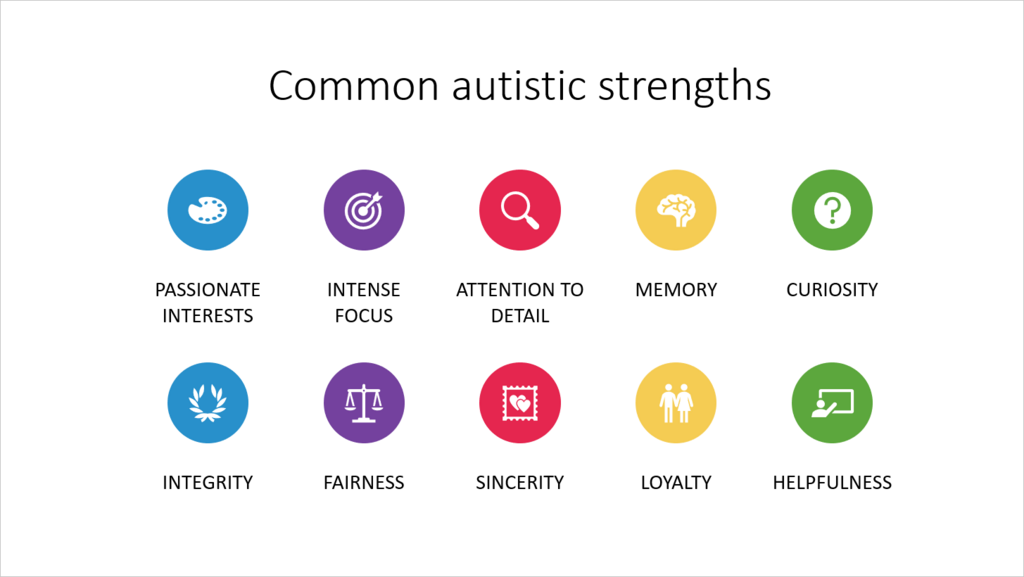
It's also important to recognize the many strengths that can accompany autism. Intense focus can lead to incredible expertise in a subject. Attention to detail can be a huge asset. Many autistic people are known for their honesty, loyalty, and unique perspectives.
Understanding these core characteristics provides a foundation for recognizing how autism might present in a child. It’s the first step in learning how to provide the right kind of support.
Let's check your understanding of these foundational concepts.
Why is autism referred to as a "spectrum"?
How is Autism Spectrum Disorder typically diagnosed?
Having a clear definition of ASD and its characteristics is the starting point for everything that follows. In the next sections, we'll build on this knowledge.