Parenting Children with ADHD
Understanding ADHD
What Is ADHD?
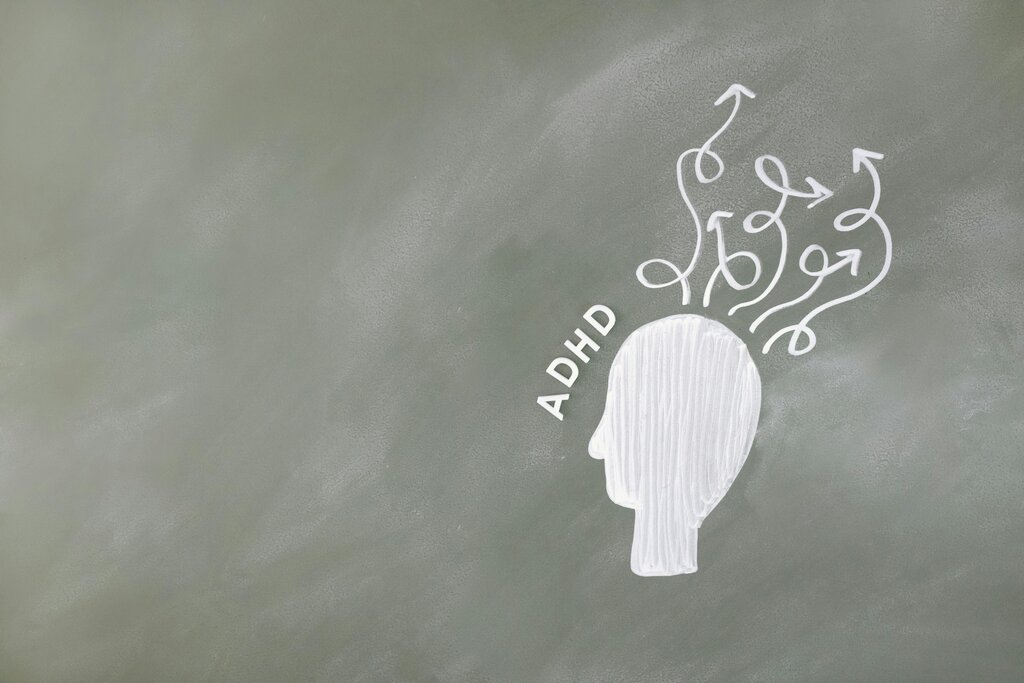
Attention-Deficit/Hyperactivity Disorder, or ADHD, is a common neurodevelopmental disorder that affects how the brain grows and works. It's not a matter of a child being "bad" or lazy. Instead, their brain is wired differently, which can make certain tasks more challenging.
ADHD
noun
A neurodevelopmental disorder marked by persistent patterns of inattention and/or hyperactivity-impulsivity that interfere with functioning or development.
The core characteristics of ADHD fall into three main categories:
-
Inattention: This is more than just daydreaming. It’s difficulty sustaining focus, staying organized, and following through on tasks. A child might lose track of their belongings, forget instructions, or seem like they aren't listening when spoken to directly.
-
Hyperactivity: This is the most visible sign. It looks like constant motion—fidgeting, squirming, running around when it’s not appropriate. For older kids and adults, it might feel more like an internal restlessness.
-
Impulsivity: This involves acting hastily without thinking through the consequences. A child might blurt out answers in class, have trouble waiting their turn, or interrupt others frequently.
The Three Types of ADHD
Not everyone with ADHD is constantly bouncing off the walls. The disorder presents in different ways, which is why it's broken down into three subtypes, or presentations. A child's subtype can even change over time as they grow and develop.
| Subtype | Key Characteristics | Common Misconception |
|---|---|---|
| Predominantly Inattentive | Difficulty paying attention, staying organized, finishing tasks. Often described as forgetful or daydreamy. | The child is lazy or unintelligent. |
| Predominantly Hyperactive-Impulsive | Constant fidgeting, excessive talking, inability to sit still. Acts impulsively and struggles with self-control. | The child is just being disruptive on purpose. |
| Combined | A mix of symptoms from both inattentive and hyperactive-impulsive types. This is the most common subtype. | The child's behavior is inconsistent and unpredictable. |
It’s important to recognize that the inattentive type, once sometimes called ADD, can be easy to miss, especially in girls. These children are often quiet and withdrawn, not disruptive, so their struggles with focus may go unnoticed by teachers and parents.
Kids with attention deficit disorder may struggle with controlling their impulses, so they often speak out of turn.
How Common Is It?
ADHD is one of the most common mental disorders affecting children. According to the CDC, estimates suggest that around 9-10% of school-aged children in the United States have received an ADHD diagnosis at some point. That’s about 6 million children.
Historically, boys have been diagnosed with ADHD about twice as often as girls. However, this gap may be closing. Experts believe this isn't because boys are more susceptible, but because hyperactivity—more common in boys—is more noticeable. Girls, who more often present with inattentive symptoms, can fly under the radar.
ADHD affects people of all genders, races, and socioeconomic backgrounds. It is not caused by poor parenting or too much sugar.
When It's Not Just ADHD
Life with ADHD is rarely straightforward. Many children with the disorder—some studies suggest more than two-thirds—also have at least one other co-occurring condition, often called a comorbidity. The presence of these other conditions can complicate diagnosis and make managing symptoms more challenging.
Some of the most common comorbidities include:
-
Learning Disabilities: Difficulties with reading (dyslexia), writing (dysgraphia), or math (dyscalculia) are common.
-
Anxiety Disorders: The constant struggle to keep up can lead to significant worry, fear, and panic.
-
Depression: Feelings of failure and social isolation can contribute to persistent sadness and low self-esteem.
-
Oppositional Defiant Disorder (ODD): This involves a pattern of angry, irritable, and defiant behavior toward authority figures.
-
Autism Spectrum Disorder (ASD): ADHD and autism share some traits, like social challenges and sensory sensitivities, and they frequently occur together.
-
Tic Disorders: This includes Tourette's syndrome, which involves involuntary, repetitive movements or sounds.

Understanding these potential overlaps is a critical first step. It helps paint a complete picture of a child's unique challenges and ensures they get the right kind of support for all their needs.
Let's check your understanding of the basics of ADHD.
Which of the following are the three core characteristics of ADHD?
According to CDC estimates, approximately what percentage of school-aged children in the U.S. have received an ADHD diagnosis?
Grasping the fundamentals of ADHD—what it is, how it appears, and what other conditions can accompany it—provides a solid foundation for navigating the journey ahead.