Paramedic Fundamentals
Introduction to Paramedicine
From Battlefields to City Streets
The idea of rushing medical care to the injured isn't new. As far back as the Napoleonic Wars, horse-drawn carts served as ambulances to pull wounded soldiers from the battlefield. However, for centuries, getting to a doctor was a slow, often deadly process. The real shift toward modern paramedicine began in the 20th century, spurred by lessons learned in warfare and a growing awareness of preventable deaths.
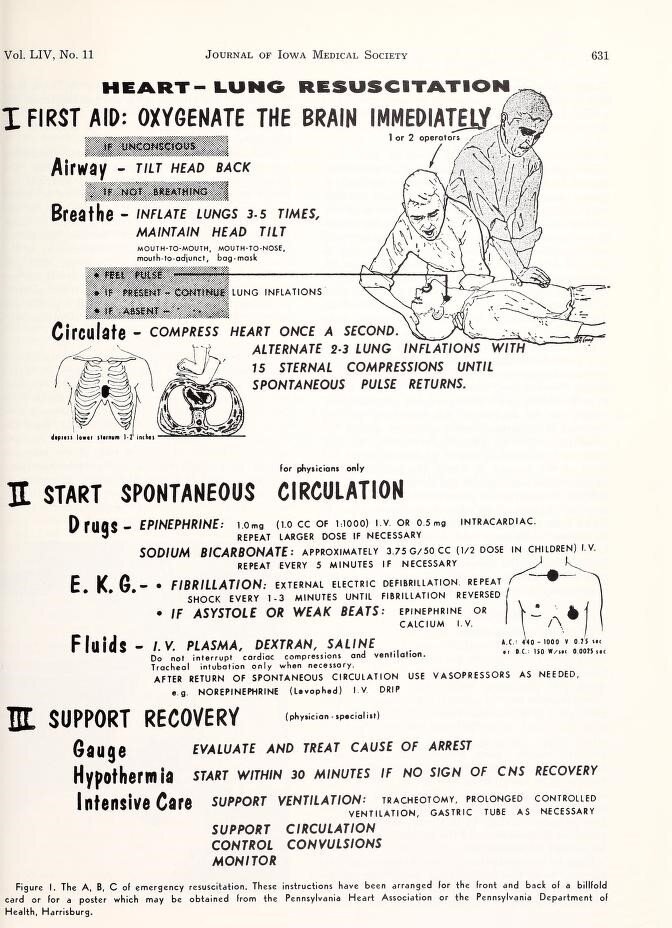
In 1966, a landmark report titled Accidental Death and Disability: The Neglected Disease of Modern Society exposed a harsh reality: a person seriously injured in America had a better chance of survival on a Vietnam battlefield than on a city highway. This report, often called the “White Paper,” sparked a revolution. It highlighted the lack of standards, training, and equipment in ambulance services, which were often run by funeral homes.
This wake-up call led to the creation of the modern Emergency Medical Services (EMS) system. Federal funding and new regulations established standardized training curricula and the development of the paramedic profession. The goal was no longer just to transport patients, but to bring life-saving care directly to them.
The Modern Paramedic's Role
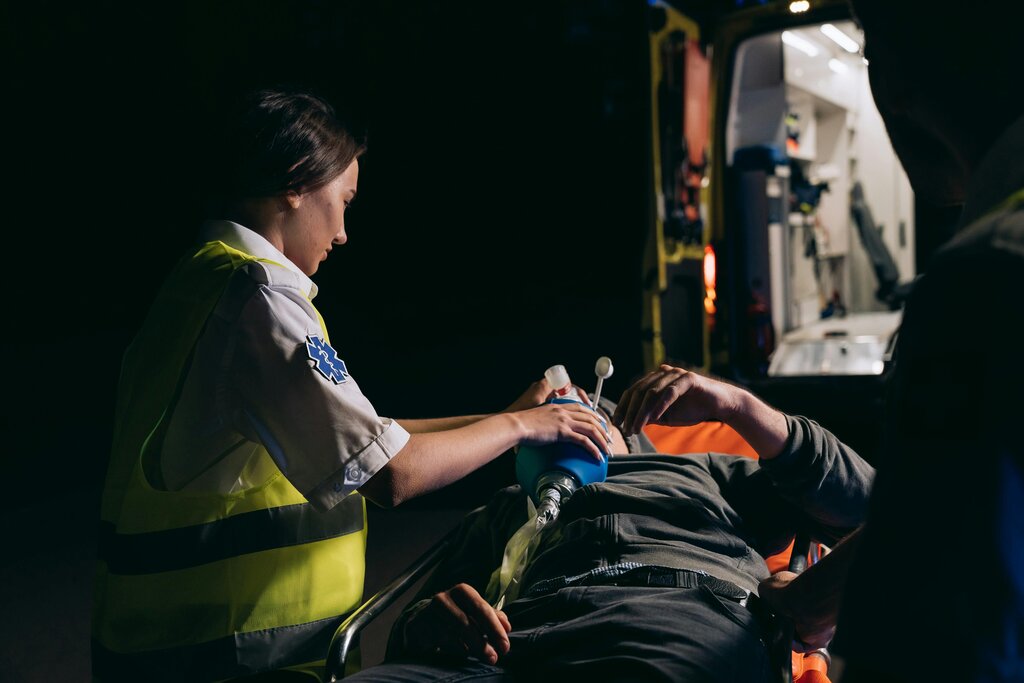
A common misconception is that paramedics just drive ambulances. In reality, they are highly trained clinicians who bring the emergency room to the patient. Their ambulance is a mobile medical unit packed with sophisticated equipment.
Their responsibilities begin the moment a 911 call is answered. On scene, they must quickly and accurately assess the situation, identify life-threatening conditions, and make critical decisions under pressure. This involves much more than basic first aid. Paramedics perform advanced medical procedures, such as:
- Administering medications through intravenous (IV) lines
- Managing a patient’s airway with advanced techniques
- Interpreting electrocardiograms (EKGs) to identify heart attacks
- Using defibrillators to restart a heart
They are problem-solvers, piecing together clues from the patient, bystanders, and the environment to form a diagnosis and treatment plan. They are also communicators, calming frightened patients and families while coordinating with other first responders and the receiving hospital.
Guiding Principles
Practicing medicine in uncontrolled environments requires a strong ethical and legal framework. Paramedics are guided by core principles that ensure they provide the best possible care while respecting patient rights.
Ethical principles include beneficence (acting in the patient's best interest), non-maleficence (doing no harm), and autonomy (respecting a patient's right to make their own decisions).
These ethics are intertwined with legal duties. The most significant legal boundary is the scope of practice, which defines the procedures, actions, and processes a paramedic is permitted to undertake. This scope is set by state laws and the paramedic's medical director. Performing skills outside this scope can have serious legal consequences.
Consent is another critical area. Competent adults have the right to refuse care, even if it’s life-saving. Paramedics must be skilled at explaining the risks and benefits to obtain informed consent. In cases where a patient is unconscious or unable to make a decision, care is often given under implied consent—the assumption that they would want help if they could ask for it.
| Concept | Ethical Consideration | Legal Requirement |
|---|---|---|
| Autonomy | Respecting a patient's right to choose. | Obtaining informed consent before treatment. |
| Confidentiality | Protecting a patient's private information. | Following privacy laws like HIPAA. |
| Competence | Committing to provide the highest standard of care. | Maintaining licensure and practicing within the defined scope. |
A Link in the Chain
Paramedics don't work in isolation. They are a crucial part of the integrated EMS system, which is a key component of the overall healthcare network.
Think of it as a chain of survival. The process starts when someone recognizes an emergency and calls 911. A dispatcher provides instructions while sending responders. Police and firefighters often arrive first to secure the scene, followed by paramedics who provide advanced care. During transport, paramedics communicate with the receiving hospital, providing a detailed report so the emergency department team is ready the moment the patient arrives.
This seamless coordination ensures that patient care is continuous, from the street to the hospital bed.
Ready to check your understanding of the paramedic's role?
What 1966 report, often called the “White Paper,” was instrumental in launching the modern Emergency Medical Services (EMS) system in the United States?
A paramedic arrives to find a patient who is unconscious and has a life-threatening injury. The paramedic begins treatment immediately. What legal principle allows the paramedic to provide care in this situation?
Let's review some of the key terms we've covered.
Understanding these foundations—the history, roles, and guiding principles—is the first step in appreciating the complex and vital work that paramedics do every day.