Paraguay's Global Trade Landscape
Introduction to International Trade
Why Nations Trade
At its heart, international trade is a simple exchange. A country sells things it produces to the rest of the world, and it buys things the world produces. The goods and services sold to other countries are called exports. The goods and services bought from other countries are called imports.
Think about your morning coffee. The beans might have been grown in Colombia, making them an export for Colombia and an import for your country. The smartphone in your pocket was likely assembled in China from parts made in South Korea and Taiwan. This is international trade in action, a vast network of buying and selling that connects producers and consumers across the globe.
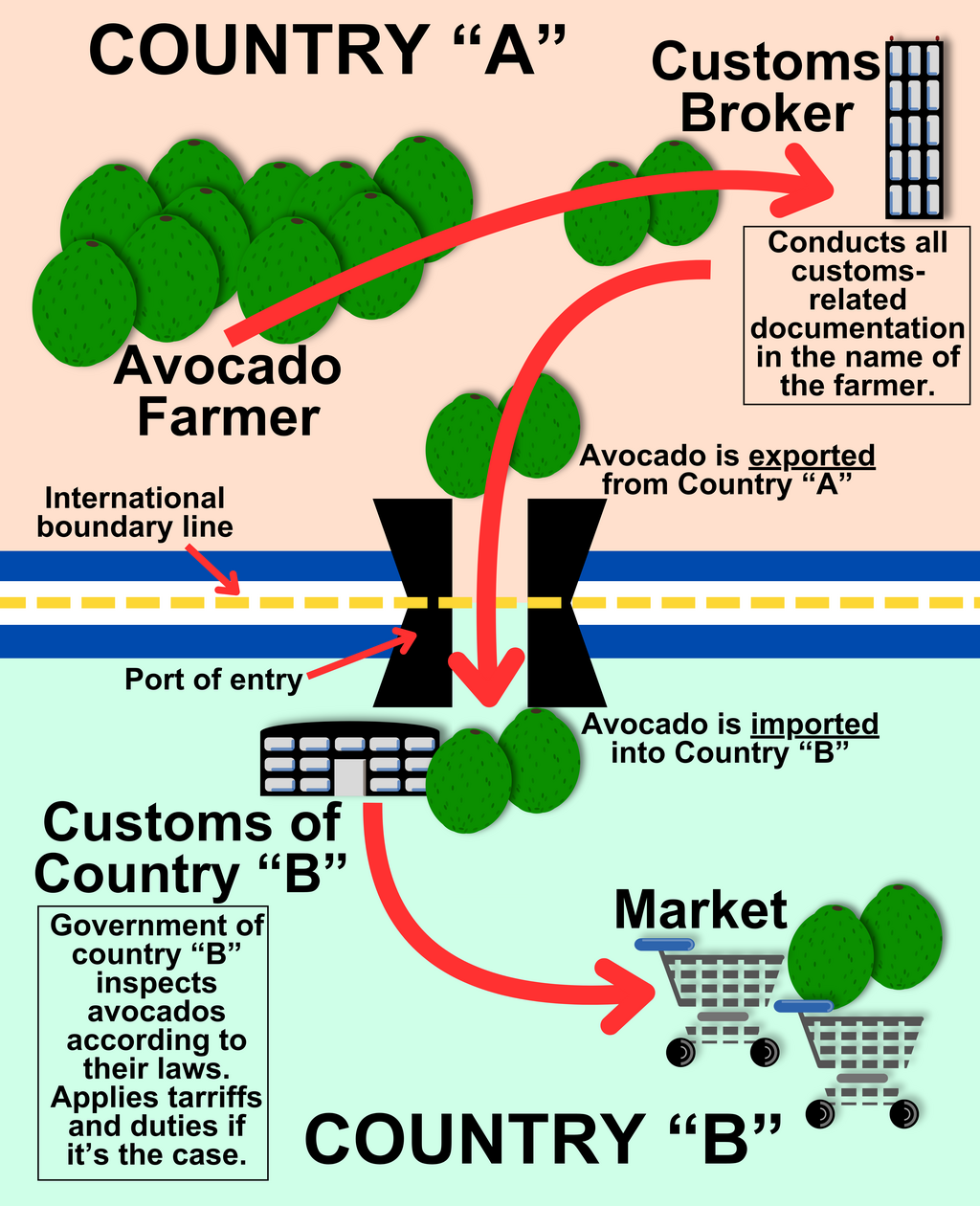
This global marketplace exists for a fundamental reason: no country can produce everything its people need or want efficiently. Different countries have unique resources, climates, skills, and technologies. Trade allows them to focus on what they do best.
The Power of Specialization
Why doesn't every country just produce its own cars, coffee, and computers? The answer lies in a key economic principle called comparative advantage. It’s the idea that countries should specialize in producing what they can make most efficiently and at the lowest opportunity cost.
Opportunity cost is what you give up to do something else. Let's say you're a skilled graphic designer who also happens to be a fast typist. You could spend your day designing a logo for a client for $500 or typing up transcripts for $100. The opportunity cost of typing is the $500 you could have earned designing. Clearly, your time is better spent on design. You have a comparative advantage in design. You can then use the money you earn from design to pay someone else to do the typing.
Comparative Advantage
noun
The ability of a country to produce a particular good or service at a lower opportunity cost than its trading partners.
Countries operate on the same logic. A country might be able to produce both wheat and electronics, but if it can produce wheat with far less effort and resources than other nations, its time is better spent focusing on wheat. It can then export its surplus wheat and import electronics from a country that specializes in making them.
| Country | Cars Produced (per month) | Coffee Produced (tonnes per month) |
|---|---|---|
| Japan | 100 | 20 |
| Brazil | 10 | 80 |
In this simplified example, Japan is more efficient at making cars, and Brazil is more efficient at growing coffee. Japan has a comparative advantage in cars, and Brazil has one in coffee. Instead of both trying to do everything, Japan should make cars and Brazil should grow coffee. They can then trade with each other, and both end up with more cars and more coffee than they could have produced on their own. This specialization and trade leads to greater global efficiency and wealth.
Keeping Score
Countries keep track of the flow of goods and services across their borders. The difference between the value of a country's exports and the value of its imports is known as its trade balance.
There are three possible scenarios:
- Trade Surplus: When a country exports more than it imports. It sells more to the world than it buys.
- Trade Deficit: When a country imports more than it exports. It buys more from the world than it sells.
- Balanced Trade: When exports and imports are equal.
Think of it like a personal budget. A surplus is like earning more than you spend, while a deficit is like spending more than you earn. Neither is inherently "good" or "bad" on its own; they are simply indicators of a country's economic relationship with the rest of the world.
Now, let's test your understanding of these foundational ideas.
Goods and services that a country buys from other countries are called __________.
If a country sells 150 billion worth of goods, it has a trade surplus.
Understanding these concepts—exports, imports, comparative advantage, and trade balances—is the first step to analyzing any country's role in the global economy.