Paper Airplane Engineering
Introduction to Paper Airplanes
A Timeless Toy
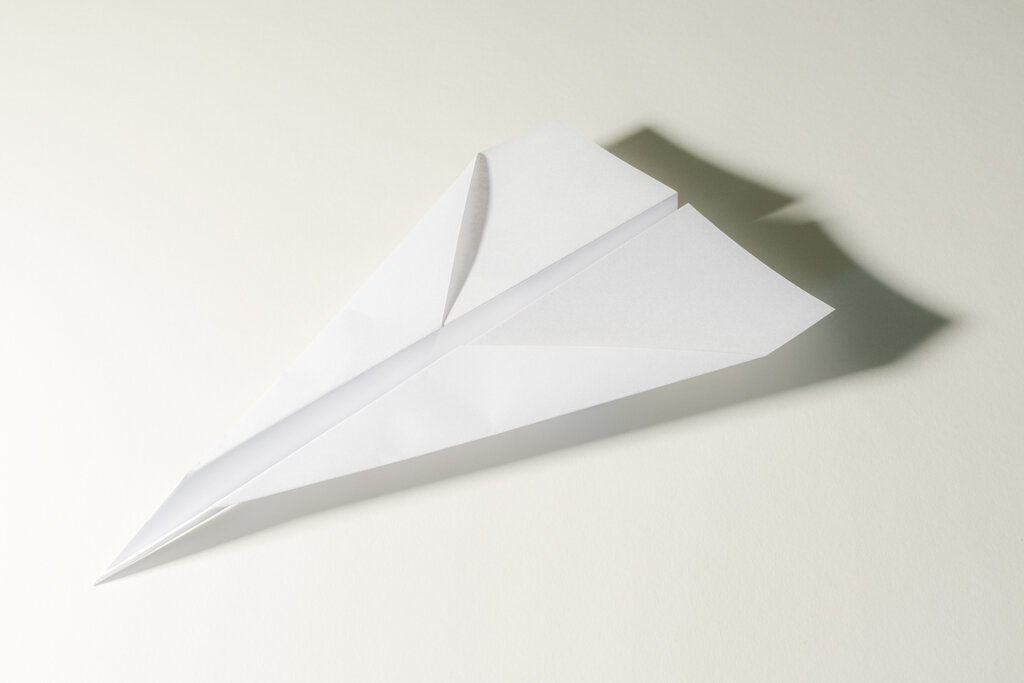
Long before the first real airplanes took to the sky, people were folding paper into flying shapes. The art of paper folding, or origami, has roots in ancient Japan and China, but the paper airplane as we know it became popular in the early 20th century. Early aircraft designers even used folded paper models to test their ideas for wing shapes and stability.
It’s a simple craft that connects us to the pioneers of flight. All you need is a single sheet of paper to create something that can soar, glide, and loop through the air. The magic lies in the folds.
Your First Folds
You don't need special materials to get started. Any rectangular piece of paper will do, from a standard sheet of printer paper to a page from a notebook. The most important thing isn't the paper, but the quality of your folds.
The secret to a great paper airplane isn't fancy paper; it's a sharp, clean fold. Press down firmly to create a crisp crease.
All paper airplanes are built from two basic types of folds: the valley fold and the mountain fold. Mastering these is the first step to building any design.
A valley fold is the most common. It's when you fold the paper toward you, creating a crease that looks like a 'V' or a valley.
A mountain fold is the opposite. You fold the paper away from you, and the crease points up like the peak of a mountain.
Safety First
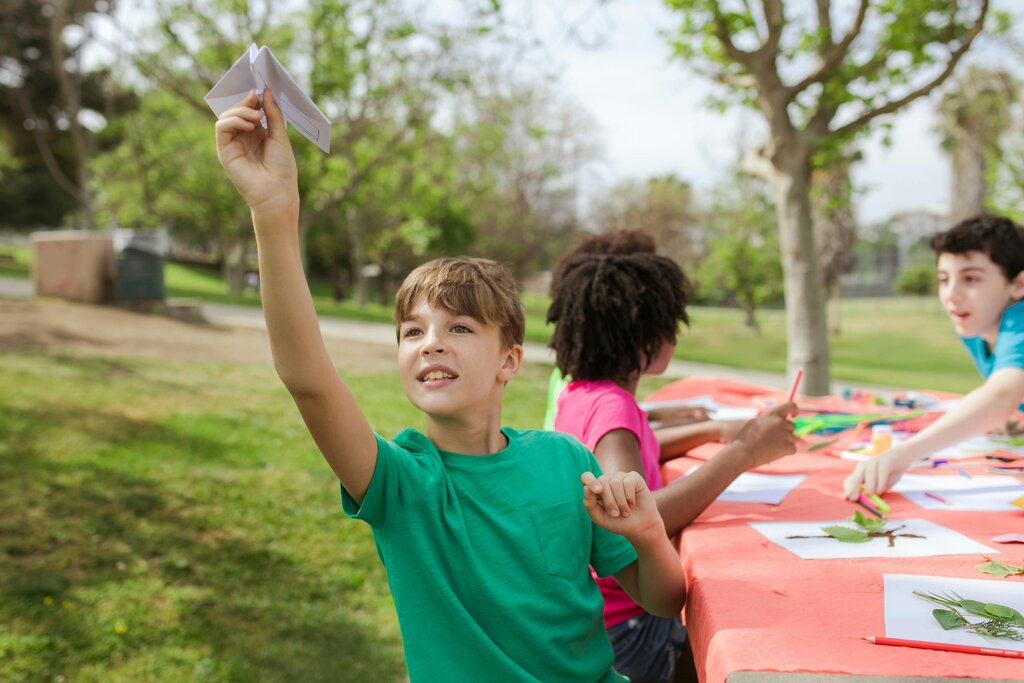
Paper airplanes are fun, but it's important to be safe. The pointed nose of a plane can be sharp, so never throw them at another person, especially their face or eyes. Always be aware of your surroundings when you launch your plane, making sure you have a clear, open space. This ensures everyone stays safe and the fun can continue.
Ready to test what you've learned about getting started?
How did some early aircraft designers use folded paper models?
According to the text, what is the most important element for making a good paper airplane?
With these fundamentals, you're ready to start folding.