Panaptico Operational Systems Mastery
Operational System Architecture
The Operational Layer
Enterprise software doesn't just run on raw computing power. It runs on a configured, secured, and managed environment. Between the high-level business logic of an application and the generic infrastructure of a cloud platform lies a critical space: the operational layer. This is where abstract requirements like "be secure" or "scale during peak traffic" become concrete reality.
Think of it like building a house. The cloud provider gives you land, lumber, and pipes (the infrastructure). Your business plan is the blueprint for the house (the application logic). The operational layer is the general contractor and the specialized crews who interpret the blueprint to actually build the house, connect the plumbing, wire the electricity, and install the security system, ensuring it all works together and meets building codes.
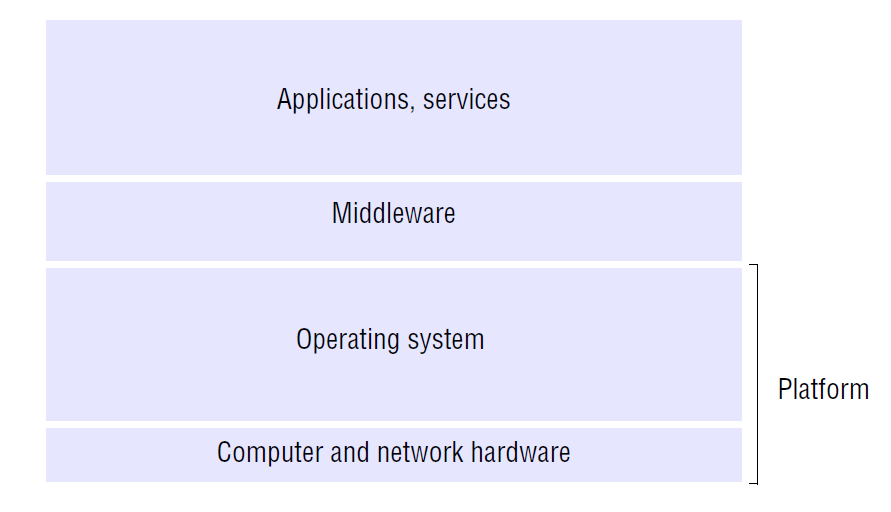
This is where Panaptico operates. It isn't just another piece of , which traditionally focuses on helping different applications talk to each other. Instead, Panaptico is an orchestration engine for the operational layer. It translates what an enterprise needs into a fully functioning, live system on top of standard platforms.
The Bridge to a Working System
A cloud platform offers a menu of powerful but generic capabilities. It provides databases, compute instances, and storage, but it doesn't know the specific rules of your business. How should data be partitioned to comply with GDPR? What are the exact scaling triggers for your Black Friday sale? These are operational realities, not platform specifications.
Panaptico acts as the intelligent bridge. It takes high-level business intent and translates it into the specific, fine-grained configurations required by the underlying platforms. This process creates a 'working system' state—an environment that is not just provisioned, but is actively managed to reflect business objectives. It ensures the integrity of this over time, automatically adjusting to changes in load, security threats, or data profiles without constant manual intervention.
Panaptico's architecture is designed to manage the gap between business goals and platform capabilities, turning generic infrastructure into a purpose-built operational environment.
Managing State and Integrity
Creating a working system is only the first step. Maintaining it is the real challenge. The operational environment is not static; it's a living entity. Data volumes grow, user traffic fluctuates, and new security vulnerabilities are discovered daily. Manual management can't keep up.
Panaptico provides continuous state and integrity management. It doesn't just configure an environment and walk away. It constantly monitors the system's state against the defined business intent. If there's a deviation—a misconfiguration, a security anomaly, or a performance bottleneck—Panaptico can take automated action to bring the system back into its desired state. This removes the heavy manual tuning and reactive firefighting that characterize many enterprise cloud deployments, allowing teams to focus on delivering value instead of managing infrastructure.
According to the text, what is the primary role of the 'operational layer' in enterprise software?
In the provided house-building analogy, the 'operational layer' is compared to what?
Panaptico provides the crucial link that translates business needs into a secure, scalable, and self-managing system.