Panama A Crossroads of History
Early Indigenous Civilizations
The First Panamanians
Long before the canal, the isthmus of Panama was already a crossroads. Archaeological evidence shows human presence dating back at least 12,000 years. Early inhabitants lived as hunter-gatherers, moving through the landscape in small, mobile bands. They hunted large mammals that are now extinct and gathered wild plants, nuts, and fruits. Sites like the Cueva de los Vampiros rock shelter provide clues, with stone tools and food remains painting a picture of this ancient lifestyle.
Around 5,000 BCE, a major shift began. People started to cultivate plants, transitioning from a nomadic existence to a settled one. Early agriculture focused on root crops like yucca and arrowroot. Later, maize (corn) was introduced from the north, becoming a staple food. This agricultural revolution allowed for permanent villages to form and populations to grow, setting the stage for more complex societies.
The Rise of Chiefdoms
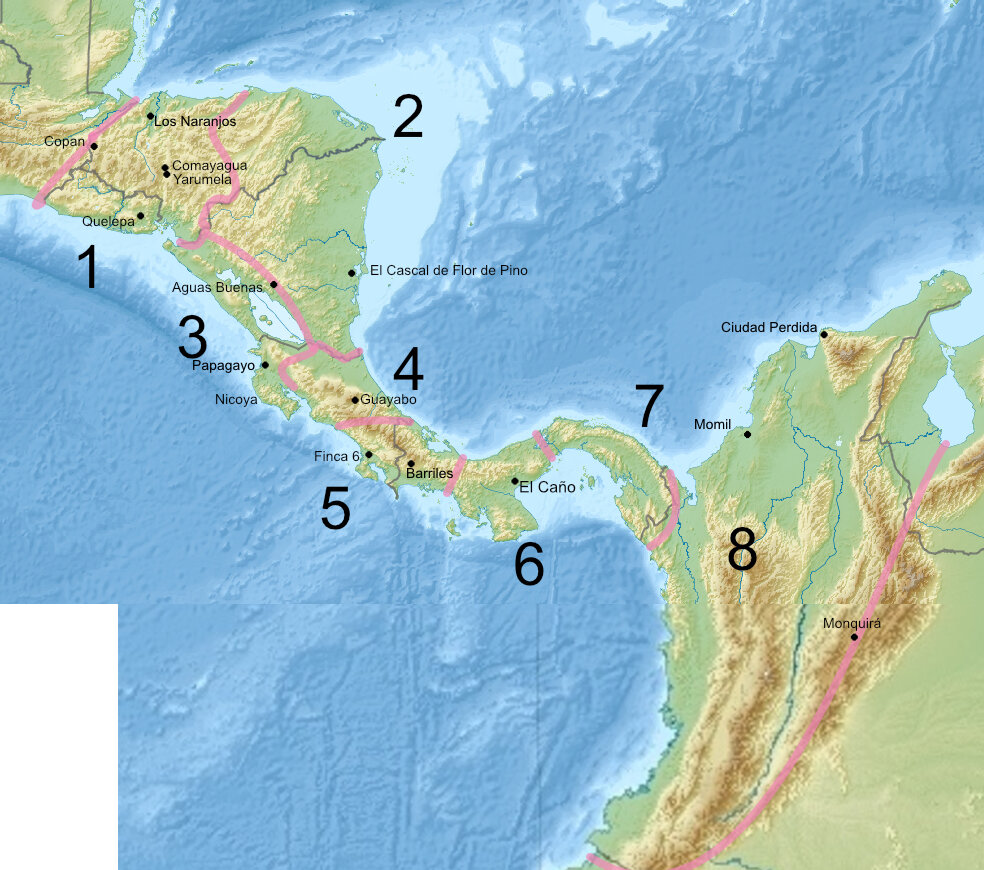
With stable food sources and growing populations, Panamanian societies became more organized. By 500 CE, powerful chiefdoms, known as cacicazgos, dominated the region. These were not simple villages but complex political entities with a clear social hierarchy. At the top was the chief, or cacique, who held both political and religious authority. Below the chief were elites and warriors, followed by commoners and artisans.
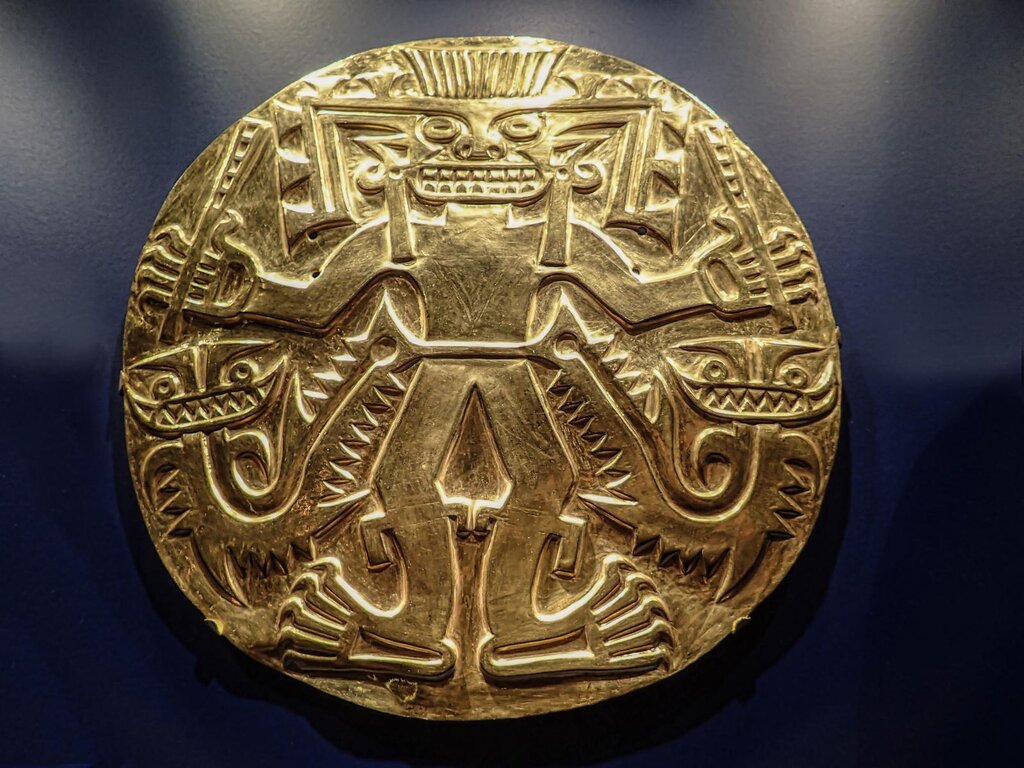
These societies left behind a stunning artistic legacy. The Great Coclé culture, for example, is famous for its intricate pottery and breathtaking goldwork. Artisans created elaborate plaques, pendants, and cuffs, often decorated with animal and human figures. These items were not just beautiful; they were symbols of status and power, frequently buried with chiefs to accompany them in the afterlife.
A Cultural Crossroads
Panama's narrow landmass made it a natural bridge between two continents. For thousands of years, it served as a vital corridor for trade, migration, and cultural exchange. Ideas, goods, and people flowed between the great civilizations of Mesoamerica to the north (like the Maya) and the Andes to the south (like the Inca and their predecessors).
Gold from Panama has been found in Mayan sites, while jade from Mesoamerica made its way into Panamanian graves. This two-way flow of goods highlights a bustling, interconnected ancient world.
This exchange wasn't limited to goods. It also included agricultural techniques, artistic styles, and possibly even social structures. The unique cultures that flourished in Panama, like the Ngäbe, Buglé, Kuna, Emberá, and Wounaan, developed in this dynamic environment, influenced by their powerful neighbors while maintaining their own distinct identities.
Before we move on, let's review some key ideas from this section.
Now, check your understanding of these early civilizations.
According to archaeological evidence from sites like the Cueva de los Vampiros, what was the lifestyle of the earliest human inhabitants of Panama?
What was the most significant consequence of the agricultural revolution in ancient Panama?
The rich history of these first Panamanians created a diverse cultural foundation that existed long before European arrival and continues to influence the region today.