Palm Springs A Desert Oasis's History
Indigenous Foundations
The First People of Palm Springs
Long before Palm Springs became a desert getaway, it was home to the Cahuilla people. For over 2,000 years, they thrived in the Coachella Valley and the surrounding mountains and canyons. They called the area Se-Khi, which means "boiling water," a nod to the natural hot springs that bubble up from the ground.
The Cahuilla were not one single group. They were divided into three main geographic bands: the Desert, Mountain, and Western Cahuilla. The people of Palm Springs are part of the Agua Caliente Band of Cahuilla Indians, a name given by the Spanish that means "hot water."
Their society was organized into clans, each with its own leader, or net. These clans were connected by family ties and shared ceremonies, creating a strong social fabric that sustained them for centuries. Their connection to the land was profound, shaping every aspect of their lives, from their food and shelter to their spiritual beliefs.
Living with the Desert
Surviving in the desert required incredible ingenuity and a deep understanding of the environment. The Cahuilla were masters of adaptation. Their lives followed the rhythm of the seasons, moving between permanent winter villages in the sheltered canyons and temporary summer camps in the cooler mountains.
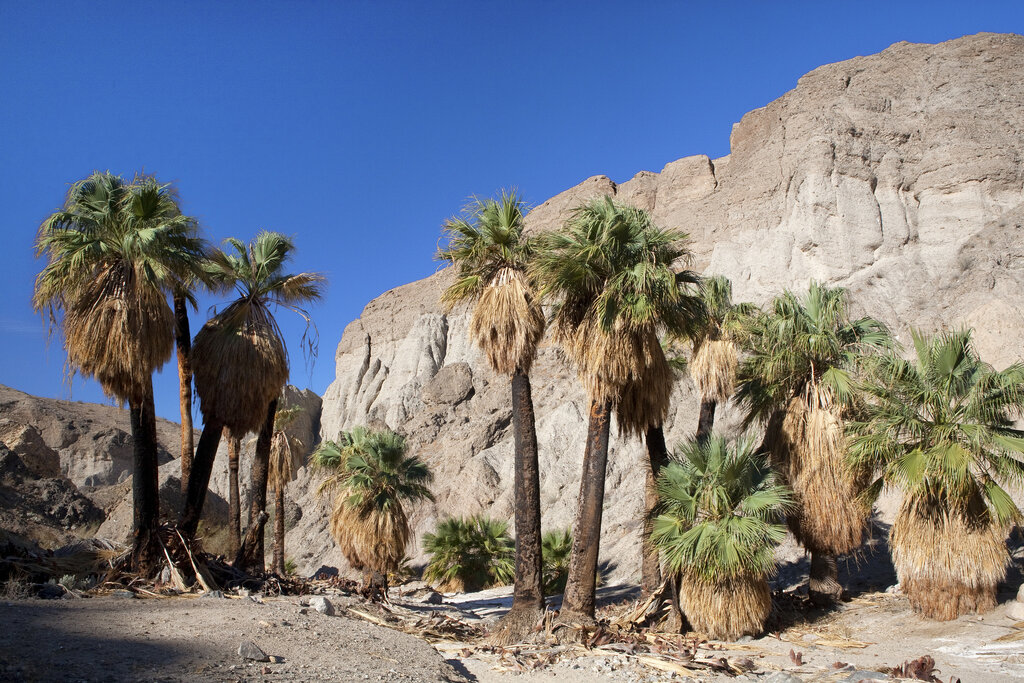
Winter villages were often located near streams or the life-giving oases of California fan palms. These palms provided more than just shade; their fruit was a food source, and their fronds were used for building shelters, baskets, and sandals. Their homes, called kish (or kishil), were dome-shaped structures built from arrow-weed and willow, providing excellent insulation from both heat and cold.
The Cahuilla diet was diverse and relied entirely on what the land provided. They gathered mesquite beans, screwbeans, acorns, and agave, and hunted small game like rabbits and quail.
Every plant had a purpose. The Cahuilla possessed an encyclopedic knowledge of the local flora, using different plants for food, medicine, tools, and ceremonies. This knowledge was passed down through generations, ensuring their continued survival.
Culture and Language
Cahuilla culture is rich with oral traditions, songs, and ceremonies that explain the creation of the world and their place within it. These stories and songs, passed from elder to child, were not just entertainment; they were the foundation of their history, laws, and spiritual beliefs.
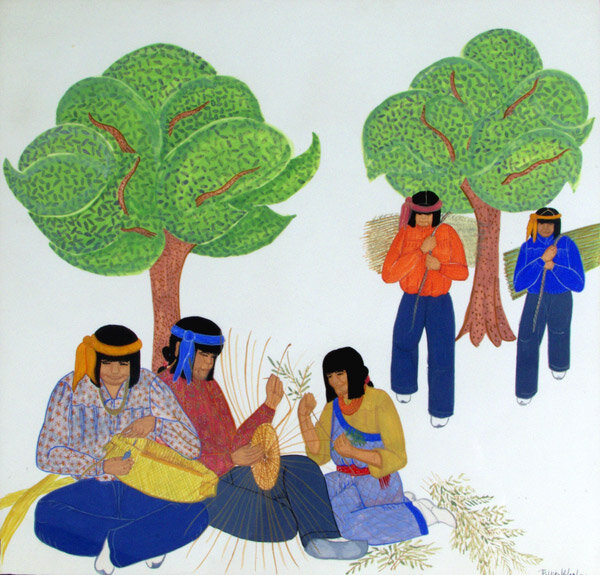
Basket weaving was one of their most important cultural practices. Using materials like sumac, willow, and juncus grass, Cahuilla women created intricate baskets for every purpose imaginable, from gathering and storing food to carrying water. Each basket was a work of art, with designs that held cultural significance.
The language spoken by the Cahuilla.
Their language, Ivilyuat, is part of the Uto-Aztecan language family, which connects them to other Indigenous groups across North America. Like many Indigenous languages, Ivilyuat holds the unique worldview and cultural knowledge of its speakers. Today, there are active efforts to preserve and revitalize it.
The Cahuilla created a sustainable and resilient society that was perfectly in tune with its environment. Their deep roots in the Coachella Valley are the foundational layer of the region's history.