Palm Oil Plantation Management
Introduction to Oil Palm Cultivation
The Remarkable Oil Palm
Meet Elaeis guineensis, the African oil palm. Originally from the tropical rainforests of West and Central Africa, this plant is the powerhouse behind the world's most popular vegetable oil. It's not just any tree; it's a perennial that can grow up to 20 meters tall and live for decades, producing fruit for much of its life.
Elaeis guineensis
noun
The scientific name for the African oil palm, the primary source of palm oil.
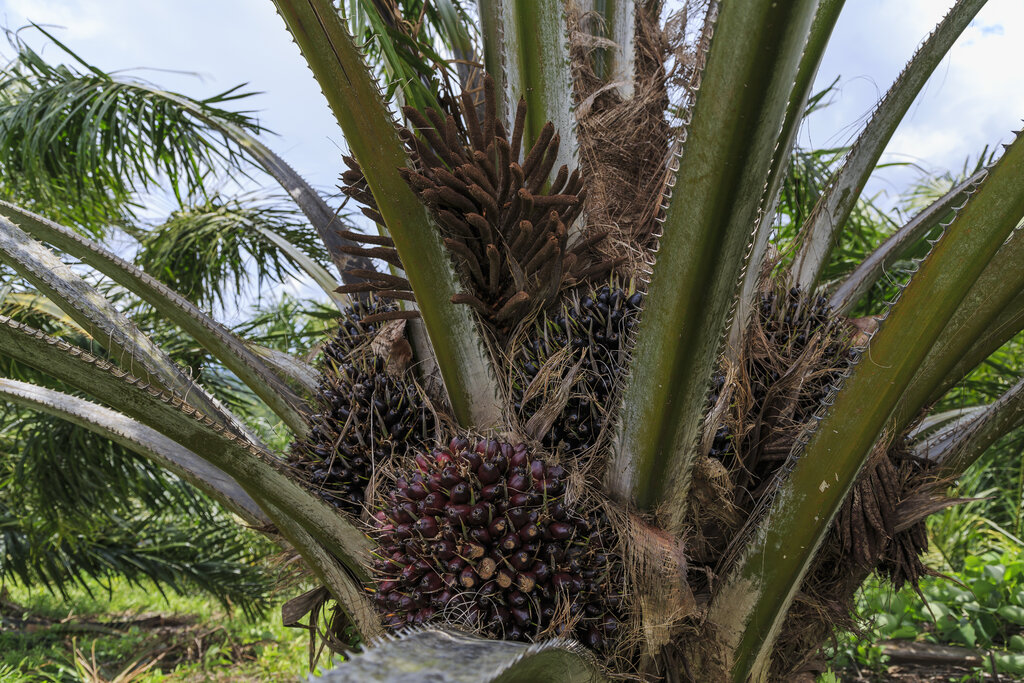
The oil palm produces its fruit in large, heavy clusters called Fresh Fruit Bunches (FFBs). Each bunch can weigh between 10 and 40 kilograms and contains hundreds of individual fruits. The fruit itself is where the magic happens. Two distinct types of oil are extracted from it: palm oil from the fleshy outer part (the mesocarp) and palm kernel oil from the seed inside.
From Seed to Harvest
The life of an oil palm on a plantation follows a clear path. It all begins with a seed, which is germinated under carefully controlled conditions in a nursery. For the first year, the young plant is nurtured as a seedling.
Once it's strong enough, the seedling is transplanted into the main field. For the next two to three years, the palm is in its immature phase. During this time, it focuses all its energy on growing taller and stronger, developing its root system and fronds, but it doesn't produce any fruit yet.
After about 30 months, the palm enters its mature phase and begins to produce fruit bunches. The yield starts small but increases annually, hitting its peak production between seven and eighteen years of age. While an oil palm can live for a very long time, its economic lifespan on a plantation is typically about 25 to 30 years. After that, the palm becomes too tall to harvest efficiently, and its yield begins to decline.
A Global Commodity
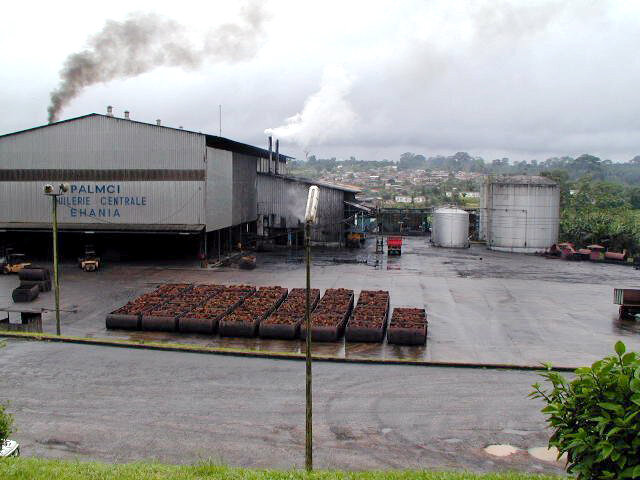
Palm oil is a massive global business for a simple reason: it's everywhere. It is the most consumed vegetable oil on the planet, found in roughly half of all packaged products in supermarkets. From pizza dough and ice cream to lipstick and soap, its versatility is unmatched. It also has a growing role as a biofuel.
This incredible demand is met primarily by two countries, Indonesia and Malaysia, which together account for about 85% of the world's supply. The reason oil palm cultivation is so widespread comes down to efficiency. Compared to other oilseed crops, the oil palm is a superstar producer.
An oil palm plantation can produce up to ten times more oil per hectare than other leading oilseed crops like soybean, rapeseed, or sunflower.
| Crop | Avg. Oil Yield (tonnes/hectare/year) |
|---|---|
| Oil Palm | 3.3 |
| Rapeseed | 0.8 |
| Sunflower | 0.7 |
| Soybean | 0.4 |
This high yield means that less land is needed to produce the same amount of oil, a key factor in its economic and agricultural appeal. Understanding the biology and life cycle of this plant is the first step to grasping its profound impact on the global economy and environment.
Now, let's review some of the key ideas we've covered.
Ready to test your knowledge?
The African oil palm, Elaeis guineensis, is native to which region?
Two distinct types of oil are extracted from a single oil palm fruit.
With these fundamentals in mind, you're ready to explore the more practical aspects of starting a plantation.