Palliative Care Essentials for Nurses
Introduction to Palliative Care
What Is Palliative Care?
Palliative care is specialized medical care for people living with a serious illness. It focuses on providing relief from the symptoms and stress of the illness. The goal is to improve quality of life for both the patient and the family.
Usually, the main goal of palliative care is to improve the quality of life for the patient and his/ her family.
Think of it as an extra layer of support. It doesn't replace your primary treatment; it works alongside it. You can receive palliative care at any age and at any stage of a serious illness, and it can be provided along with curative treatment. It's not the same as hospice care, which is for those approaching the end of life.
The Core Principles
Palliative care is guided by a few key ideas that make it unique. It's not just about treating a disease, but about caring for the whole person.
A holistic approach means addressing the physical, emotional, social, and spiritual needs of a patient. Pain isn't just physical. Stress, fear, and anxiety can make physical symptoms feel worse. Palliative care teams look at the big picture to provide comprehensive comfort.

Care is also patient-centered. This means that you, the patient, are at the center of the decision-making process. Your values, goals, and preferences guide all treatment plans. The team works with you to understand what's most important for your quality of life.
Patient-centered care focuses on what matters to patients: their comfort, concerns, and individual needs.
Finally, this type of care relies on interdisciplinary collaboration. It's a team effort. A typical palliative care team includes doctors, nurses, social workers, spiritual advisors, and therapists. Each member brings their expertise to create a well-rounded care plan tailored just for you.
The Role of Nurses
Nurses are often at the heart of the palliative care team. They spend significant time with patients and their families, making them essential for assessing needs and providing ongoing support.
A palliative care nurse's role is multifaceted. They manage pain and other symptoms, help patients and families navigate the healthcare system, and offer emotional support. They act as advocates, ensuring the patient's voice is heard and their wishes are respected. Their constant presence and compassionate communication are vital for building trust.
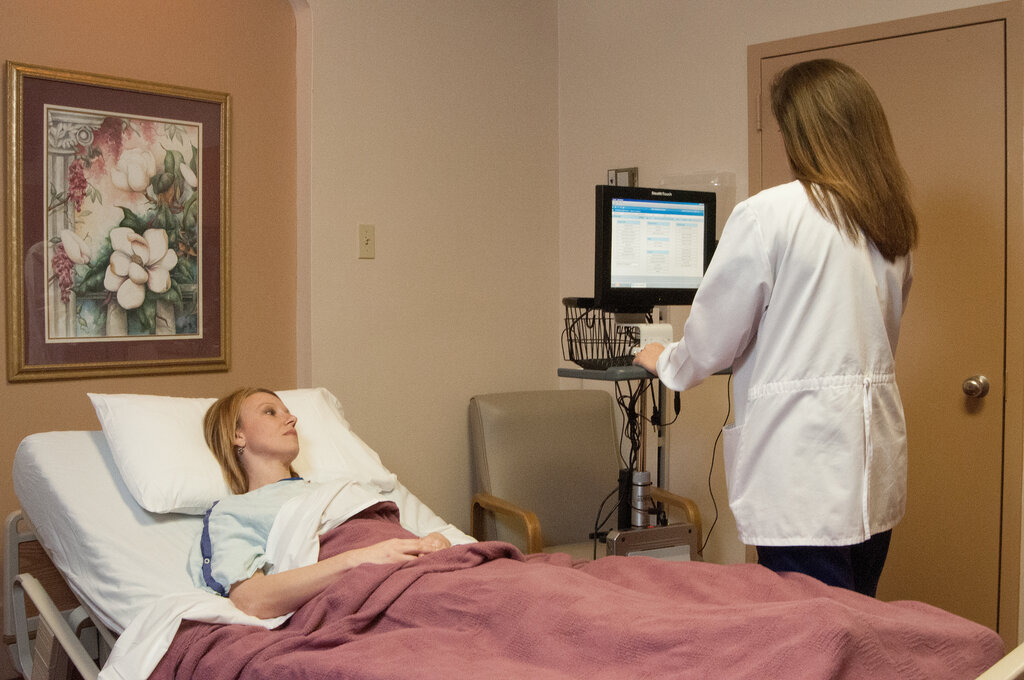
They are also skilled coordinators, working closely with all other members of the care team to ensure the patient's plan is seamless and effective. From adjusting medication to arranging for a visit from a chaplain, nurses help tie all the pieces of care together.
Where Is Palliative Care Provided?
Because it’s a flexible approach to care, palliative services can be delivered in many different places. The setting depends on the patient's needs and where they are most comfortable.
Palliative care is commonly provided in:
- Hospitals: Many hospitals have dedicated palliative care teams that can consult with patients admitted for any serious illness.
- Outpatient clinics: Patients can visit these clinics for palliative care appointments without needing to be admitted to the hospital.
- Long-term care facilities: Nursing homes and assisted living facilities often have palliative care services available for residents.
- At home: Some teams provide palliative care in the patient's own home, bringing comfort and support to a familiar environment.
The goal is to provide this extra layer of support wherever the patient is. It’s about meeting people where they are, both physically and emotionally, to help them live as well as possible for as long as possible.