Paleobiology of Otodus Megalodon
Taxonomic Reclassification
Not Just a Giant Great White
For a long time, scientists saw the megalodon as the ultimate great white shark, just much, much bigger. The logic was simple and based on the most common evidence we have: teeth. Both sharks brandished large, triangular, serrated teeth, seemingly perfect for tearing into large prey. Based on this striking similarity, the megalodon was placed in the same genus as the great white, Carcharodon. It was named Carcharodon megalodon.
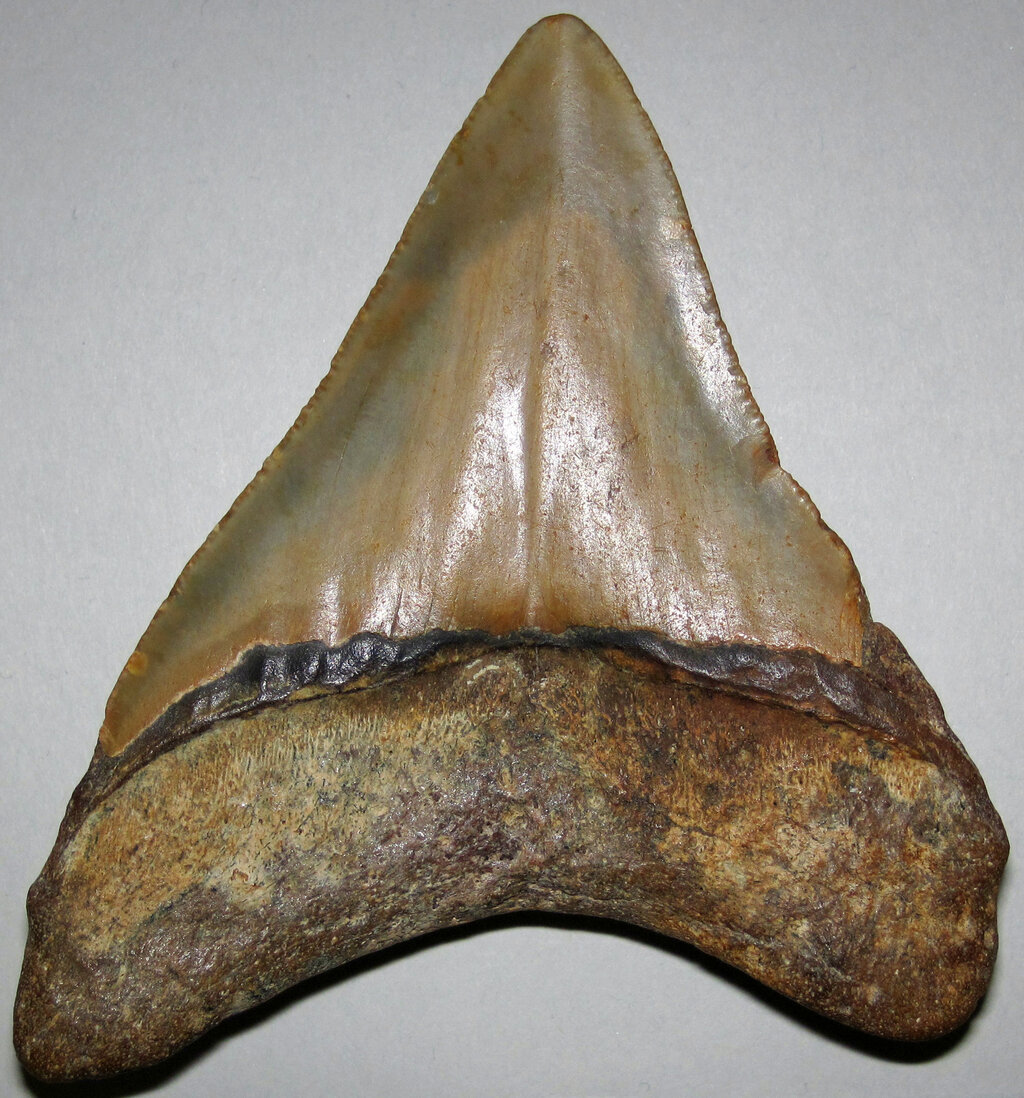
This classification suggested they were close relatives, with the megalodon being a direct ancestor or a close cousin to the modern great white. But as paleontologists uncovered more fossils and developed new analytical techniques, this picture started to change. The dental similarities, it turns out, were a classic case of —a fascinating trick of nature.
Similar problems often lead to similar solutions, even in species separated by millions of years of evolution.
A New Family Tree
Modern phylogenetics, which studies the evolutionary history and relationships among species, has moved the megalodon out of the great white's family. It now belongs to the extinct genus Otodus and the family Otodontidae, or the megatooth sharks. This reclassification to Otodus megalodon signifies that it belongs to an entirely different and long-dead lineage. It was not a 'giant great white' but the final and largest member of a distinct evolutionary branch.
This new classification is built on a more complete lineage traced through the fossil record. Instead of being an offshoot of the great white's line, the megalodon's ancestry goes back to a more ancient shark, , which lived around 55 million years ago during the Eocene. The evolution from O. obliquus to O. megalodon shows a gradual increase in size and the development of serrations on their teeth over tens of millions of years. This long, independent history confirms the megalodon was a unique product of evolution, distinct from any shark swimming in our oceans today.
This reclassification has major implications. It means we can't simply scale up a great white to understand the megalodon's biology. Its skeletal structure, metabolism, and even its hunting strategies were likely very different. Otodus megalodon was its own unique animal, the end-product of a successful evolutionary dynasty that ruled the oceans for millions of years before disappearing.
Ready to test your knowledge on the megalodon's family history?
Why was the megalodon originally classified in the same genus as the great white shark?
The fact that megalodons and great white sharks independently evolved similar teeth is a classic example of what?
Understanding this taxonomic shift from Carcharodon to Otodus is key to appreciating the megalodon not as a movie monster, but as a real animal with a deep and distinct evolutionary past.