Pakistan's Prevention of Terrorism Act 2004
Introduction to Anti-Terrorism Laws in Pakistan
A New Legal Framework
In the 1990s, Pakistan faced a rising tide of sectarian and ethnic violence. Existing laws were often seen as inadequate for handling these complex and dangerous situations. To address this, the government introduced a major piece of legislation: the Anti-Terrorism Act of 1997, commonly known as the ATA.
The main goal of the ATA was to create a stronger legal system for preventing and prosecuting terrorism. It wasn't just about punishment; it was also about giving law enforcement and the courts new tools to tackle a specific type of crime that threatened national security and public safety. This act provided a comprehensive framework, from defining the crime to establishing the process for trial.
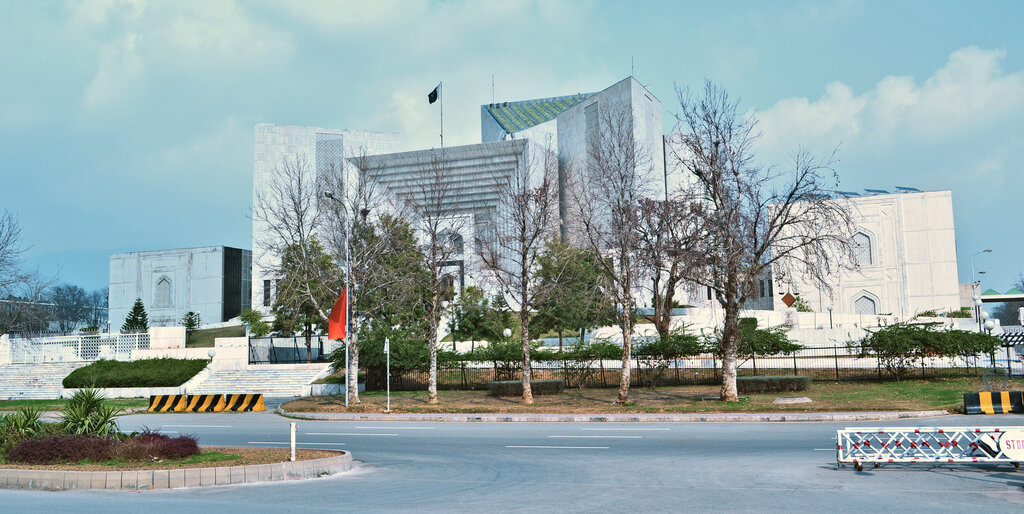
Defining Terrorism
One of the most critical parts of the ATA is how it defines terrorism. Instead of a narrow definition, the act takes a broad approach. It doesn't just focus on the act itself, but on its intent and effect. Under the ATA, terrorism is any action that is intended to intimidate or coerce the government or the public, or to create a sense of fear or insecurity in society.
The key is the purpose behind the act. An action becomes terrorism under the ATA if it's designed to create widespread fear or disrupt the government.
This includes a wide range of offenses, such as causing death or serious injury, kidnapping for ransom, hijacking, and creating civil unrest. By focusing on the intent to cause terror, the law could be applied to various actions that might otherwise have been prosecuted under different, less specific criminal laws.
Special Courts for Special Crimes
The ATA didn't just define terrorism; it also changed how terrorism cases were handled. The act established a new set of courts specifically to hear these cases: the Anti-Terrorism Courts, or ATCs.
Why were special courts needed? The government argued that cases of terrorism required swift justice to maintain public confidence and security. Regular courts were often backlogged, and trials could take years. ATCs were designed to be fast-tracked, with strict timelines for investigation and trial completion. They operate under different procedural rules to expedite the process and ensure the security of judges, witnesses, and prosecutors involved in these sensitive cases.
jurisdiction
noun
The official power to make legal decisions and judgments.
The Role of Law Enforcement
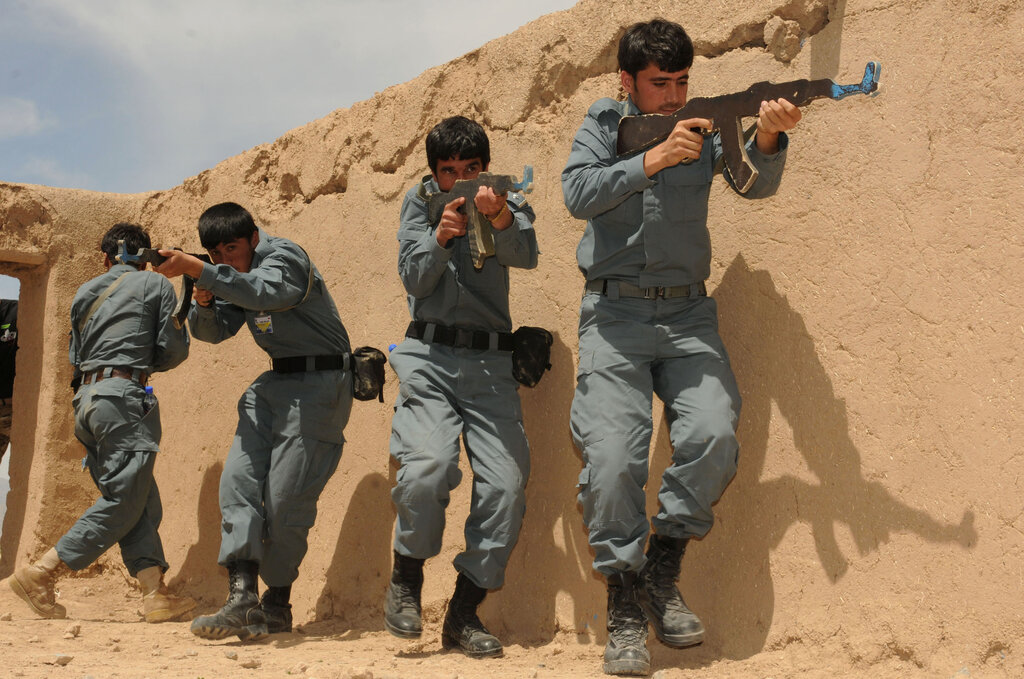
The ATA grants significant powers to law enforcement agencies, including the police and civil armed forces, to investigate and prevent terrorism. These powers are intended to help them act decisively in situations where public safety is at immediate risk.
For example, under certain conditions, officers are authorized to use force to prevent a terrorist act. They are also given enhanced authority to enter and search premises suspected of being used for terrorist activities. The act outlines the procedures for arrest and investigation, aiming to balance the need for effective action with legal safeguards. These provisions give security forces the legal backing to confront threats that fall under the ATA's wide-ranging definition of terrorism.
Time for a quick review of the key concepts we've covered.
What was the primary reason for the introduction of Pakistan's Anti-Terrorism Act of 1997?
According to the ATA, what is the key element that defines an act as 'terrorism'?
The ATA of 1997 established a foundational legal structure for Pakistan's fight against terrorism, defining the crime and creating the institutions to prosecute it.