Pakistan's Nuclear Program: Global Scrutiny
Program Foundations Recap
Pakistan's Nuclear Journey
To understand the international concerns surrounding Pakistan's nuclear program, we must first look at its origins. The primary motivation was survival. The loss of East Pakistan in the 1971 war with India created a profound sense of vulnerability. This was amplified when India conducted its first nuclear test, codenamed "Smiling Buddha," in 1974.
This event shifted the strategic balance in South Asia overnight. Pakistani leadership, most notably Prime Minister Zulfikar Ali Bhutto, concluded that a conventional military could never guarantee the nation's security against a nuclear-armed neighbour. The nuclear path was no longer a choice; it was seen as a necessity. Bhutto famously declared that Pakistanis would "eat grass" if necessary to acquire a nuclear deterrent.
From Covert to Overt
The program began in earnest under a veil of secrecy. For over two decades, Pakistan pursued nuclear capability through a clandestine network, acquiring technology and materials from various sources. This phase was marked by immense international pressure and sanctions, but the country's resolve did not waver.
The defining moment came in May 1998. Just weeks after India conducted a new series of nuclear tests, Pakistan responded in kind. It carried out five underground nuclear tests in the region of Balochistan, followed by a sixth test. With these explosions, codenamed Chagai-I and Chagai-II, Pakistan abandoned its policy of nuclear ambiguity and became a declared nuclear power.
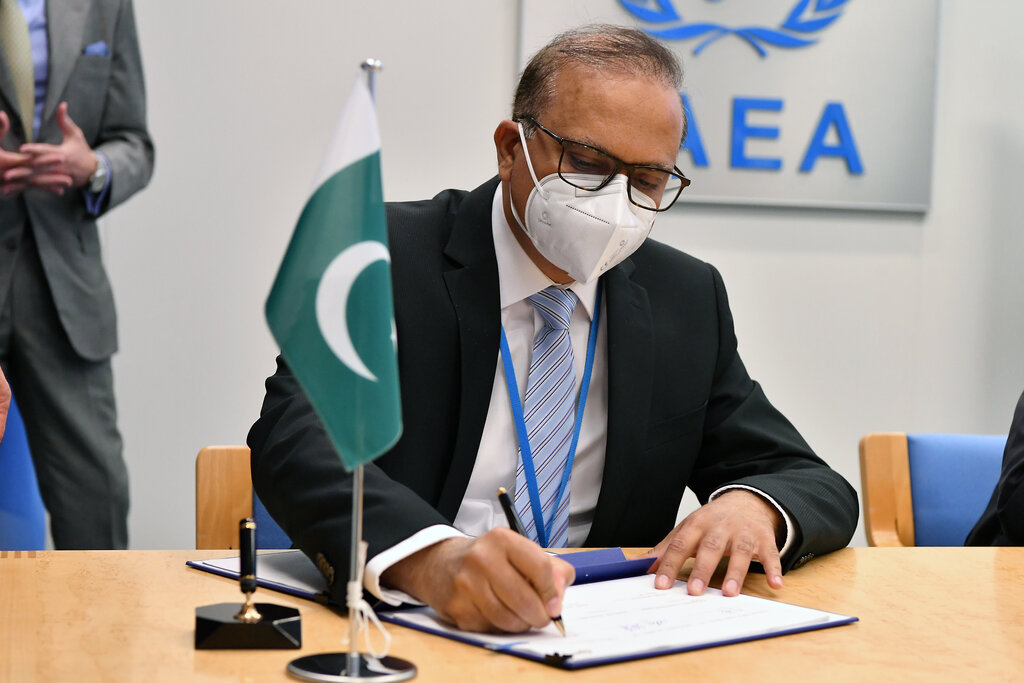
This shift from a covert program to an overt capability fundamentally altered the geopolitical landscape. It also brought Pakistan under intense global scrutiny, which we will explore in subsequent articles.
The Doctrine of Deterrence
With its nuclear status declared, Pakistan had to articulate a clear strategic rationale. The country's official policy is one of against external aggression. This doctrine is not designed for offense or nuclear war-fighting. Instead, its purpose is purely defensive: to deter any adversary from launching a large-scale conventional or nuclear attack on Pakistan.
The key word is "minimum." The policy suggests that Pakistan will only maintain the minimum number of nuclear weapons necessary to make the cost of an attack unacceptably high for any potential aggressor. This posture is intended to prevent war by ensuring that any conflict would escalate to a devastating level for all involved.
Pakistan's nuclear capability is centered on maintaining regional peace and stability by deterring aggression from any potential adversary.
This foundational understanding of Pakistan's motivations, history, and strategic doctrine is essential as we move on to examine the specific international concerns about its nuclear program.
What was the primary event that directly prompted Pakistan to accelerate its pursuit of nuclear weapons?
Which Pakistani leader famously declared that the people would "eat grass" if necessary to develop a nuclear deterrent?