Pakistan's Foreign Policy Explained
Introduction to Pakistan's Foreign Policy
Pakistan and the World
A country’s foreign policy is its strategy for interacting with other nations. It’s a set of goals and principles that guides how it handles everything from trade deals to international conflicts. For Pakistan, this strategy has been shaped by its unique history, geography, and identity since its creation in 1947.
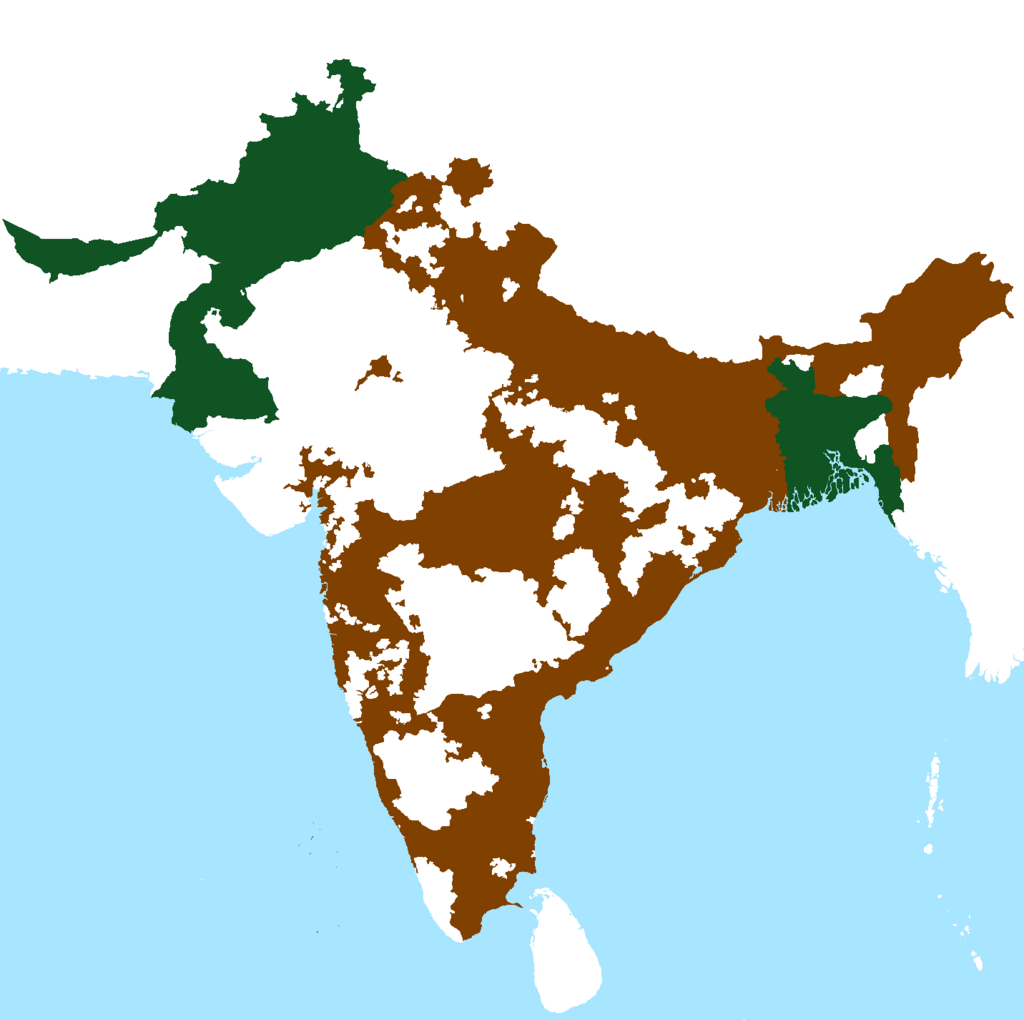
At its core, Pakistan's foreign policy is driven by a few foundational objectives. The first is protecting its national security and sovereignty. Born from the partition of British India, the new nation immediately faced security challenges, making the defense of its borders a top priority.
Another key objective is economic development. Pakistan has consistently sought foreign investment, trade partnerships, and aid to build its economy and improve the lives of its citizens. Finally, the policy aims to promote Pakistan's image as a modern, progressive Islamic state that contributes to regional and global peace.
Guiding Principles
To achieve its objectives, Pakistan's foreign policy follows several guiding principles. These act as the country's compass in international affairs.
| Principle | Meaning |
|---|---|
| Sovereignty & Territorial Integrity | Respecting its own borders and independence, and those of other nations. This is the bedrock of its policy. |
| Non-Interference | The belief that countries should not meddle in the internal affairs of others. |
| Islamic Solidarity | Fostering strong relationships with Muslim-majority countries and supporting Muslim causes globally. |
| Peaceful Coexistence | A commitment to resolving disputes through diplomacy and dialogue rather than conflict. |
These principles provide a consistent framework, but the way they are applied has changed over time in response to global events.
A Shifting Landscape
Pakistan's foreign policy has never been static. It has evolved through several distinct phases, each defined by the geopolitical realities of the era.
The Cold War Era (1947–1991): In its early years, Pakistan sought security alliances to counter perceived threats, particularly from its larger neighbor, India. It aligned with the United States by joining pacts like the Southeast Asia Treaty Organization (SEATO) and the Central Treaty Organization (CENTO). This partnership deepened during the Soviet-Afghan War in the 1980s when Pakistan became a key ally for the U.S. and its partners in supporting the Afghan mujahideen against the Soviet invasion.
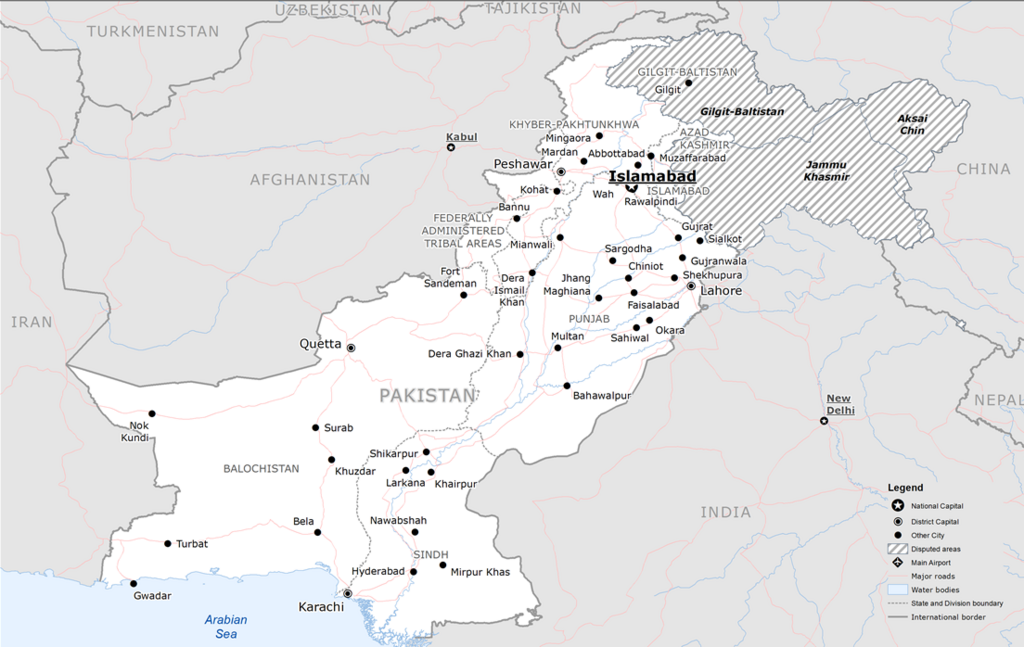
The Post-Cold War Era (1991–2001): With the collapse of the Soviet Union, the world changed, and so did Pakistan's foreign policy. The country faced sanctions over its nuclear program, which it viewed as essential for its defense. During this period, relations with the U.S. cooled, and Pakistan focused more on strengthening ties with China and the Muslim world.
The Post-9/11 Era (2001–Present): The September 11th attacks dramatically reshaped Pakistan's international relations. It once again became a major U.S. ally, this time in the global "War on Terror." This alliance brought significant aid but also immense challenges, as Pakistan faced internal conflict and complex regional dynamics. In recent years, the policy has shifted towards a more multi-faceted approach, balancing relationships with the U.S., China, Russia, and its neighbors to navigate a complex, multipolar world.
Now, let's check your understanding of these foundational ideas.
Which of the following best describes the foundational objectives of Pakistan's foreign policy since its creation?
During the Cold War, Pakistan aligned with the United States by joining which two security pacts?
Understanding these core objectives, principles, and historical shifts is the first step to grasping the complexities of Pakistan's role on the world stage.