Pakistan's Constitutional Evolution
Post-Independence Frameworks
A Nation Without a Blueprint
When Pakistan gained independence on August 14, 1947, it was a moment of triumph and immense challenge. The new nation had a flag, a leader, and a population, but it lacked a fundamental document: a constitution. Governing a country without a supreme law is like steering a ship without a rudder. There was an urgent need for a legal framework to manage the state, establish institutions, and protect citizens' rights.
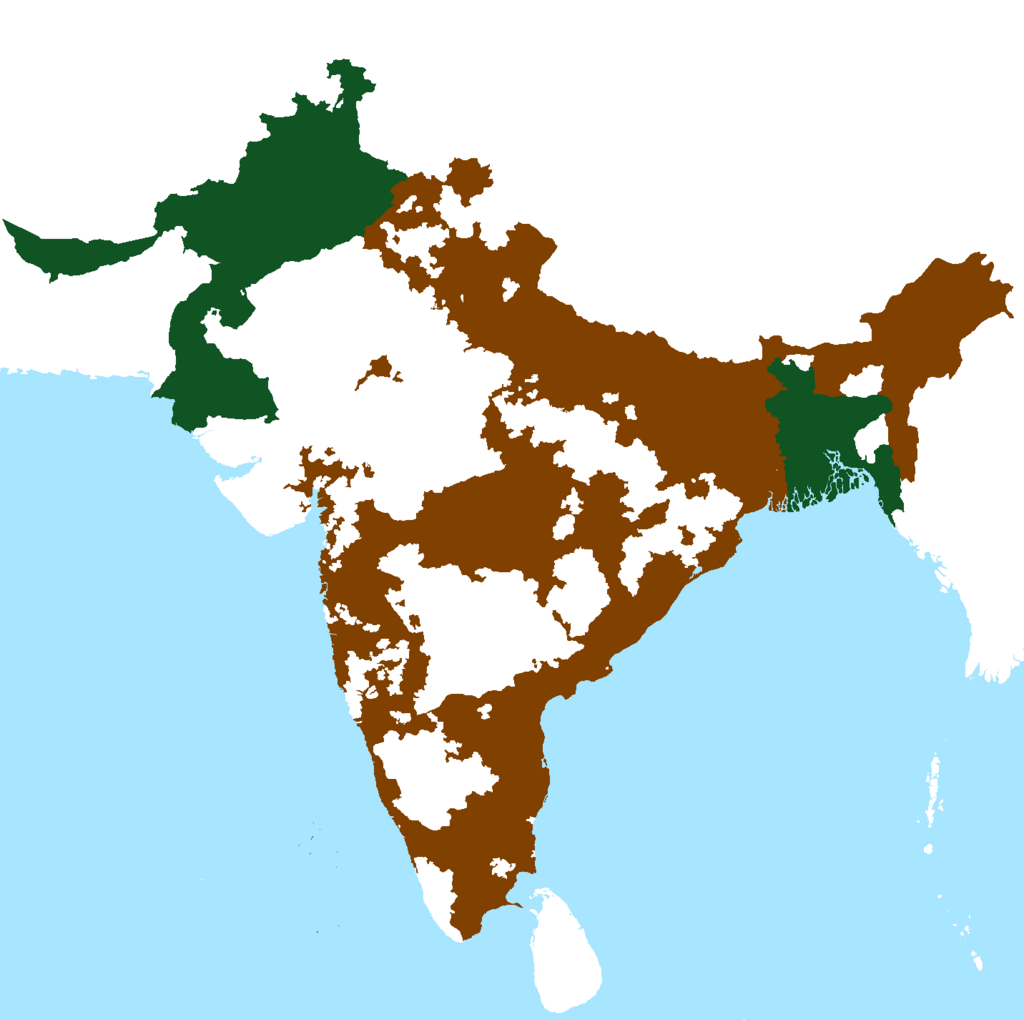
The immediate solution was a pragmatic one. The leadership adopted the as an interim constitution. This wasn't a Pakistani document; it was a relic of British rule. However, it provided a ready-made structure for a federal government and provincial autonomy. The Indian Independence Act 1947 allowed for modifications to this act, enabling Pakistan's Constituent Assembly to adapt it for the new country's needs while a permanent constitution was being drafted.
This temporary fix, however, highlighted the central task facing the nation's founders. They had to transition from a borrowed colonial framework to a constitution that reflected the aspirations of a new, independent Islamic republic. This wasn't just a legal exercise; it was a profound search for national identity.
Defining the Vision
Drafting a constitution from scratch is a monumental task. The Constituent Assembly faced deep questions. What were the core values of Pakistan? How would the state balance its Islamic identity with modern democratic principles? How would it protect its diverse population, including significant religious minorities? These weren't abstract debates; they were foundational questions that would shape the country's destiny.
The challenge was to create a document that could unite a nation and provide a clear direction for its future governance and legal system.
In response to this need, Prime Minister presented the Objectives Resolution to the Constituent Assembly in March 1949. It wasn't a full constitution, but rather a declaration of intent, a guiding star for the constitution-makers. It aimed to synthesize Islamic principles with democratic ideals, creating a unique framework for the new state. The resolution was passed on March 12, 1949, marking a pivotal moment in Pakistan's constitutional history.
The Objectives Resolution
The Objectives Resolution laid down the core principles that would underpin Pakistan's future constitutions. It addressed the fundamental nature of the state, the rights of its citizens, and the source of its authority. Its key tenets served as a preamble for the constitutions of 1956, 1962, and 1973, eventually becoming a substantive part of the constitution itself via Article 2A.
| Principle | Meaning |
|---|---|
| Sovereignty of Allah | Ultimate authority rests with God, but is delegated to the people of Pakistan to be exercised as a sacred trust. |
| Democracy | The state would be run through chosen representatives of the people. |
| Islamic Way of Life | Muslims shall be enabled to order their lives in accordance with the teachings of Islam. |
| Minority Rights | Adequate provisions to safeguard the religious, cultural, and other legitimate interests of minorities. |
| Fundamental Rights | Guarantees of freedom, equality, and social justice for all citizens. |
| Independent Judiciary | The judiciary shall be fully secured and independent from other branches of government. |
The resolution was a careful balancing act. It established that sovereignty over the entire universe belongs to Almighty alone, but it immediately delegated that authority to the state of Pakistan to be exercised by its people within the limits prescribed by Him. This clause attempted to create a blend of theocracy and democracy, a concept that would be debated for decades.
Its impact was immediate and long-lasting. The Objectives Resolution became the foundational document shaping all subsequent constitutional efforts. It set the terms of the debate, embedding the role of Islam into the state's legal and political identity while also committing to democratic governance and minority rights.
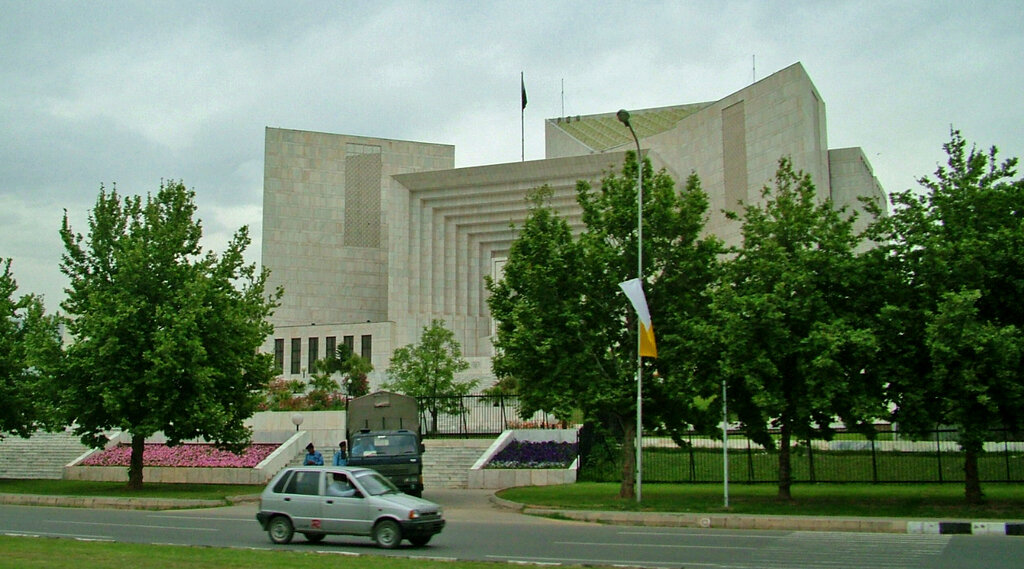
These initial years were defined by the struggle to build a state from the ground up. Adopting an interim constitution provided stability, while the Objectives Resolution provided a vision. Together, they formed the crucial first steps in Pakistan's long and complex journey of constitutional development.