Pakistan Evolution and Influence
Institutional Power Dynamics
The Hybrid State
In Pakistan, political power is not a straightforward affair. Instead of a clear line between civilian government and military authority, the country operates as a 'hybrid regime.' This model describes a system where democratic institutions like Parliament exist and function, but a powerful, unelected wields significant influence behind the scenes, particularly in matters of national security and foreign policy. This isn't just about military coups, which have marked Pakistan's history; it's about a deeper, more permanent structural role the military has carved out for itself within the state.
This arrangement creates a persistent tension. Elected governments are responsible for day-to-day governance and are accountable to voters, but their strategic autonomy is often limited. The military's deep-rooted involvement in commercial enterprises, infrastructure projects, and strategic policymaking means that it acts as both a security guarantor and a major political and economic stakeholder.

Shifting the Balance
A significant attempt to recalibrate this power dynamic came in 2010 with the passage of the to the Constitution. This was a landmark piece of legislation, born from a rare consensus among all major political parties. Its primary goal was to strengthen parliamentary democracy and decentralize power from the federal government to the provinces, effectively undoing decades of centralized, authoritarian-era changes to the constitution.
Key provisions of the amendment included removing the president's unilateral power to dissolve Parliament—a tool frequently used in the past to dismiss elected governments. More profoundly, it devolved significant legislative and financial powers to the provinces. This included giving them more control over their natural resources, education, and health sectors, transforming Pakistan from a quasi-presidential system into a more genuinely federal parliamentary republic.
By granting greater provincial autonomy, the 18th Amendment aimed to strengthen the federation by giving all provinces a greater stake in the national project.
The Courts and the Constitution
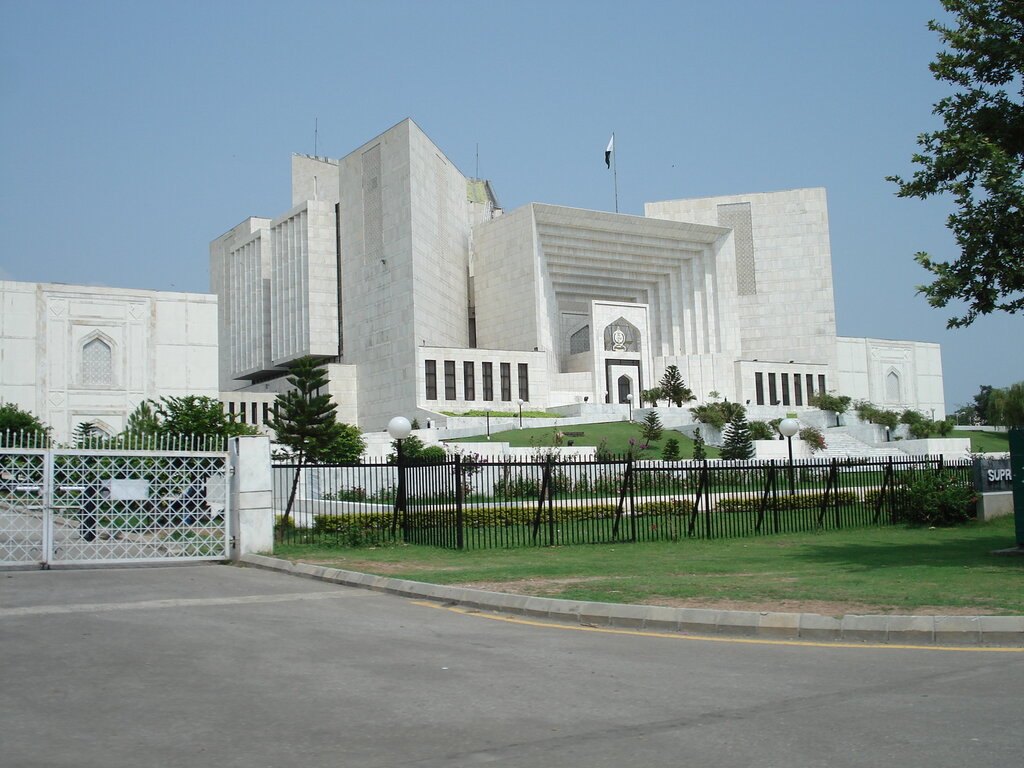
The judiciary, particularly the Supreme Court, has also become a central player in Pakistan's power struggles. The 21st century has seen the rise of an assertive judiciary, often engaging in what is known as by taking up public interest litigation and interpreting constitutional questions expansively. This has positioned the courts as a powerful check on both executive and legislative authority.
This judicial assertiveness has created a complex dynamic. On one hand, it has at times been a bulwark against executive overreach. On the other, it has led to direct confrontations with Parliament, challenging the principle of parliamentary sovereignty—the idea that the elected legislature is the supreme legal authority. The judiciary’s interpretation of the constitution has sometimes been seen as creating a parallel source of power, adding another layer to the intricate balance between the state's institutions.
The ongoing story of Pakistan's governance is one of continuous negotiation. It's a tug-of-war between the push for democratic consolidation, represented by efforts like the 18th Amendment, and the enduring influence of unelected institutions. Understanding this hybrid system, with its competing centers of power, is essential to grasping how policy is truly formed and implemented in the country.
What does the term 'hybrid regime' signify in the context of Pakistan's political system?
What was a primary objective of the 18th Amendment to Pakistan's Constitution?