Pakistan Driving Test Certification Framework
Pakistan Traffic Law Framework
The Legal Backbone of Road Safety
In Pakistan, the rules of the road are built on two core pieces of legislation. The first is the Motor Vehicles Ordinance of 1965, a provincial law that has long governed vehicle registration, driver licensing, and traffic offenses within individual provinces. Think of it as the original foundation.
More recently, the National Highway Safety Ordinance, 2000 established a federal layer of authority. This law created the National Highways & Motorway Police (NHMP) and gave them jurisdiction over the country's expanding network of motorways and national highways. This created a dual system: provincial traffic police manage city and rural roads, while the NHMP enforces a unified standard on major arteries. This distinction is crucial for understanding enforcement and compliance across different parts of the country.
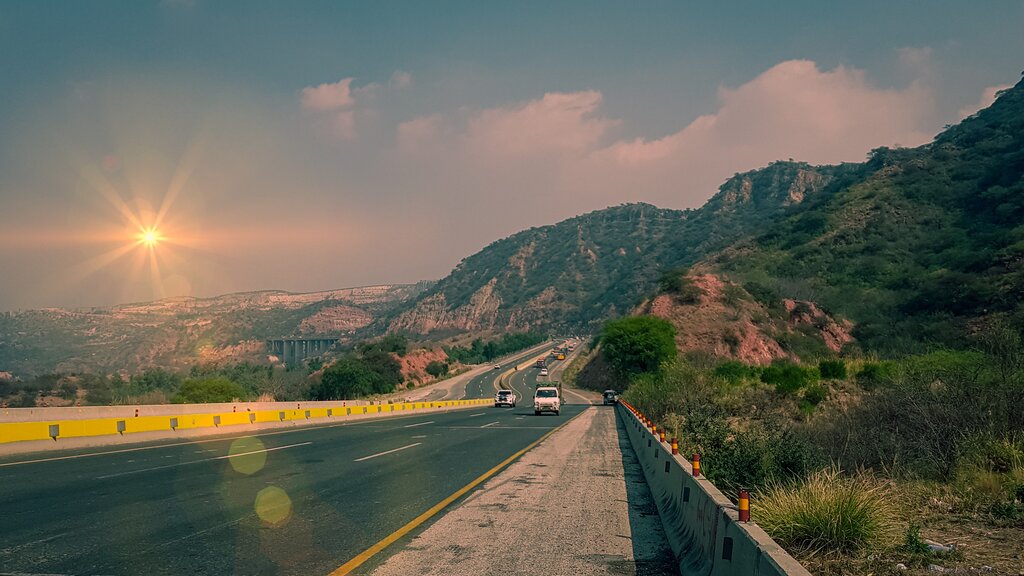
This legal framework ensures that while local rules might apply on a city street in Lahore, a single, stringent code applies the moment you enter the M2 motorway. For any certification program, instruction must cover both provincial nuances and the specific, often stricter, mandates of the NHMP.
The NHMP Highway Code
The National Highway Safety Ordinance, 2000, also gave birth to the NHMP Highway Code. This isn't just a helpful booklet; it's a legal document that outlines the expected conduct and responsibilities of all road users on national highways and motorways. It details everything from lane discipline and speed limits to procedures for accidents and breakdowns.
Compliance with the Highway Code is not optional. Violations are treated as legal offenses under the Ordinance. The code serves as the primary reference for the NHMP's enforcement activities, focusing on education and assistance alongside penalties. This approach aims to build a culture of safety rather than relying solely on punitive measures.
The NHMP operates under a principle of "firm, fair, and friendly" enforcement, using the Highway Code as its primary tool for ensuring driver compliance and safety.
Understanding Vehicle Classes
Pakistani law categorizes vehicles primarily into two major classes for licensing and regulatory purposes: Light Transport Vehicles (LTV) and Heavy Transport Vehicles (HTV). The distinction is based on vehicle weight, size, and purpose, and it dictates the type of license a driver must hold.
An LTV license generally covers cars, jeeps, small vans, and mini-buses. It's the standard license for personal and light commercial use. An HTV license is required for operating larger vehicles like buses, cargo trucks, and trailers. Obtaining an HTV license involves more stringent testing, including medical fitness and driving skill evaluations, reflecting the greater responsibility of operating heavy machinery.
| Category | Common Vehicles | Key Licensing Requirement |
|---|---|---|
| LTV (Light Transport Vehicle) | Cars, Jeeps, Light Pickups, Vans | Standard driver's license, minimum age 18. |
| HTV (Heavy Transport Vehicle) | Buses, Trucks, Trailers, Oil Tankers | Separate, advanced license; requires prior LTV license experience. |
For administrators of a certification program, it is essential to ensure that training modules and assessments are tailored to the specific vehicle class. An LTV driver needs to master defensive driving in traffic, while an HTV driver requires specialized training in vehicle dynamics, braking distances, and managing large loads.
Reading the Roads Legally
Traffic signs in Pakistan are standardized to ensure clarity and immediate recognition. They generally follow international conventions, particularly the Vienna Convention on Road Signs and Signals, but have local adaptations. These signs are legally enforceable and are divided into three main categories.
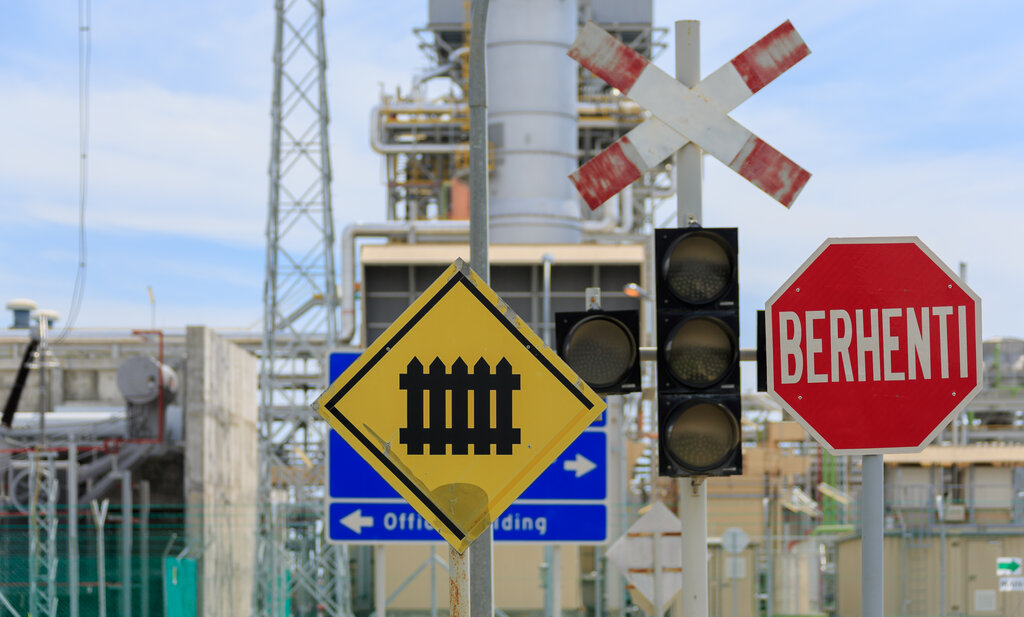
Mandatory Signs: These are typically circular with a red border and tell you what you must do. Examples include Stop, Give Way, and speed limit signs. Ignoring them is a direct violation of the law.
Cautionary Signs: Usually triangular with a red border, these signs warn of potential hazards ahead, such as a sharp curve, a narrow bridge, or a school crossing. They require drivers to exercise extra caution.
Informative Signs: These are generally rectangular and provide information about routes, destinations, and facilities. Highway signs indicating the distance to the next city or the location of a service area fall into this category.
Understanding the legal weight of each sign type is critical. While an informative sign provides guidance, a mandatory sign issues a command. All certification must test a driver's ability to not only recognize these signs but also to understand their legal implications.
Which two pieces of legislation form the primary legal framework for road traffic rules in Pakistan?
Under Pakistani law, a standard driver's license for a personal car or jeep falls under which category?
This framework provides the legal basis for all driving regulations in Pakistan. By understanding the roles of the key ordinances, vehicle classifications, and the legal status of road signs, you can ensure full compliance with national standards.