Pakistan Democracy in Pashto
Introduction to Democracy
Power to the People
At its heart, democracy is a simple idea: the people hold the power. The word itself comes from two ancient Greek words: demos, meaning “people,” and kratos, meaning “rule.” It’s a system where citizens have a say in how they are governed, instead of being ruled by a king, a dictator, or a small group of elites.
democracy
noun
A system of government by the whole population or all the eligible members of a state, typically through elected representatives.
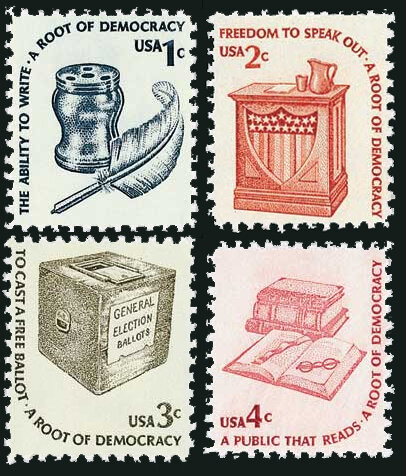
For this system to work, a few key principles are essential. First is popular sovereignty, the idea that the government's authority comes from the consent of the governed. Then there's political equality, where every citizen has an equal voice, often expressed through the principle of “one person, one vote.” Finally, individual rights and freedoms, such as freedom of speech and assembly, are protected so people can express their opinions and participate in public life without fear.
A Quick Trip Through Time
The idea of democracy isn't new. Its earliest known form emerged in ancient Athens around the 5th century BCE. Athenian citizens could gather to speak and vote directly on laws and government actions. While it was a groundbreaking concept, Athenian democracy was limited; only a small fraction of the population—free adult men—could participate.
The roots of Western political systems can be traced back to the democratic ideals of ancient Greece, where early forms of democracy were practiced, setting a precedent for future generations.
For centuries, democratic ideals were mostly dormant, overshadowed by monarchies and empires. They began to re-emerge in Europe with milestones like the Magna Carta in 1215, which limited the power of the English king. The Enlightenment in the 17th and 18th centuries truly revived democratic thought, with philosophers like John Locke arguing that governments should protect the natural rights of citizens.
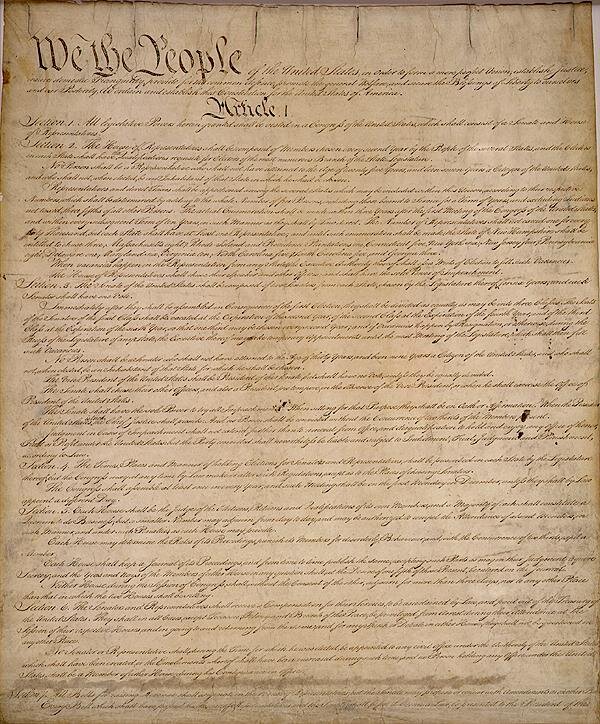
This philosophical shift fueled the American and French Revolutions in the late 1700s. These events established new republics based on written constitutions and the principle that government derives its power from the people.
How Democracy Works
Democracy isn't a one-size-fits-all system. It comes in different forms, mainly distinguished by how citizens participate.
Direct Democracy: In this form, citizens vote on laws and policies themselves, without representatives. This was the system used in ancient Athens. While it offers the purest form of popular rule, it's impractical for large, modern nations. Imagine millions of people trying to vote on every single law!
Representative Democracy: This is the most common form today. Citizens elect officials to represent them in government. These representatives then make laws and decisions on behalf of the people. This system makes governance more efficient for large populations. Most modern democracies, like the United States, India, and the United Kingdom, are representative democracies.
| Feature | Direct Democracy | Representative Democracy |
|---|---|---|
| Decision Making | Citizens vote directly on laws | Elected officials make laws |
| Best For | Small communities, simple issues | Large, complex societies |
| Example | Ancient Athens, some town meetings | Most modern countries |
Other variations exist, too. A constitutional democracy has a constitution that limits the government's power and protects citizens' rights, ensuring the majority cannot trample the rights of minorities. A liberal democracy emphasizes these individual rights and freedoms above all else.
Why It Matters Today
Democracy is more than just voting. It's a framework for a society that values freedom, equality, and human dignity. It allows for peaceful transfers of power, holds leaders accountable for their actions, and gives citizens a voice in shaping their future.
In a democratic system, you have the right to speak your mind, protest peacefully, and access information. It creates a space for public debate, where different ideas can compete and the best solutions can emerge. This system encourages civic participation and ensures that the government remains responsive to the will of the people it serves.
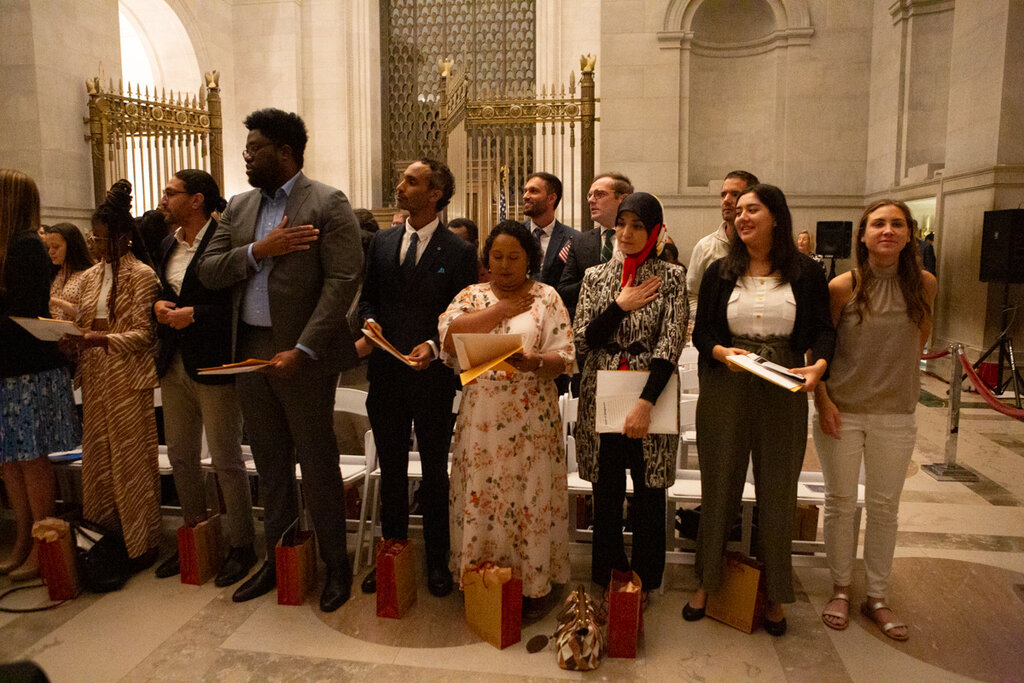
While no system is perfect, democracy provides the tools for citizens to bring about change and strive for a more just and fair society.
Time to check your understanding of these core concepts.
The word "democracy" is derived from two ancient Greek words. What do these words, demos and kratos, mean?
In a representative democracy, how do citizens primarily exercise their power?
You've now covered the fundamentals of what democracy is, where it came from, and why it's a vital form of governance around the world.